
Definition: Sales forecasting is the process of estimating future sales revenue over a defined period using historical data, pipeline insights, market trends, and rep performance. Accurate forecasts enable businesses to plan resources, set realistic targets, and manage growth strategically.
It helps align marketing and operations with expected revenue, making it a cornerstone of business planning.
Use It In a Sentence: Our quarterly sales forecasting model helped the leadership team anticipate shortfalls early and adjust our strategy.
Key Components of Sales Forecasting
- Historical Sales Data: Past performance used to project future outcomes.
- Pipeline Analysis: Evaluate current opportunities and their likelihood to close.
- Sales Rep Performance: Incorporate activity rates, win rates, and quotas.
- Market Conditions: Adjust for seasonal trends, economic changes, and competitor activity.
- Forecasting Tools: CRM dashboards, AI-driven projections, and spreadsheet models.

Why Sales Forecasting Matters
- Informs Strategic Planning: Enables budgeting, hiring, and inventory decisions.
- Improves Goal Setting: Creates realistic targets for teams and departments.
- Enhances Stakeholder Confidence: Provides transparency to investors and leadership.
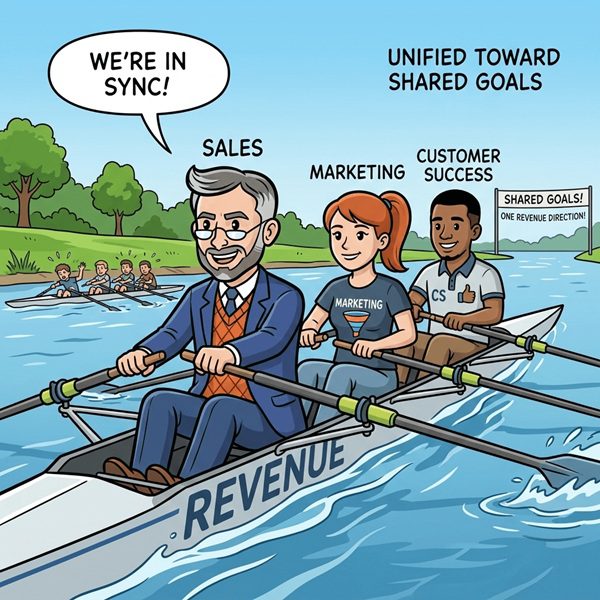
- Aligns Teams: Ensures sales, marketing, and finance work toward shared expectations.
- Boosts Revenue Predictability: Reduces uncertainty in cash flow and growth.
How to Build a Reliable Sales Forecast
- Choose Your Forecasting Model: Top-down, bottom-up, or historical trend-based.
- Gather Key Data Points: Collect CRM, rep activity, pipeline, and revenue metrics.
- Weight Opportunities by Likelihood: Use lead scoring or stage conversion rates.
- Adjust for External Factors: Consider seasonality, pricing changes, and market shifts.
- Review & Refine Regularly: Forecasts should be dynamic and updated frequently.
Get Forecasting Confidence with Our Funnel Training
Our Sales Funnel course helps you design forecasting models that fit your funnel structure, empowering data-driven decisions and sustainable growth.
More Definitions
- Sales Metrics: Trackable data points that evaluate sales performance.
- Sales Dashboard: Visual reporting tools that monitor pipeline, goals, and trends.
- Revenue Attribution Modeling: Tracks which activities contributed to revenue.
- Lead Scoring: Ranks leads by likelihood to convert, improving forecast accuracy.
- Marketing Attribution Modeling: A framework for determining which marketing touchpoints contribute most to conversions and assigning them appropriate credit.
Useful Blogs
- CRM Data Tracking for Your Sales Funnel: Build a data foundation for reliable forecasting.
- Learn How Weighted Funnels Can Help Your Business: Apply value-based forecasting to each lead.
- Defining Your Bank Marketing Strategy: Tie forecasting to sector-specific demand planning.
- What Sales Funnel Professor Is All About: Understand how alignment improves forecast accuracy.
- B2B Sales Funnel Strategies & Examples: Forecast long sales cycles with precision.