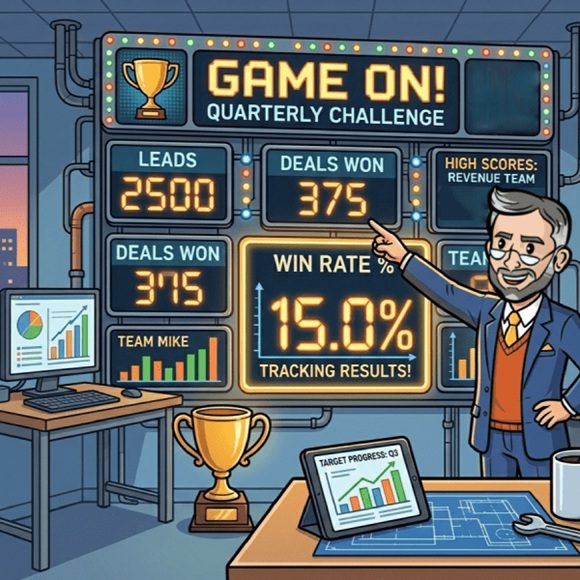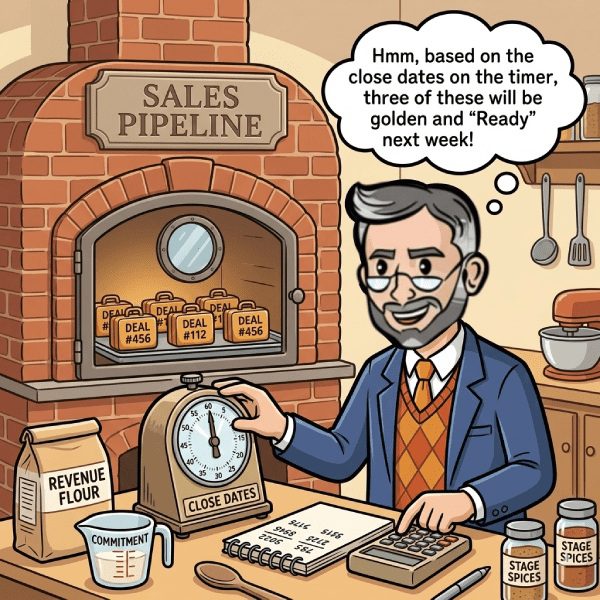

Definition: Sales alignment is the strategic coordination between a company’s sales, marketing, and customer success teams to achieve shared goals, improve communication, and streamline the customer journey. When aligned, these departments collaborate on messaging, lead qualification, conversion strategy, and customer retention.
Sales alignment fosters transparency, boosts productivity, and ensures that all revenue-generating teams are working toward the same outcomes.
Use It In a Sentence: By implementing a sales alignment framework, we increased lead-to-close rates by 32% and shortened our sales cycle.
Key Components of Sales Alignment
- Shared Goals and KPIs: Agree on success metrics across departments.
- Integrated Tech Stack: Ensure tools like CRM, marketing automation, and reporting platforms are synced.
- Consistent Messaging: Align content, language, and tone throughout the funnel.
- Feedback Loops: Create channels for reps to share insights with marketing and product teams.
- Joint Planning and Strategy: Sales and marketing collaborate on campaign design and execution.
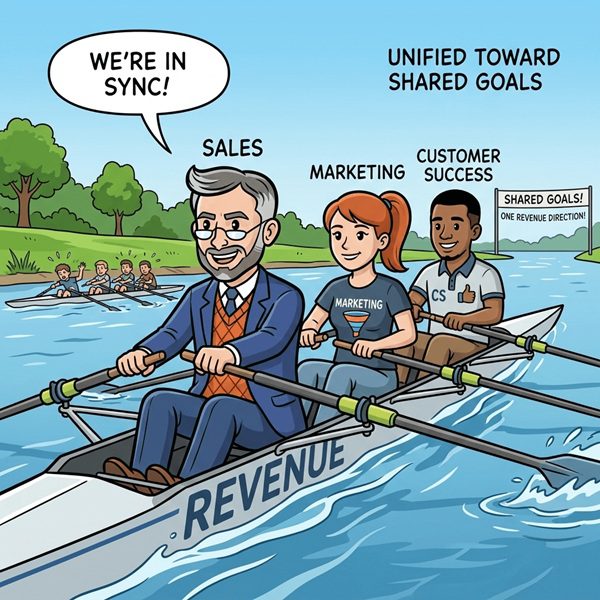
Why Sales Alignment Matters
- Boosts Lead Quality: Marketing delivers leads that match sales criteria.
- Increases Conversion Rates: Aligned messaging and targeting improve engagement.
- Improves Forecasting Accuracy: Sales and marketing use unified data to project revenue.
- Enhances Customer Experience: Creates a seamless transition from awareness to onboarding.
- Drives Sustainable Growth: Teams work as one unit instead of in silos.
How to Achieve Sales Alignment
- Define a Common Revenue Language: Agree on what constitutes an MQL, SQL, opportunity, and deal stage.
- Establish SLAs (Service Level Agreements): Outline expectations for lead handoff and follow-up.
- Unify Your Data: Build dashboards that provide real-time visibility into pipeline performance.
- Collaborate on Content: Create case studies, sales decks, and emails together.
- Hold Regular Syncs: Encourage weekly or bi-weekly alignment meetings between sales and marketing leaders.
Build Alignment with Our Funnel Training
Our Sales Funnel course shows you how to align your sales, marketing, and success teams to increase pipeline velocity, improve handoffs, and grow revenue as one unified team.
More Definitions
- Sales Enablement: The tools and content that empower reps to close more deals.
- Lead Qualification Framework: A process that ensures only high-potential leads reach sales.
- Revenue Attribution Modeling: Tracks how marketing and sales jointly contribute to revenue.
- Sales Process Mapping: A shared blueprint of the sales journey from prospect to close.
- Fractional SDR: A part-time sales rep who helps find and qualify leads without the need for a full-time hire.
Useful Blogs
- Sales alignmentWhat Is a Funnel Builder?: Explore tools that bridge gaps between sales and marketing teams.
- What Sales Funnel Professor Is All About with Eddie Davis: Understand the vision behind cross-functional alignment.
- B2B Sales Funnel Strategies & Examples: Apply sales alignment principles in a B2B environment.