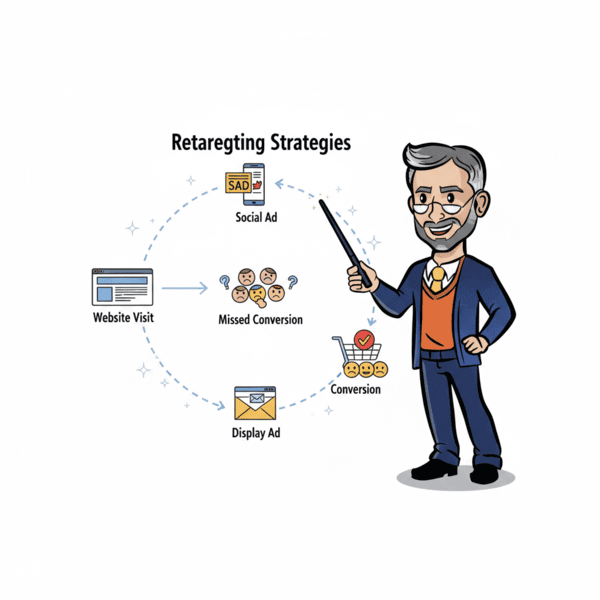

What is Reverse Marketing?
Definition: Reverse marketing is a strategy where customers seek out a company rather than the company actively pursuing customers. Instead of advertising directly, businesses strive to create value-driven content, build strong brand reputations, and build customer trust, encouraging potential customers to initiate contact. Examples include organic SEO strategies, and inbound marketing efforts.
Example in a Sentence: By using reverse marketing strategies such as high-value content and social proof, the brand attracted customers without running vigorous ad campaigns.
Why is it Important?
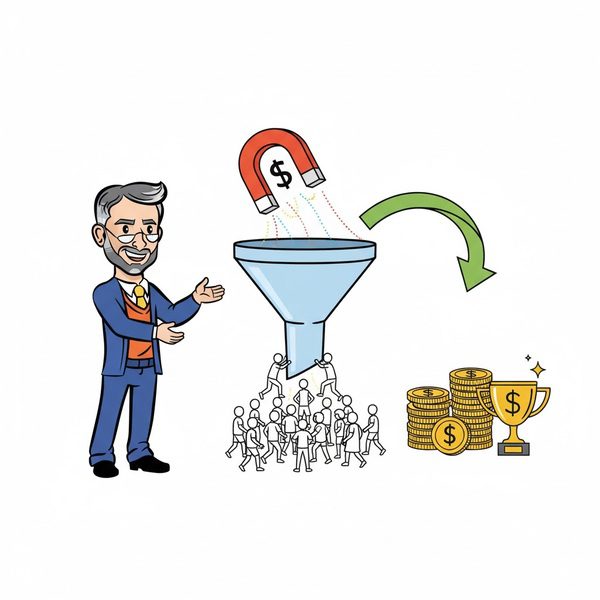
1. Builds Customer Trust
Instead of pushing sales, reverse marketing focuses on providing value, which naturally builds trust and credibility over time. (learn more about endorsement marketing)
2. Encourages Organic Engagement
Customers engage with brands on their own terms, leading to higher-quality leads and better conversion rates. This type of approach is the opposite of “meh” marketing, which uses minimal effort.
3. Reduces Marketing Costs
By using content marketing and word-of-mouth referrals, businesses can lower their reliance on expensive paid advertising.
Shift the Power to Your Customers
Effective marketing flips the traditional sales approach (read about rb2b) by letting customers come to you. Offering valuable content, building trust, and positioning your brand as an authority, will attract long-term, loyal customers without constantly chasing them. It’s like being a strategic marketing partner for customers and clients. This can also help with understanding the quota definition and hitting quota goals.
More Definitions: Sales Conversion Metrics Definition, Conversion Rate Optimization (CRO), Call to Action Definition, Funnel Builder, Done for you Sales Funnel, GHL (GoHighLevel), SaaS Fractional CMO, SEO PPC Tools, Fractional CRO, Fractional SEO Expert
Useful Posts: Key Insights and Essential CRM Data Tracking Strategies, What Does a CRO Expert Do?, and What’s Unique About B2B Conversion Rate Optimization?