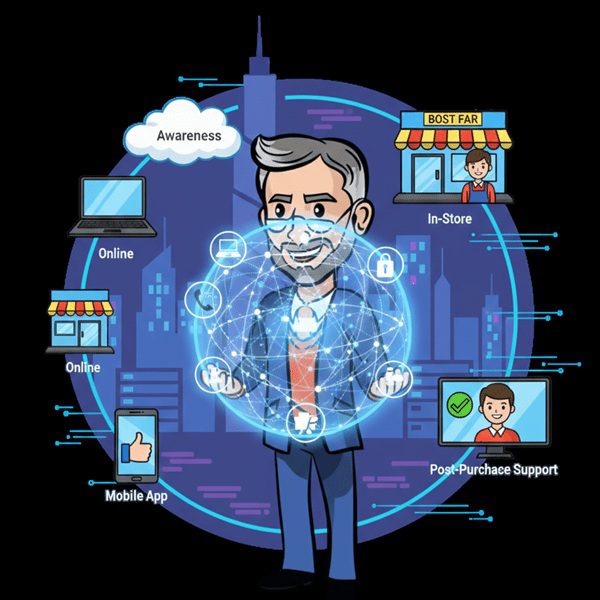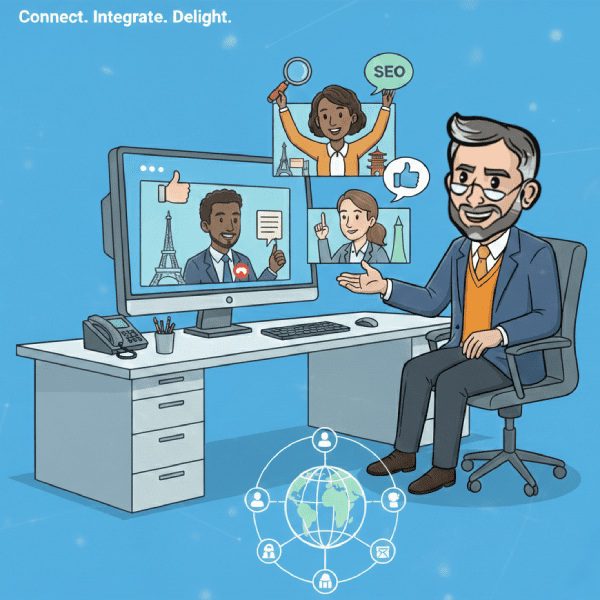

Definition: An omnichannel strategy is a marketing and sales approach that delivers a seamless customer experience across every touchpoint—online and offline. Instead of treating each channel separately (like social media, email, website, or in-store), an omnichannel strategy integrates them so customers can move smoothly from one to another without disruption. The goal is to create consistency, personalisation, and convenience no matter where or how a customer interacts with your brand.
Use it in a Sentence: The retailer adopted an omnichannel strategy so customers could browse online, pick up in-store, and receive personalised follow-up emails—all without missing a beat.
Why an Omnichannel Strategy is Important
1. Creates a Seamless Experience
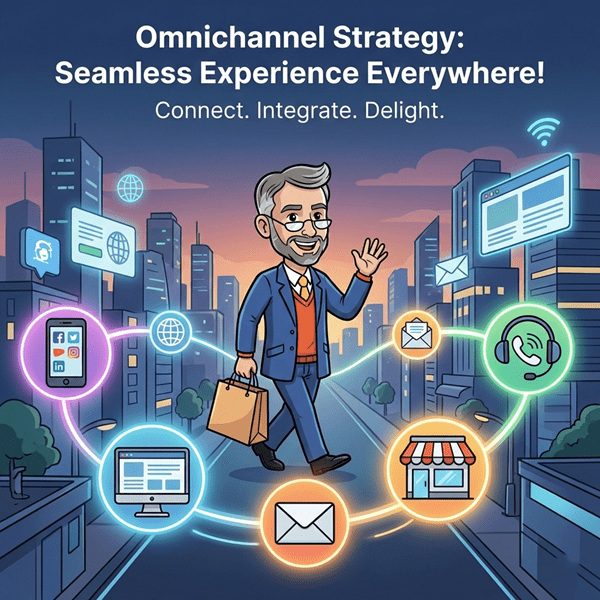
Customers expect convenience. An omnichannel strategy ensures their journey—from browsing on Instagram to checking out in-store—feels connected and consistent.
2. Boosts Engagement and Loyalty
When your brand is available wherever your customers are, and their preferences carry across channels, they’re more likely to stay engaged and keep coming back.
3. Improves Data-Driven Decisions
Omnichannel marketing pulls insights from every touchpoint, giving you a complete view of customer behaviour. This makes it easier to personalise offers and optimise campaigns.
4. Drives Revenue Growth
Studies show that customers who engage with brands across multiple channels spend more. An omnichannel strategy captures this added value by making every interaction count.
One Brand, Every Channel
An omnichannel strategy unites all your marketing and sales efforts into one cohesive customer journey. By breaking down silos, you can deliver a better experience, build stronger relationships, and increase long-term revenue.
More Definitions
- Ad Fatigue: When audiences lose interest after seeing the same ad too often.
- Behavioral Insights: Understanding customer actions and patterns to guide marketing decisions.
- B2C Marketing: Business-to-consumer marketing focused on selling directly to individuals.
- Big Data: Extremely large datasets analysed to reveal trends, patterns, and behaviours.
- Brand Consistency: Maintaining a uniform message and look across all marketing channels.
Useful Posts
Sales Funnel Show Stoppers: How to Identify & Remove Them: A guide to spotting obstacles that block prospects from converting and strategies to eliminate them for smoother sales growth.