
Definition: Edge computing is a distributed computing model where data is processed closer to the source of generation—such as sensors, devices, or local servers—instead of relying solely on centralized cloud data centers. This proximity reduces latency, conserves bandwidth, and enables real-time processing for applications that require immediate responses.
By bringing computation to the “edge” of the network, edge computing empowers faster decisions, enhanced user experiences, and support for emerging technologies like IoT and autonomous systems.
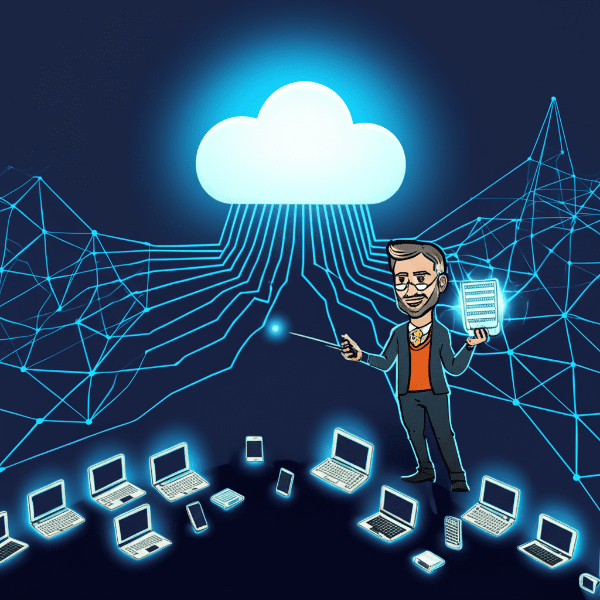
Use It In a Sentence: The factory upgraded to an edge computing model to enable real-time machine monitoring without depending on remote cloud servers.
Why Edge Computing Matters
Edge computing is reshaping how data is collected, processed, and acted on—especially as connected devices and real-time applications multiply across industries.
Key benefits include:
- Reduced latency – Process data near the source for real-time performance
- Improved bandwidth efficiency – Avoid sending large volumes of data to the cloud
- Enhanced data privacy – Keep sensitive data local, reducing exposure
- Supports smart automation – Enables rapid decision-making in critical systems
- Reliable offline processing – Keeps applications functional during connectivity issues
Edge Computing vs. Cloud Computing
| Factor | Edge Computing | Cloud Computing |
|---|---|---|
| Location of Processing | Near the data source (devices, local nodes) | Centralized data centers |
| Latency | Ultra-low latency | Higher latency due to roundtrip data flow |
| Connectivity Dependence | Can operate independently | Requires consistent internet connection |
| Best For | Real-time apps, IoT, AR/VR, autonomous systems | Scalable storage, big data processing, SaaS |
In many cases, edge and cloud work together—with edge handling real-time processing and cloud storing or analyzing data long-term.
Where Edge Computing Is Used
| Industry | Use Case |
|---|---|
| Manufacturing | Real-time machine analytics, predictive maintenance |
| Healthcare | Wearable devices, smart diagnostics, local data storage |
| Retail | Smart checkout, in-store sensors, foot traffic analysis |
| Telecommunications | 5G infrastructure, network slicing |
| Transportation | Autonomous vehicles, traffic systems, fleet management |
| Energy & Utilities | Remote monitoring of pipelines, grids, and turbines |
Components of an Edge Computing System
- Edge Devices – Sensors, cameras, routers, wearables
- Edge Nodes/Gateways – Mini data centers or local servers
- IoT Platforms – Manage device communication and orchestration
- Analytics Engines – Process and act on data in real time
- Cloud Integration – For deeper analytics, reporting, or storage
Challenges and Considerations
While edge computing offers major advantages, it also comes with challenges:
- Infrastructure complexity – Requires distributed hardware management
- Security risks – More devices = more potential vulnerabilities
- Data consistency – Syncing with cloud systems needs smart orchestration
- Initial setup cost – Hardware and configuration investment upfront
- Monitoring and maintenance – Needs localized oversight at multiple points
Edge Computing and the Future of Digital Transformation
Edge computing plays a foundational role in powering:
- IoT ecosystems
- Smart cities
- Augmented/Virtual reality
- Industrial automation (Industry 4.0)
- AI at the edge (e.g., real-time facial recognition, predictive alerts)
As more devices generate more data, edge computing ensures businesses can act faster—with less dependence on centralized infrastructure.
Final Thoughts: Power at the Edge
Edge computing isn’t replacing the cloud—it’s complementing it. For businesses and industries that demand speed, scale, and local intelligence, edge computing unlocks new possibilities for innovation and performance.
If your applications can’t afford to wait for the cloud, the edge is where your next competitive advantage lives.
More Definitions & Related Blogs
Explore more strategy, pricing, and tech infrastructure insights from the Sales Funnel Professor: