
What is Risk Management in Marketing?
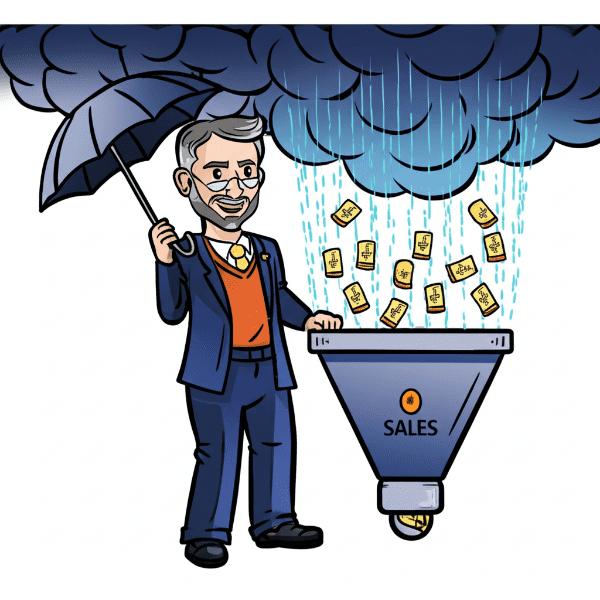
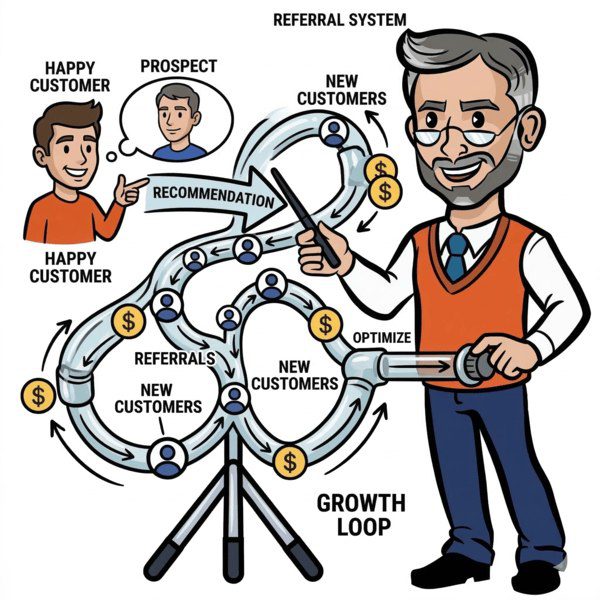
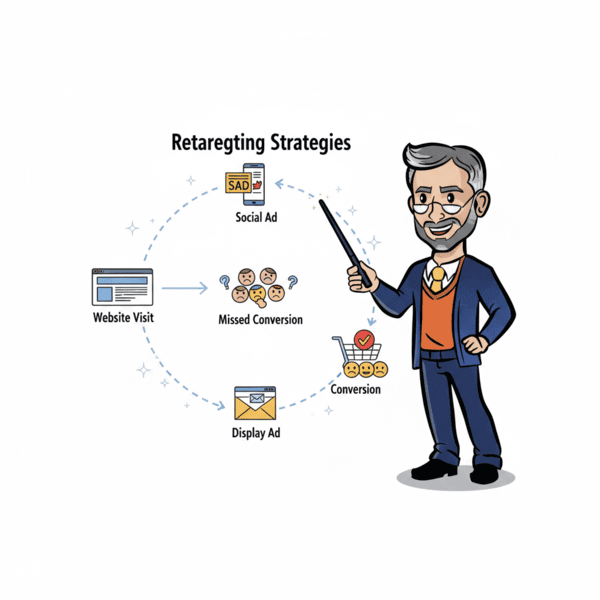
Definition: Risk management in marketing is the process of identifying, assessing, and lessening potential risks that could impact a company’s marketing efforts. These risks can include financial losses, reputational damage, compliance issues, and unproductive campaigns. By integrating strategic risk management, businesses can reduce uncertainties and improve the productivity of their marketing proposals.
Risk management is an important part of equipment marketing, helping manufacturers and dealers reduce potential losses from ineffective campaigns, market shifts, and poorly targeted outreach. A strategic equipment marketing approach supported by data analysis and performance tracking can improve campaign effectiveness while protecting brand reputation and marketing investments. Read about RB2B for more information.

Example in a Sentence: By conducting thorough market research and regularly reviewing campaign performance, the marketing team effectively used risk management and avoided costly mistakes. This approach is useful in store marketing and social media marketing.
Why is Managing Risks in Marketing Important?
1. Prevents Financial Losses
Campaigns that are poorly planned (learn more about meh marketing) can lead to budget wastage and low returns. Risk management help businesses distribute resources wisely to boost profits.
2. Protects Brand Reputation
A marketing oversight can damage a company’s image. Risk management enables messaging to align with audience expectations and brand values.
3. Ensures Compliance
Marketing regulations vary across industries. Managing risks helps businesses stay compliant with current laws, thus avoiding legal issues and penalties.
4. Improves Campaign Effectiveness
Identifying potential risks before launching a campaign allows marketers to fine-tune strategies for better engagement and higher conversion rates. Learning more about SEO PPC tools can help.
Achieve Safer and Smarter Marketing Success
By proactively identifying and addressing potential threats, businesses can protect their brand, and optimize campaigns. A well-prepared marketing team minimizes uncertainty and maximizes opportunities. Learn more about being and having a strategic marketing partner.
More Definitions: Direct Marketing Strategy Definition, Dynamic Segmentation Definition, Sales Conversion Metrics Definition, Net Revenue Retention (NRR) Definition, Funnel Builder, Done for you Sales Funnel, Prospect Definition, Saas Fractional CMO, b2b conversion rate optimization, fractional CRO, CRO expert, Fractional SEO Expert
Useful Posts: Cross Branding Kills CRO: What You Should Know and B2B Marketing Funnels: What to Do at Every Funnel Stage