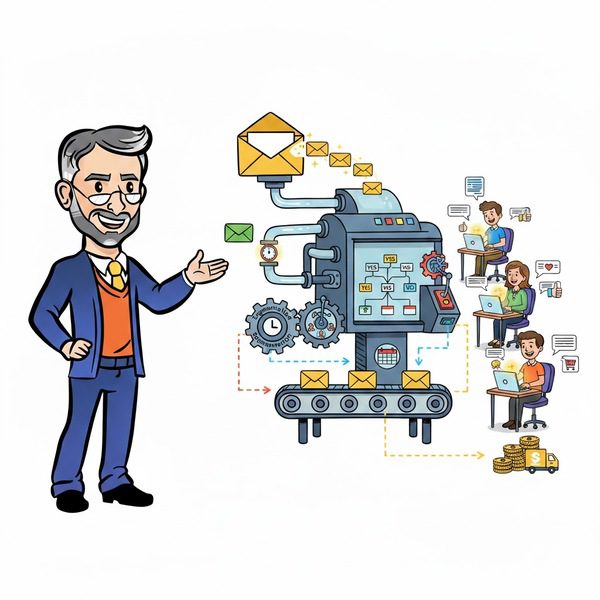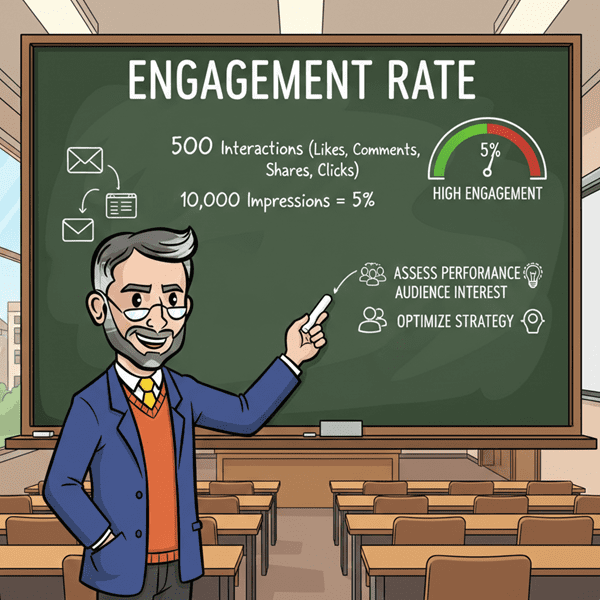

Definition: An engagement strategy outlines how a brand interacts with its audience to build meaningful, ongoing relationships. This involves two-way communication through channels like social media, events, email, and content—designed to foster loyalty, trust, and brand advocacy.
Use It In a Sentence: We’ve built a multi-channel engagement strategy—using webinars, interactive content, and community forums—to increase user retention and on-brand conversations.
Key Components of an Effective Engagement Strategy
- Target Audience Understanding
Define your ideal customer profiles and build messaging that resonates with their needs and behaviors. - Channel Strategy
Activate across the right platforms—email, social, forums, in-person/virtual events—where your audience already engages. - Interactive Content
Use polls, live Q&A, webinars, contests, and user-generated campaigns to spark two-way communications. - Personalization & Responsiveness
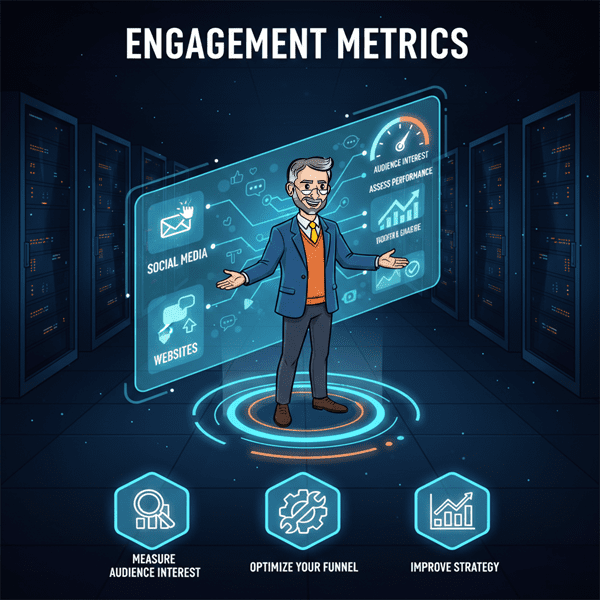
Tailor communications based on user behavior and respond promptly to comments, questions, and feedback. - Measure Engagement Signals
Track metrics like comment volume, shares, event attendance, and email replies to quantify impact and adapt.
Why Engagement Strategy Matters
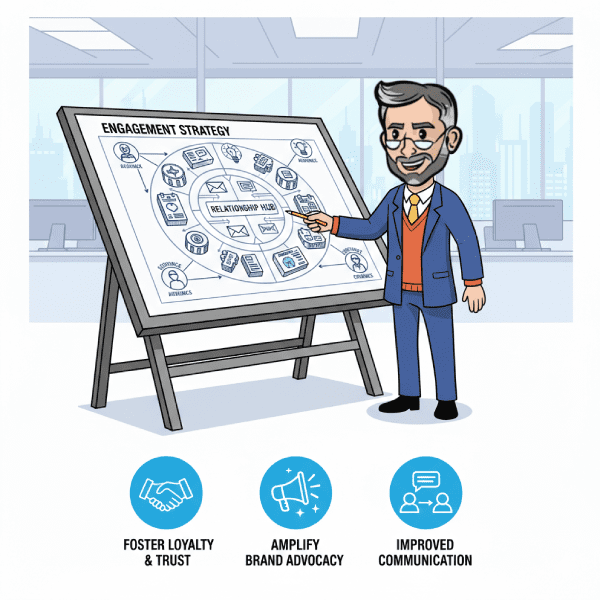
- Fosters Loyalty & Trust
Customers feel more connected and are more likely to return. - Increases Brand Visibility
Engagement helps your brand reach wider audiences. - Drives Conversions Indirectly
Engaged users are more likely to convert over time.
Implementation Steps for Your Engagement Strategy
- Map Customer Touchpoints
Determine key interaction points across awareness, consideration, and post-purchase phases. - Design Activities to Spark Interaction
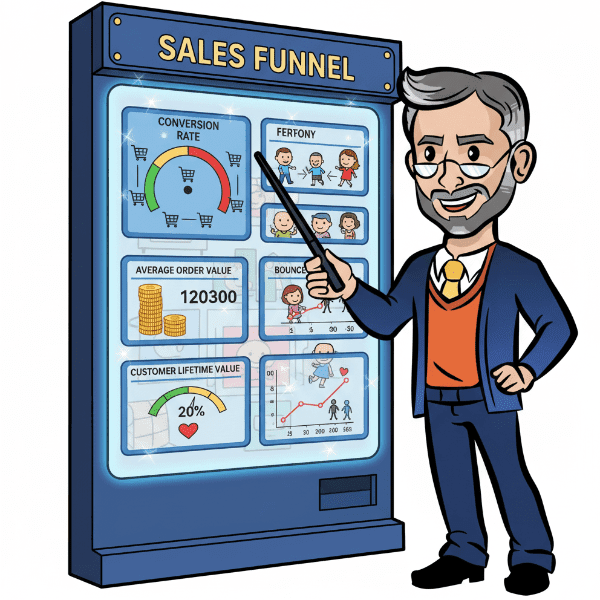
Plan polls, live chats, feedback sessions, or community challenges relevant to each stage. - Set Engagement Metrics
Track frequency, reach, user comments, and sentiment shifts. - Use Tools for Tracking & Analysis
Track discussions via analytics tools, social listening, and CRM auto-triggers. - Iterate & Improve
Adjust frequency, formats, and tone based on results and audience feedback.
More Definitions
- Engagement Marketing: Creating setups that drive meaningful, ongoing interactions.
- Client Engagement: Building strong relationships through tailored experiences.
- Web Engagement Funnel: Designing online touchpoints that guide and engage visitors.
- Engagement Velocity: Tracking how fast a user interacts with your brand.
- Social Media Engagement Rate: Measures likes, comments, shares on social platforms.
- Claude – An ethical, context-rich AI built for smarter writing and productivity.
Useful Blogs
- Understanding B2B Sales Funnels: Definitions & Examples – Includes insights on integrating engagement across stages.
- Funnel Metrics Best Practices – How to measure engagement as a funnel condition.
- Social Media Engagement Rate Definition – Context for engagement measurement.
- CRM Data Tracking for Your Sales Funnel – Guides capturing engagement signals in CRM.
- What Sales Funnel Professor Is All About with Eddie Davis – Describes engagement as a core part of their mission.