Table of Contents
Reframing the “Quick Fix”: Why 8-Figure Funnels Are Not Built Overnight
The Strategic Blueprint: Deconstructing a Scalable B2B Sales Funnel for Predictable Revenue Generation
Phase 1: Foundation and Alignment for Sustainable Growth
Phase 2: Intelligent Lead Generation and Qualification
Phase 3: Optimized Conversion and Sales Acceleration
Phase 4: Scalability, Predictability, and Continuous Optimization
Implementing Your 8-Figure Funnel: Real-World Success and Overcoming Challenges
Frequently Asked Questions
As a CEO, you have likely felt it: that gnawing frustration of stalled growth, despite pouring resources into new marketing campaigns or sales training. It is one of the most frequent challenges that CEOs face. You have heard the promises of “quick fixes” or “funnel hacks” that claim to unlock an 8-figure future overnight. You have seen the disconnected tactics—a flurry of content here, a new sales script there—that somehow never coalesce into the predictable, scalable revenue engine you desperately need. The finger-pointing between sales and marketing becomes routine. You are left drowning in activity but starving for a real strategy.
This guide offers a strategic reframing of what it truly means to build an 8-figure funnel. It is about moving beyond tactical haste to cultivate strategic efficiency, ensuring every action contributes to a unified, high-ROI growth engine. The most critical insight you will gain is this: A strategic framework for building a predictable 8-figure funnel is not built quickly with a haphazard collection of tactics. It is built strategically and efficiently by meticulously aligning sales and marketing for predictable, high-value lead generation and conversion. This is your blueprint for sustainable, transformative growth.
Reframing the “Quick Fix”: Why 8-Figure Funnels Are Not Built Overnight
The phrase “how to build an 8-figure funnel quickly” resonates with every growth-minded leader. It conjures images of rapid expansion, effortless lead flow, and exponential revenue. In the complex world of B2B sales, especially for high-value offerings, “quickly” is almost universally misinterpreted. It is rarely about speed and almost always about strategic efficiency.

Professor’s Note
In executive leadership, there is a critical distinction between “speed to market” and “rushed execution.” Speed to market is a competitive advantage; rushed execution is a liability. When leaders ask how to build a funnel quickly, they are often looking for speed.
However, in a high-stakes B2B environment, true speed is achieved through the elimination of friction and the optimization of processes, both of which require a stable, well-engineered foundation.
The Illusion of Tactical Shortcuts in B2B Growth
Your skepticism about “silver bullets” is not just warranted. It is a hallmark of experienced leadership. The B2B landscape is littered with the wreckage of companies that chased the latest funnel hack—a new ad platform, a viral content trend, or an aggressive cold outreach script—only to find their growth remained stubbornly flat. This occurs because these are isolated tactics, not integrated strategies.
For complex, high-value B2B sales, a single tactic, no matter how clever, is akin to trying to build a skyscraper with just a hammer. It lacks the foundational engineering, the architectural blueprint, and the coordinated efforts of specialized teams. Traditional, fragmented funnel hacks fail because they address symptoms, not systemic challenges. They often generate a fleeting spike in unqualified leads, drain marketing budgets, and frustrate sales teams with low-quality opportunities.
The inherent danger of a fragmented sales and marketing approach is not just inefficiency. It is self-sabotage. When marketing operates in a silo, churning out leads that sales deems irrelevant, and sales blames marketing for a lack of quality, internal friction consumes valuable energy. This finger-pointing dynamic is a clear indicator that you lack a singular, shared growth strategy. This strategy is the true precursor to an 8-figure funnel.
Defining a Truly “Quick” 8-Figure Funnel: Strategic Efficiency vs. Tactical Haste
So, if “quickly” is not about rushing, what does it truly mean? It means achieving accelerated, predictable results driven by strategic clarity and operational excellence. It is about a fundamental shift: moving from a reactive, siloed mindset to an integrated, proactive growth engine.
Imagine a highly tuned machine where every gear, lever, and sensor works in perfect synchronicity. That is the strategic efficiency we are talking about. It is a process where lead generation is precise, qualification is rigorous, and sales conversion is optimized.
This leads to predictable revenue generation that scales without breaking. This is not about skipping steps or cutting corners. It is about making every step count strategically.
This guide sets the stage for a real strategy, one that transcends individual department KPIs and delivers sustainable, high-ROI growth. It requires a holistic view, a commitment to alignment, and an unwavering focus on the ultimate outcome: predictable, substantial revenue that stands the test of time.
The Strategic Blueprint: Deconstructing a Scalable B2B Sales Funnel for Predictable Revenue Generation
Building an 8-figure funnel that is truly sustainable demands a strategic blueprint, not just a collection of disconnected activities. This framework provides the architecture for a truly scalable B2B sales funnel, ensuring every component works in concert to achieve predictable revenue generation.
Introducing a Comprehensive, Outcome-Oriented Strategic Framework
A robust framework is not merely a nice-to-have. It is essential for building a truly scalable B2B sales funnel. Without it, efforts remain fragmented, results become unpredictable, and the path to significant revenue growth becomes obscured by tactical noise. This framework views your entire revenue engine as an integrated system, where each phase feeds into the next, optimizing for conversion and accelerating value delivery.
We will explore this framework across four interconnected phases: Foundation and Alignment, Intelligent Lead Generation and Qualification, Optimized Conversion and Sales Acceleration, and finally, Scalability, Predictability, and Continuous Optimization. Each phase builds upon the last, culminating in a robust engine for high-value growth.
Core Principles Underpinning the Framework for Predictable Revenue Generation
At the heart of any successful 8-figure funnel are several immutable principles that guide every decision and action:
- Deep Customer-Centricity and Maximizing Customer Lifetime Value: This is not just a marketing slogan. It is a strategic imperative. Understanding your ideal customer’s deepest pain points, aspirations, and buying journey allows you to craft solutions and communications that truly resonate. The focus extends beyond the initial sale to nurturing long-term relationships that maximize customer lifetime value, ensuring repeat business and advocacy.
- The Imperative of Data-Driven Decision Making at Every Stage: Gut feelings have their place, but an 8-figure funnel is built on data. Every assumption, tactic, and resource allocation must be informed by measurable outcomes. This means meticulously tracking KPIs, analyzing performance, and identifying areas for optimization based on hard numbers, not speculation.
- Commitment to Continuous Optimization and Iteration: The market evolves, competitors emerge, and customer needs shift. A static funnel is a dying funnel. The strategic blueprint demands a culture of continuous testing, learning, and adaptation. This iterative approach ensures your funnel remains agile, responsive, and consistently optimized for maximum performance.
The Concept of the “8-Figure Funnel” Redefined: Focus on High-Value, Qualified Opportunities, Not Just Lead Volume
When we talk about an 8-figure funnel, the immediate assumption is often about sheer volume—millions of leads flowing in. For complex B2B sales, this is a dangerous misconception. An 8-figure funnel is not built on lead quantity. It is built on the consistent generation and conversion of high-value, qualified opportunities.
Focusing on volume often leads to a bloated, inefficient pipeline filled with prospects who are a poor fit, lack budget, or have no real need. This wastes valuable sales time and resources. Instead, a truly strategic 8-figure funnel prioritizes precision: attracting, qualifying, and nurturing the right leads—those with the highest propensity to convert into long-term, profitable customers. This focus on quality over mere quantity is fundamental to achieving predictable revenue generation with high ROI.
Professor’s Note
The “Volume Trap” is a common pitfall for growing companies. Many teams celebrate a massive increase in “leads,” but if those leads do not move to the next stage of the funnel, they are actually a liability. They create “noise” in your data, inflate your marketing costs, and demoralize your sales team.
An 8-figure funnel is measured by the density of high-value opportunities, not the width of the top of the funnel.
Phase 1: Foundation and Alignment for Sustainable Growth
Before you generate a single lead or close a deal, a solid foundation must be laid. This initial phase is critical for establishing the strategic clarity and cross-functional synergy required to build a predictable, scalable B2B sales funnel.
Building Your Strategic North Star: Ideal Customer Profile (ICP) and Market Fit
The journey to an 8-figure funnel begins with profound self-awareness and an equally profound understanding of your market. This is not just about identifying demographics. It is about creating a living, breathing Ideal Customer Profile (ICP).
Moving Beyond Demographics: Deep Understanding of Your Ideal Customer’s Pain Points, Aspirations, and Buying Journey
Your ICP should be a rich narrative, not a bulleted list. Go beyond company size and industry. What are your ideal customers’ most pressing business challenges? What keeps them awake at night? What aspirations drive their strategic decisions? Understanding their buying journey—from initial awareness of a problem to final vendor selection—is paramount. This deep dive informs every subsequent strategic decision, from messaging to sales process.
Articulating a Compelling Unique Value Proposition Tailored for High-Value B2B Clients
Once you know your ICP intimately, you must craft a unique value proposition that speaks directly to their needs and desires. For high-value B2B clients, this UVP must clearly articulate not just what you do, but why it matters to their bottom line, their strategic objectives, or their competitive advantage. It must be specific, quantifiable, and differentiated from your competitors.
Thorough Market Analysis and Establishing Clear Competitive Differentiation
A robust strategic planning process includes a rigorous market analysis. Where do you fit in the ecosystem? Who are your direct and indirect competitors? What are their strengths and weaknesses? Only by understanding the competitive landscape can you truly establish clear competitive differentiation that positions you as the superior choice for your ICP. This strategic clarity is the north star that guides your entire B2B growth strategy.
The Nexus of Success: Sales and Marketing Alignment for Growth
Perhaps the single most critical factor in achieving an 8-figure funnel is the complete dissolution of silos between sales and marketing. This is not just about getting along. It is about forging a unified, symbiotic revenue engine. Expert insights reveal that misaligned sales and marketing can reduce sales productivity by 20% or more.
Breaking Down Organizational Silos: Establishing Shared Goals, Unified Metrics, and Integrated Processes
True sales and marketing alignment for growth starts at the top. It requires establishing shared revenue goals, not just separate lead and quota targets. Key Performance Indicators (KPIs) must be unified, reflecting a common understanding of success from initial impression to closed-won deal. Integrated processes, from content creation to lead hand-off, replace disjointed activities.
Developing a Common Language and Understanding of the Entire Funnel, from Awareness to Advocacy
Sales and marketing must speak the same language. What constitutes a “lead” to marketing may be an unqualified prospect to sales. Define terms clearly: MQL, SQL, Opportunity, Customer. Both teams must understand, and contribute to, the entire customer journey, from building initial awareness to fostering long-term advocacy. This shared understanding reduces friction and accelerates conversion.
Formalizing Service Level Agreements (SLAs) Between Sales and Marketing Teams
To solidify this alignment, formalize Service Level Agreements (SLAs). Marketing commits to delivering a certain volume of qualified leads based on agreed-upon criteria within a specific timeframe. Sales, in turn, commits to promptly follow up on those leads, provide feedback on lead quality, and track conversion metrics accurately. These SLAs create accountability and reinforce shared responsibility for revenue.
Strategic Technology Stack Selection: Empowering Your Funnel
Technology is an enabler, not a solution in itself. A meticulously chosen and integrated tech stack empowers your funnel, streamlines operations, and provides the data necessary for informed decision-making.
Selecting and Integrating Essential Platforms: CRM, Marketing Automation, and Sales Enablement Tools
At the core of your stack will be a robust Customer Relationship Management (CRM) system, acting as the single source of truth for all customer interactions. Complementing this is a powerful marketing automation platform for lead nurturing, segmentation, and personalized communication. Finally, sales enablement tools provide your sales team with the content, insights, and training needed to convert opportunities effectively.
Strategies for Seamless Data Flow and a Single Source of Truth Across All Systems
The true power of your tech stack lies in its integration. Data must flow seamlessly between your CRM, marketing automation, and other relevant systems (e.g., website analytics, intent data platforms). This ensures a single, accurate view of every prospect and customer, eliminating data silos and enabling holistic analysis. Prioritize platforms with robust APIs and native integrations to avoid future headaches.
Avoiding “Tool Sprawl” by Prioritizing Integration and Strategic Utility
Resist the urge to adopt every new tool that promises a quick fix. Tool sprawl leads to disconnected data, redundant functionalities, and wasted subscriptions. Every tool in your stack must have a clear strategic utility and integrate effectively with your core platforms. Focus on depth of integration and data coherence over breadth of individual tools.
Phase 2: Intelligent Lead Generation and Qualification
With a solid foundation in place, the focus shifts to precisely identifying, attracting, and qualifying the right prospects. This phase ensures your pipeline is consistently filled with high-value opportunities, paving the way for predictable revenue generation.
Attracting the Right Audiences: Strategic Inbound and Outbound Methodologies
An 8-figure funnel is not built on spray-and-pray tactics. It requires a nuanced approach to attracting the right audiences, leveraging both inbound and outbound methodologies tailored to your ICP.
Developing a High-Impact B2B Content Strategy for Attracting High-Value Prospects
Your content is not just for SEO. It is your primary vehicle for establishing thought leadership and attracting high-value prospects. This involves creating a strategic content roadmap that addresses your ICP’s pain points at every stage of their buying journey.
Leveraging Thought Leadership and Problem-Solution Content
Position your company as a trusted expert, not just a vendor. Create in-depth guides, whitepapers, webinars, and case studies that offer genuine solutions to your ideal customers’ complex problems. This builds credibility and trust long before a sales conversation begins.
Optimizing for Relevant Semantic Keywords
Beyond primary keywords, optimize your content for relevant semantic keywords—the broader topics and concepts your audience searches for. For example, alongside a strategic framework for building a predictable 8-figure funnel, consider terms like B2B growth strategy, revenue acceleration, and sales process optimization. This expands your organic reach to truly engaged prospects.
Implementing Highly Targeted Advertising Campaigns (e.g., LinkedIn, Intent Data Platforms)
For B2B, broad advertising is inefficient. Focus on highly targeted campaigns on platforms where your ICP congregates, such as LinkedIn, which offers granular targeting by industry, job title, and company size. Furthermore, leverage intent data platforms to identify companies actively researching solutions like yours, allowing for precise, timely outreach.
Executing Effective Account-Based Marketing (ABM) Strategies for Enterprise Targets
For enterprise-level deals, a strategic ABM approach is indispensable. Instead of generating leads and then qualifying them, ABM identifies target accounts first. It then orchestrates highly personalized, multi-channel campaigns to engage key decision-makers within those accounts. This focused effort significantly increases the likelihood of landing high-value clients.
Defining and Automating Lead Qualification for High-Value Opportunities
Generating leads is only half the battle. Ensuring they are genuinely qualified is paramount to sales efficiency and predictable revenue generation. This is where meticulous lead qualification comes into play.
Establishing Clear, Data-Backed Criteria for Marketing Qualified Leads (MQLs) and Sales Qualified Leads (SQLs)
Work collaboratively with sales to define what constitutes an MQL and an SQL. These definitions must be objective and data-backed, incorporating factors like engagement level, fit with ICP criteria, and demonstrated intent. This shared understanding prevents friction and ensures sales time is spent wisely.
Developing Sophisticated Lead Scoring Models Based on Behavioral Signals and Demographic Data
Implement lead scoring models within your marketing automation platform. These models assign points based on a prospect’s demographic data (e.g., job title, company size) and behavioral signals (e.g., website visits, content downloads, email opens). As a prospect accumulates points, they progress from general interest to an MQL, then potentially an SQL.
Leveraging Marketing Automation Platforms for Efficient Initial Qualification and Routing
Your marketing automation platform is crucial for streamlining initial lead qualification. It can automatically score leads, route them to the appropriate sales representative or nurture track, and provide sales with critical context about the lead’s engagement history. This automation ensures no hot lead falls through the cracks and frees up valuable human resources. The goal is to optimize the lead qualification process, not automate it away entirely.
Effective Lead Nurturing for Complex B2B Sales Cycles
Complex B2B sales cycles are rarely linear. They require sustained engagement and strategic nurturing to guide prospects through their journey.
Designing Multi-Channel, Personalized Communication Sequences That Guide Prospects
Develop sophisticated multi-channel nurturing sequences (email, retargeting ads, personalized content delivery) that are personalized to each prospect’s specific needs and stage in the buying journey. Avoid generic drip campaigns. Each touchpoint should add value, answer questions, and gently nudge the prospect forward.
Strategically Mapping Content to Specific Stages of the Buyer Journey
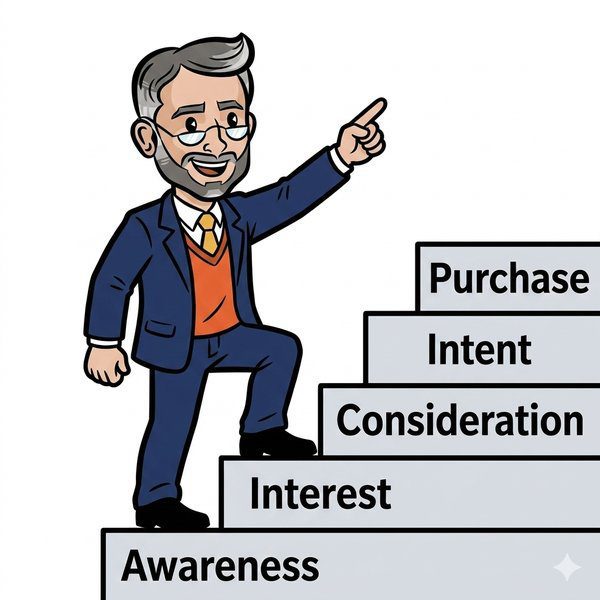
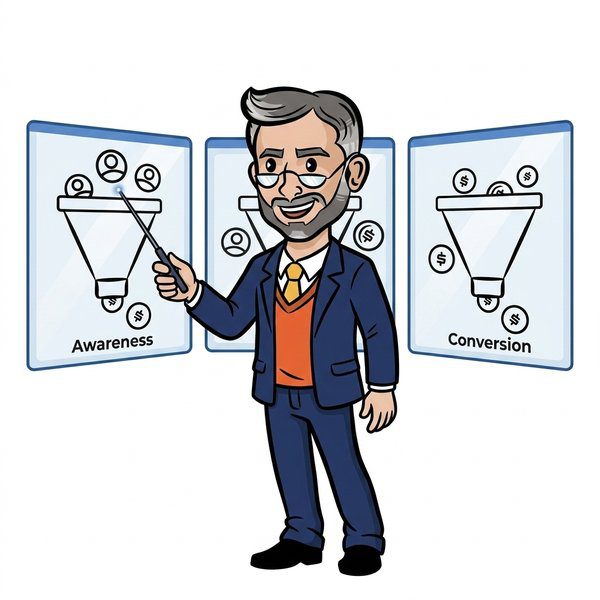
Map your content to the different stages of the buyer journey: Awareness (problem identification), Consideration (solution exploration), and Decision (vendor selection). Provide educational content in the early stages, comparative analysis in the middle, and case studies or ROI calculators closer to the decision point. This ensures relevance and builds trust progressively.
Transforming Engaged MQLs into Sales-Ready SQLs, Reducing Sales Team Burden
The ultimate goal of lead nurturing is to transform engaged MQLs into truly sales-ready SQLs. By the time a lead is handed off to sales, they should be well-informed, have a clear understanding of your value proposition, and be genuinely interested in a deeper conversation. This proactive approach significantly reduces the sales team’s burden, allowing them to focus on closing qualified opportunities.
Phase 3: Optimized Conversion and Sales Acceleration
Once qualified leads are entering your pipeline, the focus shifts to converting them efficiently and accelerating sales cycles. This phase is where your sales process optimization truly shines, turning opportunities into predictable revenue generation.
Transforming Leads into Opportunities: Precision Sales Process Optimization
An optimized sales process is the backbone of an 8-figure funnel. It provides a repeatable, measurable pathway from initial contact to closed-won.
Mapping and Refining Your Ideal Sales Process from Initial Contact to Closed-Won
Document your ideal sales process meticulously, detailing every step from initial outreach or inbound lead response to contract signing. Identify key milestones, necessary actions, and responsible parties at each stage. This clarity ensures consistency and allows for precise performance measurement.
Implementing Robust Qualification Frameworks (e.g., BANT, MEDDIC) During Discovery Calls
Sales teams must use robust qualification frameworks during discovery calls. Frameworks like BANT (Budget, Authority, Need, Timeline) or MEDDIC (Metrics, Economic Buyer, Decision Criteria, Decision Process, Identify Pain, Champion) ensure that sales representatives are asking the right questions to qualify prospects rigorously. This prevents wasted time on unqualified leads and allows for accurate forecasting.
Streamlining Sales Activities and Reducing Friction Points in the Buyer’s Journey
Analyze your sales process for inefficiencies and friction points that can derail a deal. Are contracts cumbersome? Is scheduling difficult? Can certain information be automated or self-served? Streamlining activities and removing obstacles makes it easier for prospects to buy and accelerates the sales cycle, contributing directly to revenue acceleration.
Effective Deal Management and Pipeline Velocity
Managing your pipeline effectively is crucial for maximizing conversion rates and ensuring predictable revenue generation.
Practicing Meticulous Pipeline Hygiene and Enhancing Forecasting Accuracy
A clean pipeline is an accurate pipeline. Implement strict protocols for updating deal stages, estimated close dates, and next steps. Regularly review and prune stalled or unqualified deals. Meticulous pipeline hygiene leads to far more reliable sales forecasts, which are essential for strategic planning and resource allocation.
Developing Strategies for Proactively Addressing and Overcoming Common Sales Objections
Sales teams must be equipped with comprehensive strategies for addressing common objections. This is not about memorizing scripts. It is about understanding the root cause of objections and providing value-driven responses that build trust and address concerns. Proactive objection handling shortens sales cycles and improves win rates.
Leveraging Sales Enablement Tools and Content to Empower the Sales Team
Provide your sales team with the right tools and content at the right time. This includes easily accessible product information, competitor analysis, case studies tailored to specific industries, compelling presentations, and training modules. Effective sales enablement ensures representatives are confident, knowledgeable, and can articulate value powerfully, leading to better outcomes.
Strategic Pricing and Negotiation for High-Value Deals
For an 8-figure funnel, every deal matters, and maximizing the value of each one is key to reaching revenue targets.
Adopting a Value-Based Selling Approach That Articulates ROI Clearly
Shift from feature-based selling to value-based selling. For high-value B2B clients, the focus must be on the quantifiable return on investment your solution provides. Clearly articulate how your offering solves their specific problems, reduces costs, increases revenue, or mitigates risk.
Structuring Compelling Proposals That Resonate With Executive Decision-Makers
Proposals for 8-figure deals must be more than just price lists. They should be compelling business cases that summarize the client’s challenge, reiterate your unique solution, highlight the projected ROI, and clearly outline the path forward. Tailor each proposal to resonate directly with the executive decision-makers involved.
Techniques for Confident Negotiation to Maximize Deal Profitability
Negotiation is an art, but it is also a science. Equip your sales team with techniques for confident negotiation, focusing on mutual value creation rather than just price. Understand your walk-away points, be prepared to discuss the total cost of ownership, and know how to articulate the long-term strategic benefits that justify your pricing.
Phase 4: Scalability, Predictability, and Continuous Optimization
The ultimate objective of building an 8-figure funnel is not just to hit a revenue target once. It is to create a machine that generates predictable, scalable revenue year after year. This final phase focuses on sustaining and accelerating that growth.
Achieving Predictable Revenue Generation: The Science of Funnel Metrics
Predictability is not a hope. It is a measurable outcome derived from a deep understanding of your funnel metrics. It is the core of sustainable growth for any scalable B2B sales funnel.
Identifying and Tracking Key Performance Indicators (KPIs) Beyond Superficial Metrics
Move beyond vanity metrics. Focus on KPIs that truly reflect funnel health and conversion efficiency.
- Conversion Rates at Each Stage of the Funnel: Track conversion rates meticulously at every stage of your funnel—from visitor to lead, MQL to SQL, SQL to opportunity, and opportunity to closed-won. Low conversion rates at any point signal a bottleneck that needs strategic attention.
- Accurate Calculation of Cost Per Lead (CPL) and Customer Acquisition Cost (CAC): Understanding your Cost Per Lead (CPL) and Customer Acquisition Cost (CAC) is non-negotiable. These metrics inform your marketing spend, identify efficient channels, and dictate your customer acquisition strategy. Without a clear handle on these costs, true predictable revenue generation remains elusive.
- Analyzing and Optimizing Sales Cycle Length: The length of your sales cycle directly impacts your revenue velocity. Analyze average sales cycle length and identify factors that prolong it. Strategic efforts to shorten the cycle, without compromising deal quality, significantly contribute to faster revenue growth.
Developing Robust Forecasting Models for Consistent and Reliable Revenue Growth
Leverage historical data, current pipeline status, and conversion rates to build robust forecasting models. These models provide visibility into future revenue, allowing for proactive resource planning, accurate budgeting, and confident strategic decisions. Consistent, reliable revenue growth is the hallmark of a truly optimized funnel.
Building a Scalable B2B Sales Funnel: Process and Technology Infrastructure
To reach and sustain 8-figure revenue, your funnel must be inherently scalable. This means building processes and infrastructure that can handle increased volume without breaking down.
Standardizing Successful Processes to Enable Replication and Exponential Growth
Identify the successful processes that consistently lead to closed deals and standardize them. Document workflows, create templates, and provide clear guidelines for every step. Standardization allows for efficient training of new team members, reduces errors, and enables the replication of success at a larger scale. This is how you build a scalable B2B sales funnel.
Implementing RevOps (Revenue Operations) Principles for Seamless Integration Across the Revenue Engine
For ultimate scalability and predictability, embrace RevOps (Revenue Operations) principles. RevOps unifies sales, marketing, and customer success operations, breaking down traditional silos and creating a single, integrated revenue engine. This holistic approach optimizes the entire customer journey, ensures seamless data flow, and maximizes operational efficiency, leading to faster revenue acceleration.
Professor’s Note
The transition from traditional silos to a unified revenue engine is the practical application of Revenue Operations (RevOps). RevOps is not just a department; it is a strategic discipline that breaks down the barriers between sales, marketing, and customer success.
For a CEO, implementing RevOps is the most effective way to ensure that your 8-figure funnel is predictable, scalable, and resilient to market shifts.
Strategies for Team Structure and Talent Acquisition to Support Rapid Scaling
Your team structure must support your growth ambitions. Anticipate future needs and build a talent acquisition strategy that secures the right people at the right time. This might involve specialists in specific marketing channels, sales development representatives (SDRs), or customer success managers. Scaling is not just about processes and technology. It is about scaling your human capital strategically.
The Engine of Growth: Continuous Improvement and Iteration
The journey to an 8-figure funnel is never truly finished. It is an ongoing cycle of optimization, ensuring your revenue engine remains agile and competitive.
Implementing a Rigorous A/B Testing Strategy Across All Funnel Stages
A culture of continuous improvement demands rigorous A/B testing. Test everything: website headlines, email subject lines, call-to-action buttons, ad creatives, sales scripts, and even pricing models. Small, incremental improvements across multiple funnel stages can lead to significant cumulative gains.
Establishing Systematic Feedback Loops Between Sales, Marketing, and Product Teams
Formalize feedback loops between sales, marketing, and product. Sales provides insights from customer interactions directly to marketing for improved lead quality and messaging. Marketing informs product development based on market trends and customer needs. Product updates sales on new features. This cross-functional dialogue is crucial for staying customer-centric and identifying new growth opportunities.
Developing Agile Strategies for Adapting to Market Shifts and Competitive Pressures
The business landscape is dynamic. Develop agile strategies that allow your funnel to adapt quickly to market shifts, new competitive pressures, or emerging technologies. This might involve quarterly strategic reviews, scenario planning, and a willingness to pivot tactics or even core strategies when data dictates.
Implementing Your 8-Figure Funnel: Real-World Success and Overcoming Challenges
The strategic framework outlined here is powerful, but its true impact lies in its implementation. It requires commitment, resilience, and a willingness to challenge the status quo.
Case Studies: From Growth Walls to 8-Figure Transformations
Many companies have successfully navigated the shift from disconnected tactics to a unified strategic revenue engine, transforming their growth trajectory. These are not quick fixes, but deliberate, well-executed strategic changes.
Case Study 1: The Enterprise Software Provider
- Initial Challenges: A mid-sized SaaS company specializing in enterprise software found its growth plateauing at $30M. Their sales and marketing teams operated independently, leading to inconsistent lead quality, long sales cycles (over 9 months), and an escalating Customer Acquisition Cost (CAC). CEOs were frustrated by the constant blame game.
- Strategic Solutions Implemented: The executive team committed to a comprehensive RevOps initiative, merging sales and marketing under a unified revenue leader. They invested heavily in defining a granular ICP, implementing a new marketing automation platform seamlessly integrated with their CRM, and formalizing SLAs for lead handoffs. A new content strategy focused purely on thought leadership for specific executive personas was deployed.
- Quantifiable Results Achieved: Within 18 months, the company saw a 40% increase in SQL-to-opportunity conversion rates, a 25% reduction in average sales cycle length, and a 15% decrease in CAC. Most importantly, their annual recurring revenue (ARR) grew from $30M to over $55M, consistently hitting new 8-figure targets.
- Expert Insights: This case highlights the critical importance of executive buy-in for cross-functional alignment. Without leadership championing the change, sales and marketing silos are almost impossible to break down effectively. The investment in a robust, integrated tech stack also enabled unparalleled visibility into funnel performance, powering data-driven decisions.
Case Study 2: The Industrial Solutions Manufacturer
- Initial Challenges: A long-established industrial solutions manufacturer, proud of its engineering prowess, faced stagnating sales at $60M. Their marketing consisted primarily of trade show attendance and brochures, while sales relied heavily on traditional cold calling. There was no real digital presence or a predictable revenue generation model.
- Strategic Solutions Implemented: A new Strategic Growth Architect was brought in to overhaul their B2B growth strategy. They initiated a complete customer journey mapping exercise, revealing significant gaps in their lead nurturing process. They implemented a targeted inbound content strategy, trained the sales team in value-based selling, and adopted a smaller, but highly integrated, tech stack for lead scoring and sales process optimization.
- Quantifiable Results Achieved: Over two years, the company transformed its approach. They saw a 3x increase in marketing-sourced opportunities, improved their close rate by 18% on digitally generated leads, and increased their average deal size by 10% by shifting to solution-based selling. This strategic pivot propelled them past the $80M mark, demonstrating that even traditional industries can build a modern, scalable B2B sales funnel.
- Expert Insights: This scenario underscores the power of iterative optimization. The initial focus on understanding the customer journey was key, followed by continuous refinement of content and sales messaging based on feedback loops. It was not one big change, but a series of well-planned, sequential improvements that created momentum.
Common Pitfalls and How to Avoid Them on Your Strategic Journey
While the path to an 8-figure funnel is clear, it is not without its challenges. Avoiding common pitfalls is as crucial as implementing best practices.
Addressing Potential Internal Resistance to Change Within Sales and Marketing Teams
Change is hard, and internal resistance is common. Sales teams may be comfortable with existing lead sources, and marketing teams may resist new metrics or closer integration. Overcome this by communicating the “why” (the benefits of predictable, high-value growth for everyone), involving key team members in the planning process, and celebrating small wins along the way. Leadership must champion this strategic planning with unwavering commitment.
Warning Against the Over-Reliance on Technology Without a Guiding Strategic Planning
Technology is an enabler, not a magic wand. Simply purchasing a sophisticated marketing automation platform or CRM will not solve underlying strategic deficiencies. Without a clear strategic vision, a well-defined ICP, and aligned processes, technology can amplify inefficiencies rather than resolve them. Prioritize strategy first, then select technology that supports that strategy.
Managing Expectations and Cultivating Patience for Sustainable, Long-Term Results
Building an 8-figure funnel is a marathon, not a sprint. While the goal is accelerated, predictable results, it takes time to implement fundamental changes, gather sufficient data, and optimize processes. Manage expectations internally and cultivate patience. Focus on consistent progress and measurable milestones, knowing that sustainable, long-term growth is far more valuable than any fleeting quick fix.
Your Next Steps: Becoming a Strategic Growth Architect
The insights shared here are designed to cut through the noise and provide you with a definitive B2B growth strategy. Your company’s ability to break through growth walls and achieve sustainable 8-figure revenue hinges on your willingness to embrace this strategic transformation.
As a CEO, you are the ultimate Strategic Growth Architect. Your role is crucial in championing this strategic shift within your organization. You must foster a culture of cross-functional alignment, data-driven decision-making, and continuous improvement. It requires leading by example, empowering your teams, and holding them accountable to shared revenue goals.
It is time to escape the cycle of disconnected tactics and embark on a strategic journey that delivers lasting, predictable revenue generation.
Ready to build a truly high-converting 8-figure funnel, strategically and efficiently, with a robust strategic framework for building a predictable 8-figure funnel, not just quick fixes?
Contact us to learn how we build high-converting 8-figure funnels.
Frequently Asked Questions
Can you really learn how to build an 8-figure funnel quickly?
Yes, but “quickly” must be defined as strategic efficiency rather than tactical haste. Real speed comes from having a proven, integrated framework that accelerates the movement of high-value prospects through the funnel, rather than rushing through foundational steps.
Why do most “quick fix” funnel hacks fail in B2B?
Most hacks focus on isolated tactics, such as a single social media trend or a new ad platform. In complex B2B sales, these tactics fail because they lack the systemic alignment between sales and marketing required to convert high-value opportunities.
Should I focus on lead volume or lead quality for an 8-figure funnel?
For high-value B2B companies, you must prioritize quality. An 8-figure funnel is built on the consistent conversion of high-value, qualified opportunities. Focusing on sheer volume often results in a bloated, inefficient pipeline that wastes sales resources.
How does sales and marketing alignment impact my funnel’s ROI?
Alignment ensures that marketing is generating the specific types of leads that sales is actually equipped to close. This reduces internal friction, lowers the cost of customer acquisition, and increases the overall velocity of your revenue engine.
What is the role of technology in building a scalable funnel?
Technology is an enabler, not a solution. A powerful, integrated tech stack—centered around a robust CRM—is essential for managing data flow and providing the visibility needed to optimize the funnel, but it must be guided by a clear strategic vision.