
What is Social Media Optimization (SMO)?
Social media optimization (SMO) is the ongoing work of improving your social media profiles, content and activity so more of the right people find you, engage with you and take action. It covers how you set up profiles, what you post, when and how you post it, and how you turn social attention into website visits, leads and sales.
Social Media Optimization (SMO) in a Sentence
Our social media optimization plan got so intense that the office cat now has a content calendar and better engagement than our CEO.

Key Takeaways
- SMO is to social platforms roughly what SEO is to search engines: making your presence easier to find, more engaging and more likely to lead to action.
- The term dates back to 2006. It started as making website content easy to share and now covers profile setup, content, engagement and conversion.
- Each platform, and even each part of a platform, ranks content differently. What works in one place may not work in another.
- Judge SMO by business results like link clicks, leads and sales, not just likes and follower counts.
How Social Media Optimization (SMO) Works
Marketer Rohit Bhargava introduced the term “social media optimization” in 2006. His original five rules focused on making website content easy to share: increase your linkability, make tagging and bookmarking easy, reward inbound links, help your content travel and encourage the mashup. Since then, SMO has shifted from making your website social to making your social presence work for your business.
Today, SMO usually covers six areas:
- Profile optimization. Use a clear name, profile photo and bio that say who you help and what to do next. Link to the page that matches your goal, such as a booking page or lead offer, not just your homepage.
- Content that fits each platform. Match format, length and tone to where you post. Short vertical video, carousels, text posts and long-form video each perform differently, and audiences expect different things on each platform.
- Algorithm awareness. Platforms rank content using signals about what people engage with. Instagram, for example, says each part of its app, including Feed, Stories, Explore, Reels and Search, uses its own algorithm, and that a person’s own activity, such as posts they’ve liked, shared, saved or commented on, is among the most important Feed signals.
- Consistency and timing. Plan posts with a content calendar so you show up regularly without scrambling.
- Engagement. Reply to comments and messages, join relevant conversations and share user generated content (UGC) from happy customers.
- Conversion. Give people a clear next step, then track what happens after the click.
SMO sits inside a bigger social media strategy. Strategy decides which platforms, audiences and goals matter. SMO improves performance on the platforms you’ve chosen.
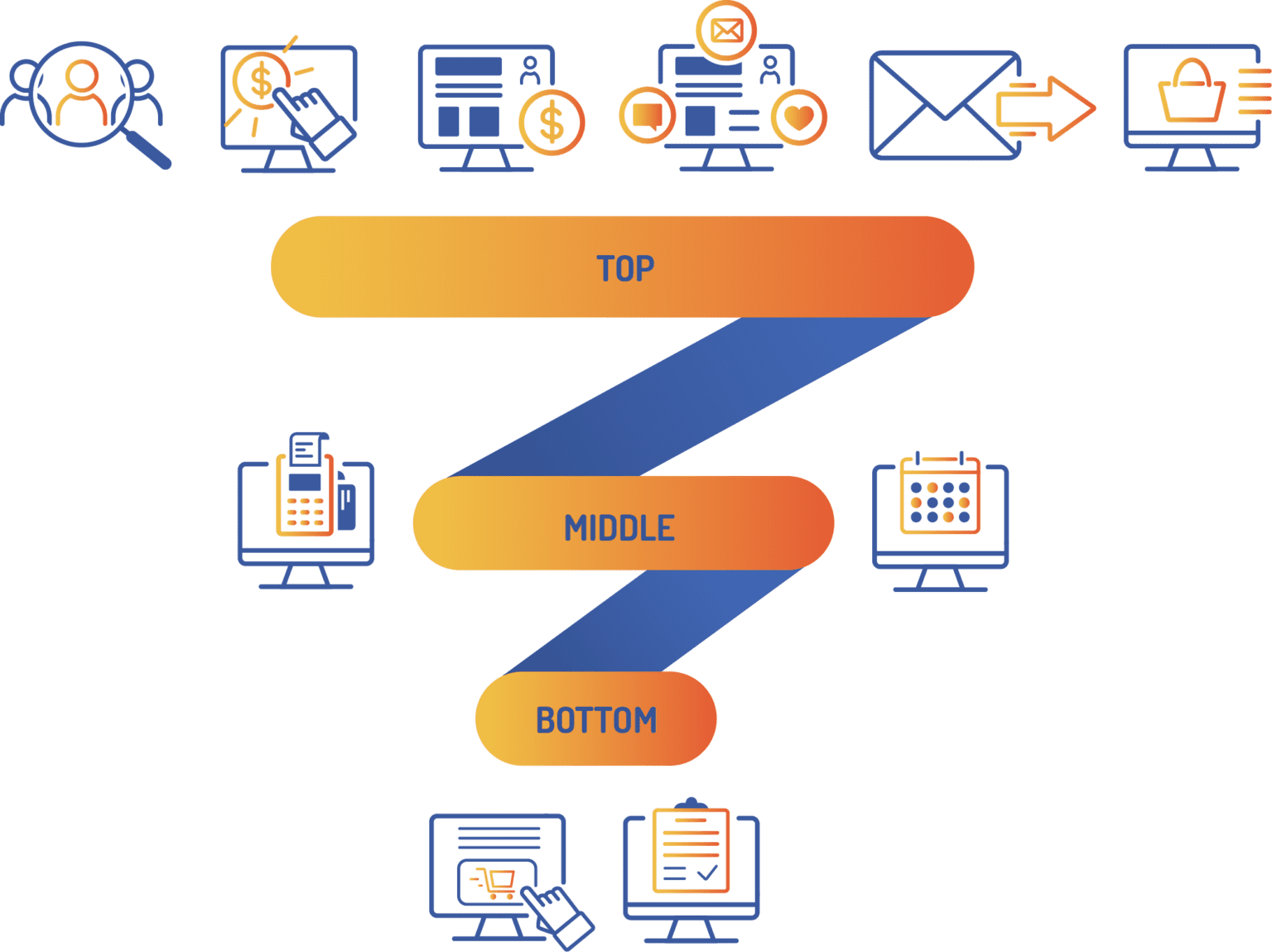
To measure SMO, follow people through your social media funnel:
Reach → engagement → profile visits → link clicks → leads or sales
A useful number to track is:
Social lead rate = leads from social ÷ link clicks from social
If engagement is high but link clicks are low, fix your profile and calls to action. If link clicks are high but leads are low, fix the landing page.
Social Media Optimization (SMO) Example
Imagine Bluebird Pilates, a small studio that uses Instagram to fill classes. It has 1,000 followers and posts about three times a week. In a typical month, about 500 people visit its profile, 50 click the link and only 2 book a free trial.
The team reviews its SMO and finds a few problems. The bio says “Move. Breathe. Live.” but doesn’t mention the city, the class type or the free trial. The link goes to the homepage, where booking is three clicks away. Posts are mostly quotes and stock photos, and comments often go unanswered.
Bluebird makes five changes:
- It rewrites the bio: “Reformer Pilates in Austin. Your first class is free. Book below.”
- It links straight to the trial booking page.
- It adds highlight covers for pricing, schedule and FAQs.
- It posts short videos of real classes and instructors and reshares member posts.
- It replies to every comment and message within a day.
Suppose that next month, profile visits rise to 800, link clicks rise to 160 and trial bookings jump to 16. Follower growth is modest, but the account now does its real job: filling classes.
These are made-up round numbers. They only show how the concept works and are not real results or benchmarks.
Common Social Media Optimization (SMO) Mistakes
1. Chasing vanity metrics. Likes and follower counts feel good, but they don’t pay the bills. An account can grow fast and still produce no customers. How to avoid it: Pick one or two business outcomes, such as leads, bookings or sales, and track the whole path from post to result.
2. Posting the same content everywhere. Copying one post across every platform ignores how differently each audience and algorithm behaves. How to avoid it: Adapt each post to the platform’s format and audience. Watch your social media engagement rate by platform and double down where it’s strongest.
3. Neglecting the profile. Many businesses pour effort into posts while their bio is vague, their link is broken and their contact info is missing. Visitors who are ready to act have nowhere to go. How to avoid it: Review your profile every quarter. Check the bio, link, contact buttons, highlights and pinned posts.
4. Posting and disappearing. Social media is social. Leaving comments and messages unanswered tells people, and often the platform, that your account isn’t worth engaging with. How to avoid it: Block out time each day to respond, and assign someone to own it.
Next Step
Want help putting this into practice in your funnel? Book your free strategy session with Sales Funnel Professor.
Social Media Optimization (SMO) FAQs
What Is the Difference between SMO and SEO?
SEO, or search engine optimization, improves how your website ranks in search engines like Google. SMO improves how your profiles and content perform on social platforms like Instagram, LinkedIn, TikTok and YouTube. Both aim to get you found by the right people. They work well together, and an SEO strategy and SMO often share content, but each channel has its own ranking signals and best practices.
What Is the Difference between SMO and Social Media Marketing?
Social media marketing is the broad practice of using social platforms to promote a business, including paid ads, influencer partnerships and organic posting. SMO is the optimization part: improving profiles, content, timing and engagement so your organic presence performs better. Think of social media marketing as the whole house and SMO as the ongoing maintenance that keeps it working well.
What Are the Rules of SMO?
Rohit Bhargava’s original 2006 rules were to increase your linkability, make tagging and bookmarking easy, reward inbound links, help your content travel and encourage the mashup. Other marketers added more rules later. Today’s practical version is simpler: set up profiles clearly, create content that fits each platform, post consistently, engage with your audience and give people a clear next step.
How Do You Measure SMO?
Track the full path from attention to action. Start with reach and engagement, then look at profile visits, link clicks, leads and sales from social. Use tracking links, such as UTM parameters, so your analytics show which posts and platforms send visitors who convert. Compare results month to month, and test one change at a time when you can.
Is SMO Free?
The basics are free. You can optimize your profiles, post organic content and engage with your audience without paying for ads. But SMO isn’t free of cost. It takes time, skill and often tools for scheduling, design and analytics. Many businesses combine SMO with paid social ads, using what works organically to guide where they spend.
Related Terms
- Social Media Strategy – The bigger plan that sets platforms, audiences and goals, which SMO then improves.
- Social Media Funnel – The path from social attention to leads and sales that SMO helps move people through.
- Social Media Engagement Rate – A key metric for judging whether your SMO changes are connecting with your audience.
- Content Calendar – The planning tool that keeps SMO posting consistent and on-message.
- User Generated Content (UGC) – Customer-created posts that add proof and reach to an optimized social presence.
- SEO Strategy – The search engine counterpart to SMO, often run alongside it with shared content.