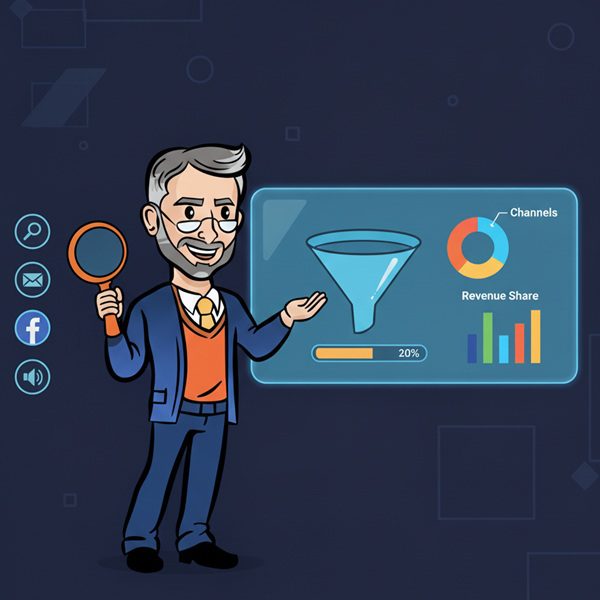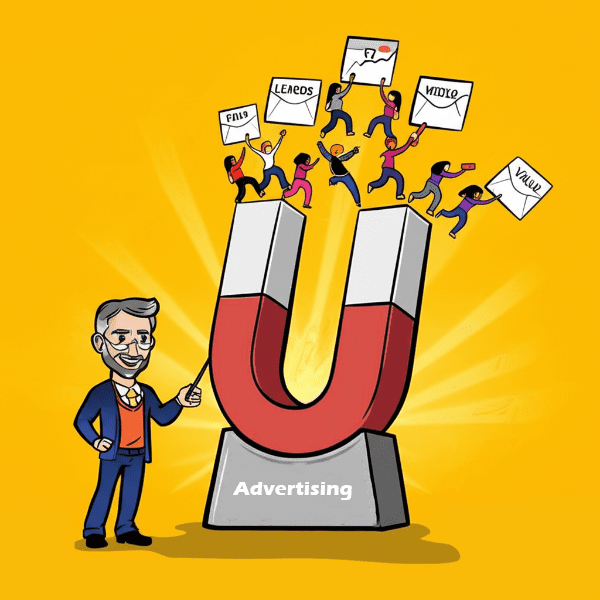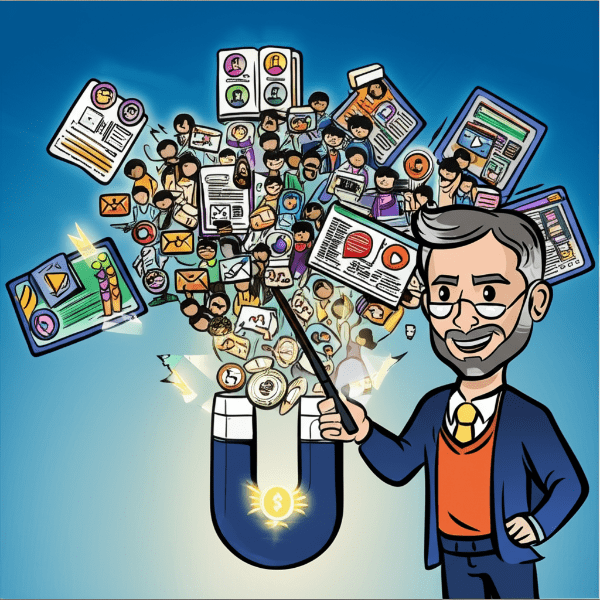

Definition: Intent-based marketing is a digital marketing approach that focuses on identifying and engaging potential customers based on their demonstrated intent to purchase a product or service. By analyzing behavioral data, search queries, and online interactions, businesses can deliver highly relevant marketing messages to prospects at the right stage of their buying journey.
Unlike traditional marketing, which often relies on broad targeting, intent-based marketing ensures that businesses reach high-intent prospects who are more likely to convert, resulting in improved ROI and higher customer satisfaction.
Use It In a Sentence: Our intent-based marketing strategy helped us increase conversions by delivering targeted ads to high-intent prospects.
Key Components of Intent-Based Marketing
- Behavioral Data Analysis: Tracking user actions, searches, and engagements.
- Personalized Messaging: Delivering content tailored to the user’s intent.
- Real-Time Targeting: Engaging prospects at critical decision-making moments.
- Predictive Analytics: Using AI and machine learning to anticipate consumer behavior.
- Omnichannel Approach: Reaching users across multiple touchpoints like search, social media, and email.
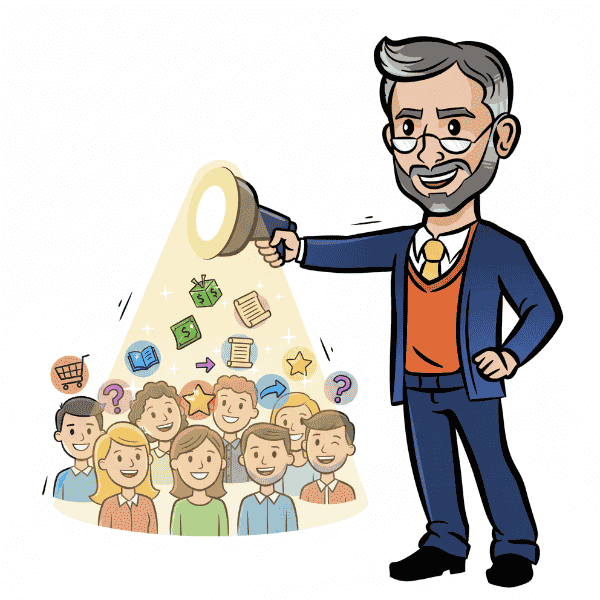
Why Intent-Based Marketing Matters
- Increases Conversion Rates: Targets users who are actively looking for solutions.
- Enhances Customer Experience: Provides relevant and timely information.
- Maximizes Marketing Efficiency: Reduces wasted ad spend on low-intent audiences.
- Improves ROI: Focuses resources on high-intent leads for better results.
How to Implement an Effective Hybrid Marketing Strategy
- Identify High-Intent Signals: Monitor search queries, website visits, and engagement patterns.
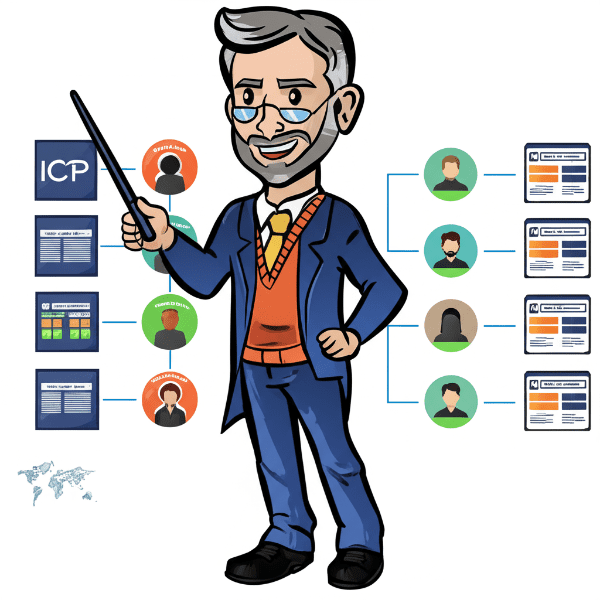
- Segment Your Audience: Group users based on their stage in the buyer’s journey.
- Leverage Retargeting: Re-engage users who have shown interest but haven’t converted.
- Use AI & Machine Learning: Automate and refine targeting with predictive analytics.
- Continuously Optimize Campaigns: Track performance metrics and adjust strategies accordingly.
Maximize Your Marketing Success with Our Sales Funnel Course
Our sales funnel course provides expert strategies to help you master intent-based marketing. Learn how to analyze intent signals, personalize outreach, and optimize campaigns for maximum impact.