
Understanding Time-Based Retargeting
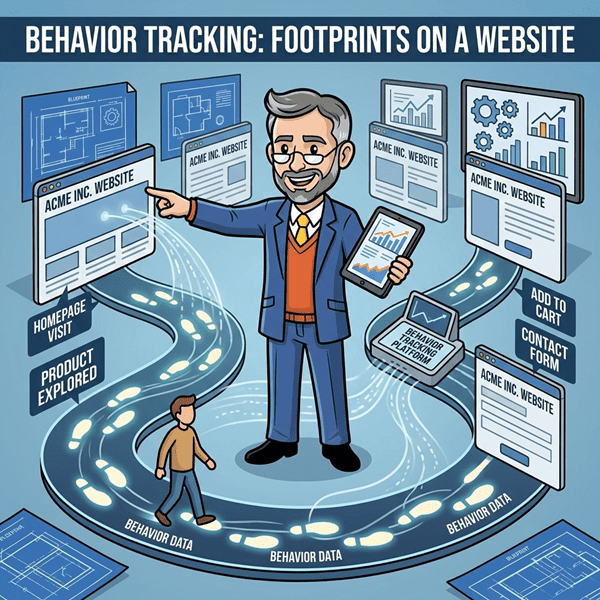
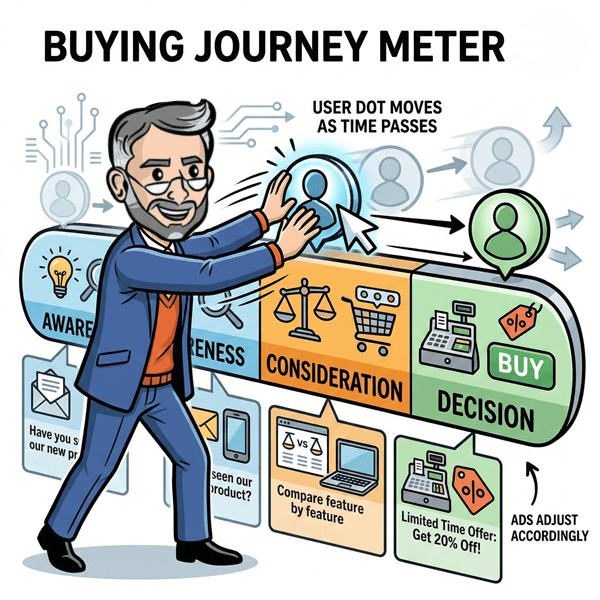
Time-Based Retargeting is a digital marketing strategy that involves delivering retargeting ads to users based on the specific timing of their previous interactions with your website or app. By segmenting audiences according to the recency of their visits or actions, marketers can tailor messages that align with the user’s position in the buying journey, enhancing relevance and conversion potential.
Example in a Sentence:
Implementing a time-based retargeting strategy allowed the company to re-engage users with personalized ads shortly after they abandoned their shopping carts, resulting in a significant boost in completed purchases.
Why Time-Based Retargeting Matters
In the digital landscape, consumers often require multiple touchpoints before making a purchase decision. Time-based retargeting ensures that your brand remains top-of-mind by:
- Enhancing Relevance: Delivering ads that correspond to the user’s recent interactions increases the likelihood of engagement.
- Improving Conversion Rates: Timely reminders can prompt users to complete desired actions, such as finalizing a purchase.Sales Funnel Professor+3Sales Funnel Professor+3Sales Funnel Professor+3
- Optimizing Ad Spend: Focusing on users based on their engagement timeline ensures efficient use of advertising budgets.
Best Practices
1. Segment Audiences by Engagement Recency
Categorize users based on how recently they interacted with your site, such as:
- Within 24 hours: High-intent users who may respond well to immediate reminders.
- 1–7 days: Users who showed interest but may need additional incentives.
- 8–30 days: Potential customers who require re-engagement strategies.
2. Customize Ad Content Accordingly
Tailor your messaging to match the user’s engagement timeline:
- Immediate Follow-Up: Highlight urgency or limited-time offers.
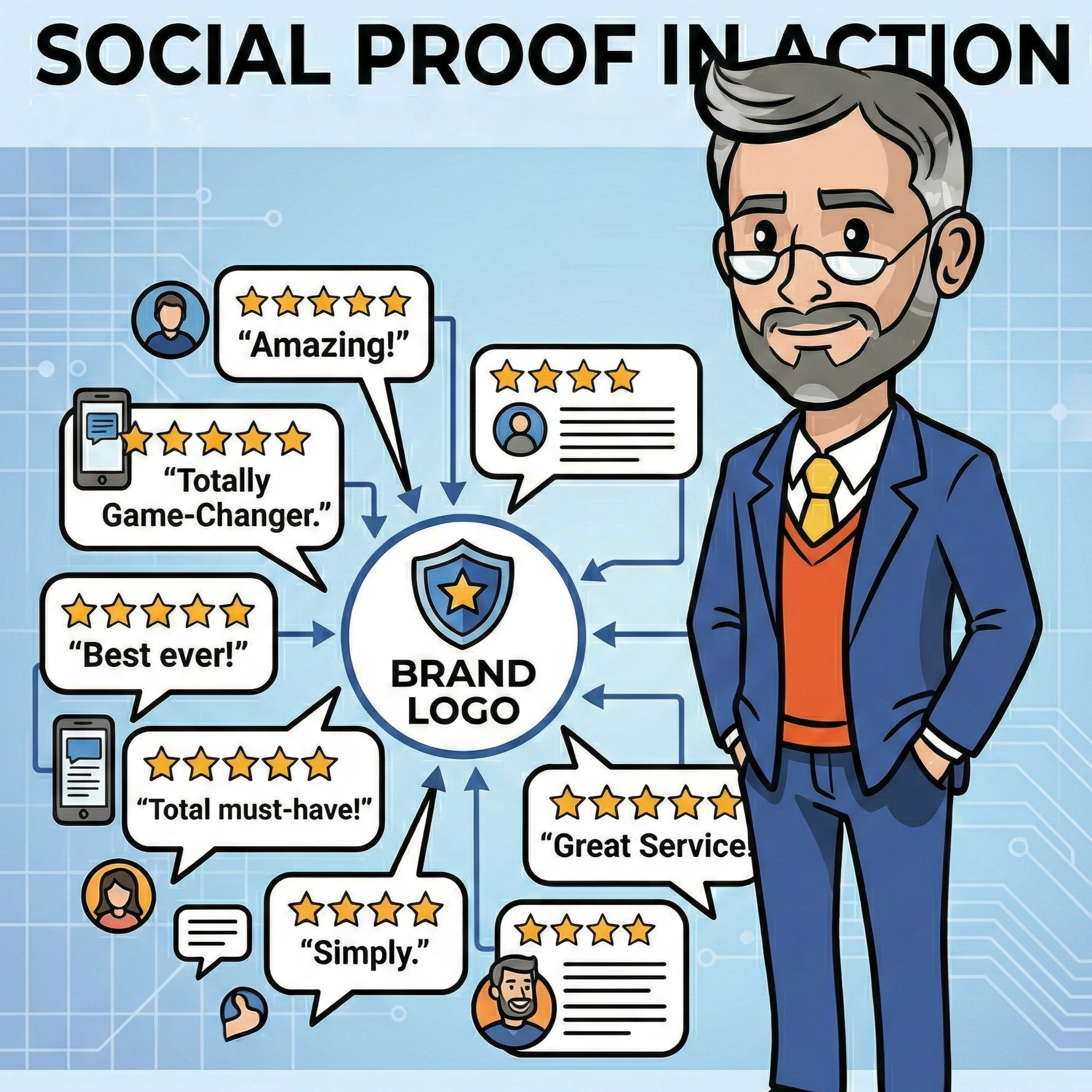
- Mid-Term Engagement: Provide additional information or testimonials to build trust.
- Long-Term Re-Engagement: Introduce new products or updates to rekindle interest.
3. Implement Frequency Caps
Avoid overwhelming users by setting limits on how often they see your ads within a specific timeframe.
4. Monitor and Adjust Campaigns
Regularly analyze performance metrics to refine your timing and messaging strategies for optimal results.
More Definitions
(From the Sales & Marketing Jargon Encyclopedia)
- Information Retargeting – A strategy that leverages data from previous customer interactions to re-engage users with content and offers that feel timely, relevant, and tailored to individual needs.
- Behavioral Targeting – A marketing strategy that focuses on using a customer’s online behavior to show them personalized ads.
- Website Behavioral Targeting – A digital marketing strategy that delivers personalized content or ads based on how users behave on a site.
Useful Posts
(From the Sales Funnel Professor Blog)
- 👉 Top of Funnel in Focus: Pay per Click – Raise Your PPC Intelligence
Explore strategies to assess and enhance your existing funnels for better performance. - 👉 Top-of-Funnel Source: Account-Based Marketing (ABM) Explained
Compare CRM platforms that support automated email strategies and improve customer retention. - 👉 The Marketing Funnel: Stages, Strategies, & How to Optimize
Learn how to build an effective sales funnel that guides prospects through the buyer’s journey.