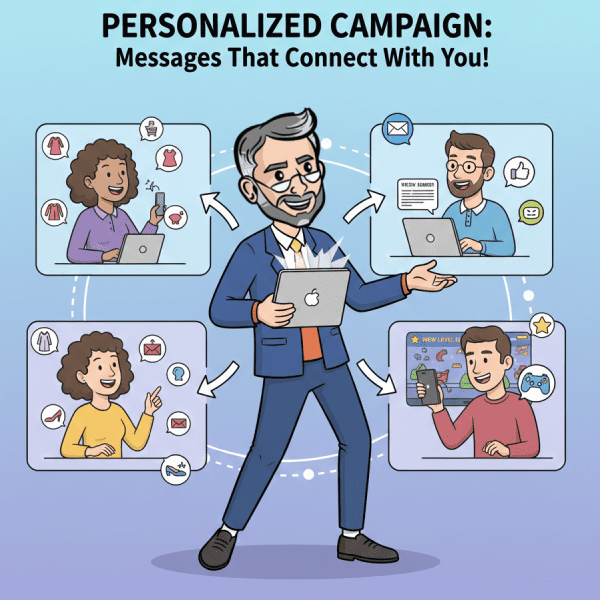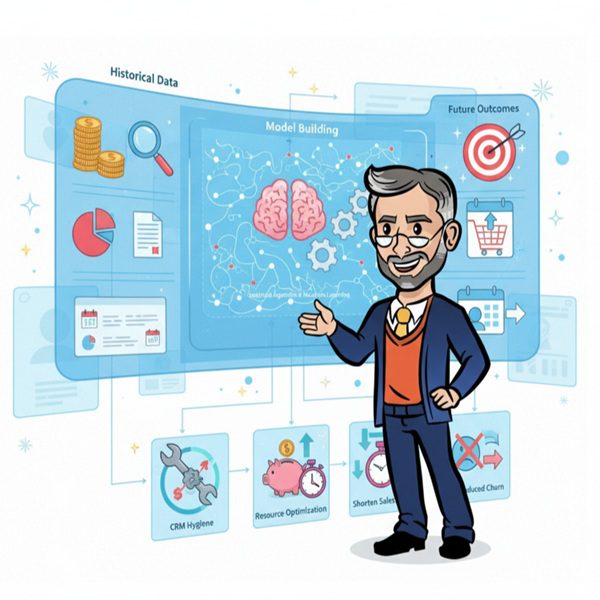

Definition: Personalized content is any message, image, or offer that changes based on who’s seeing it. It uses things like a person’s behavior, interests, or location to make the message feel more relevant. Instead of showing everyone the same thing, it delivers content that feels made just for them—whether it’s an email, a landing page, or a product suggestion.
Example in a Sentence:
We used personalized content in our emails, so each person got product suggestions based on what they clicked on last time.
Why Personalized Content Matters
Personalized content is more than just a marketing buzzword. It’s a smart way to create experiences that feel personal to each user. By using data like behavior, preferences, and demographics, businesses can send the right message to the right person at the right time. In today’s world of content overload, personalization helps cut through the noise. It builds real engagement and keeps people interested.
For brands that want to stay relevant and increase conversions, personalized content is a powerful tool. It helps create deeper connections with customers. It also makes campaigns more effective by turning broad messages into one-to-one conversations. For startups, this approach is especially valuable as it helps them compete with larger brands by delivering tailored, meaningful experiences early in the customer journey.
Benefits of Personalized Content
- Increased Engagement: When content feels relevant, people are more likely to stop, read, and interact—whether it’s clicking a link, watching a video, or sharing with friends.
- Higher Conversion Rates: Personalized content nurtures leads by addressing their specific needs and pain points, guiding them naturally toward taking action.
- Customer Loyalty & Retention: By consistently delivering value that feels tailored, you strengthen trust and increase the chances of repeat business. Platforms like HubSpot make it easier to manage these personalized experiences across touchpoints.
- Smarter Use of Data: Personalization helps brands use CRM and behavioral data more effectively. It turns raw information into useful insights for future content strategies. Clean CRM hygiene ensures this data is accurate and ready to inform content decisions.
- Reduced Bounce Rates: When visitors land on pages that speak directly to them, they’re more likely to stay longer, explore more, and convert.
Key Elements of Personalized Content
- Audience Segmentation: Start by grouping your audience based on shared traits—such as location, purchase history, or on-site behavior—to craft messages that resonate.
- Dynamic Content Delivery: Use tools that allow website pages, emails, and ads to change based on who’s viewing them, ensuring each user sees the most relevant offer or message.
- Behavior-Based Triggers: Implement automation that reacts to user behavior—such as cart abandonment or past downloads—to deliver timely, relevant follow-ups. Platforms like Go High Level make it easy to set up these workflows and keep personalization consistent.
- Tailored Email Campaigns: Go beyond first-name personalization. Use content blocks that change based on user interests, purchase stage, or engagement history.
- Content Recommendations: Suggest blogs, products, or services based on what users have viewed or purchased before to keep them engaged and moving through the journey.
- Feedback Loops: Use surveys, polls, and quizzes to gather insights and refine future personalized content even further.
More Definitions
(From the Sales & Marketing Jargon Encyclopedia)
- Qualified Lead: A prospect who meets certain criteria and demonstrates intent or potential to become a customer.
Read More> - Link Juice: The SEO value or authority passed through hyperlinks to boost search rankings.
Read More> - One and Done: A sales or marketing approach that lacks follow-up or nurturing—often ineffective.
Read More> - Scheduler: A scheduler automates appointment booking, reducing back-and-forth and saving time for teams and clients.
Read More> - Salesforce: Salesforce is a leading CRM solution used to manage leads, automate workflows, and boost sales.
Read More>
Useful Posts
(From the Sales Funnel Professor Blog)
- Top of Funnel: Organic Social Strategies: Learn how to build brand awareness using unpaid social media content and outreach.
Read More> - SEO Top of Funnel Strategies: Dive into organic tactics that increase visibility at the awareness stage without a paid budget.
Read More> - How to Find Low-Hanging Fruit in Sales & Marketing: Discover practical ways to identify quick wins and easy-to-implement strategies that don’t require a big spend.
Read More> - ClickFunnels vs HubSpot: ClickFunnels focuses on building sales funnels, while HubSpot offers a full CRM and marketing suite.
Read More>