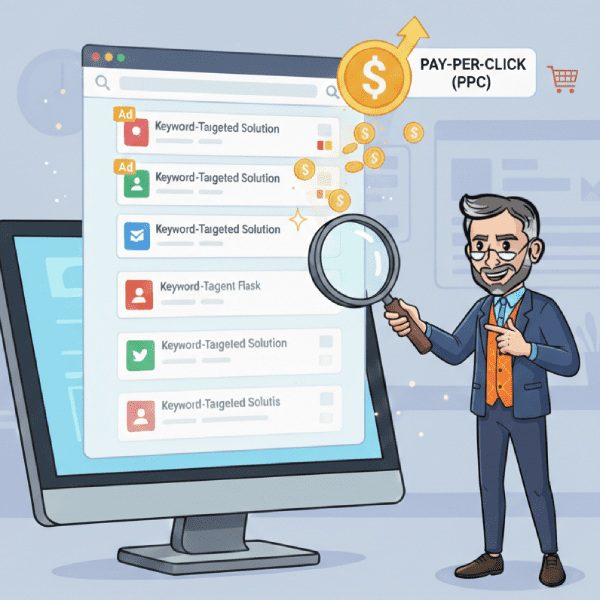

Definitions: Pay-per-click (PPC) is a digital advertising model where businesses pay a fee each time their ad is clicked. It’s a fast, targeted way to drive traffic to your website—especially useful for startups and businesses looking to generate leads, increase visibility, or promote time-sensitive offers.
Use in a sentence: Unlike organic marketing, which takes time to build momentum, PPC campaigns offer instant visibility on platforms like Google Ads, Bing, and social media networks. When done right, PPC becomes more than a traffic driver—it becomes a key revenue channel that delivers measurable ROI and valuable customer insights.
Benefits of Effective Pay-Per-Click (PPC) Strategy
- Immediate Visibility: Appear at the top of search results as soon as your campaign goes live—ideal for new product launches or seasonal promotions.
- Laser-Targeted Audience Reach: Use keyword targeting, audience segments, and demographics to ensure your ads show up in front of the right people at the right time.
- Cost Control: Set daily or campaign-level budgets to control ad spend, and only pay when someone clicks on your ad—ensuring you get value for each visit.
- Data-Driven Insights: PPC platforms offer in-depth analytics, helping you understand which keywords, ads, and landing pages are driving conversions.
- High Intent Traffic: Because users are actively searching for solutions, PPC brings in visitors who are already primed to take action—making it easier to convert them into leads or sales.
Key Elements of a Winning Pay-Per-Click (PPC) Campaign
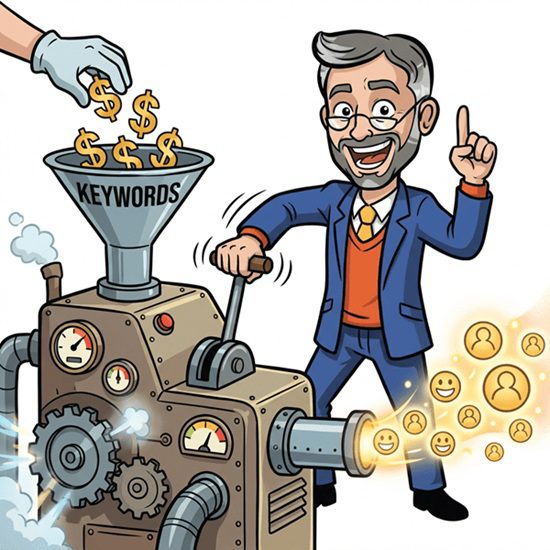
- Keyword Research: Start with identifying high-intent, relevant keywords that match what your audience is searching for. Use tools like Google Keyword Planner or SEMrush to refine your list.
- Compelling Ad Copy: Craft headlines and descriptions that address your audience’s needs, include a clear value proposition, and encourage clicks with strong CTAs.
- Landing Page Alignment: Ensure your ad traffic lands on a page that directly reflects the offer—improving Quality Score and increasing conversion rates.
- Ad Extensions: Use site links, callouts, and structured snippets to take up more space on the search results page and give users more reasons to click.
- Conversion Tracking: Set up tracking to measure what actions users take after clicking—this helps you optimize campaigns and allocate budget to what’s working.
- Ongoing Optimization: PPC isn’t set-it-and-forget-it. Regularly review performance data, pause underperforming keywords, A/B test new copy, and adjust bids to get the most out of your budget.