
Table of Contents
Choosing the Right Strategic Marketing Partner for Heavy Equipment Companies: Beyond Generic Agencies
Beyond Generic: What Defines The Best Marketing Agency for Heavy Equipment?
Your Strategic Blueprint: How to Choose a Marketing Agency for Manufacturing & Heavy Equipment
Implementing and Sustaining Growth with Your Chosen Partner
The ROI of a Strategic Partnership: Reaching Your Growth Potential
Frequently Asked Questions
Choosing the Right Strategic Marketing Partner for Heavy Equipment Companies: Beyond Generic Agencies
This article is not about quick fixes or marketing buzzwords. It offers a pragmatic, strategic framework to help you discern a true partner from a generic vendor. Our goal is to drive consideration of a specialized marketing agency as the strategic solution, leading you towards understanding, engagement, and ultimately, reignited growth. The single most important message is this: The “best” marketing agency for your heavy equipment company offers more than services. It provides a strategic partnership. This partner understands your unique industry challenges, integrates sales and marketing, and delivers measurable, sustainable growth.
Is your heavy equipment company’s growth stuck in neutral, despite significant investment in sales and marketing? Do you find yourself drowning in disconnected tactics and starving for a cohesive, revenue-driving strategy? If you are a CEO in the heavy equipment sector, you likely know this frustration well. A revenue ceiling has appeared, leading to endless finger-pointing between sales and marketing teams. The allure of “silver bullets” ultimately fizzles out. This is a common, yet solvable, challenge, and choosing the right strategic marketing partner for heavy equipment companies is key.
Addressing the Elephant in the Room: Why Heavy Equipment Growth Stalls
For many heavy equipment manufacturers, distributors, and service providers, growth is not a linear ascent. It often plateaus, even after years of consistent progress and significant investment. This is not a reflection of a flawed product or a lack of market need. It is frequently the symptom of a deeper, systemic issue within the go-to-market strategy. This represents a core aspect of B2B industrial marketing challenges.
The Frustration of Stalled Growth
C-suite executives, particularly CEOs, feel the sting of this stalled growth acutely. You have likely invested heavily in sales teams, hired marketing professionals, and perhaps even engaged various agencies. Yet, the needle is not moving as it should. There is a palpable exhaustion from the pursuit of “silver bullets” — a new social media campaign, a rebranded brochure, a series of trade shows. All of these efforts feel disconnected and fail to deliver the significant, sustainable revenue acceleration you need.
This revenue ceiling is not just a number on a spreadsheet. It has profound financial and operational impacts. It limits your ability to invest in research and development, expand into new markets, or attract top talent. It can erode team morale and foster an environment of blame rather than collaboration, leaving you searching for clarity amidst the complexity.
The Disconnect Between Sales and Marketing

Professor’s Note
In the industrial sector, it is vital to distinguish between lead generation and demand generation. Lead generation often focuses on volume: getting as many names as possible into a database. Demand generation focuses on intent: creating the awareness and desire that ensures those names are high-quality, motivated prospects. The best agencies prioritize demand generation to support sales efficiency.
At the heart of much of this stagnation lies a fundamental disconnect: the chasm between sales and marketing. Too often, these two critical functions operate in their own silos, with disparate goals, metrics, and even language. Marketing might be celebrated for lead volume, while sales laments lead quality. This leads to the infamous “finger-pointing” dilemma rather than shared accountability for pipeline and revenue.
This lack of a unified strategy for customer acquisition and retention is crippling. Marketing generates leads that sales cannot convert. Sales pursues opportunities without the foundational support and market intelligence that marketing should provide. The result is ineffective demand generation and lead generation efforts. These are characterized by wasted resources and missed opportunities. What is missing is a cohesive approach to integrated sales and marketing. This strategy aligns both teams on the customer journey, from initial awareness to post-purchase support, working in concert towards shared revenue objectives.
The Unique B2B Industrial Marketing Challenges
Marketing heavy equipment is fundamentally different from selling consumer goods or even generic B2B software. The complexities of the heavy equipment buyer’s journey are immense. This journey is characterized by long sales cycles that can span months or even years. These are high-value, high-consideration purchases. They often represent a significant capital expenditure for a business. Decision-making units are complex. They involve engineers, project managers, procurement specialists, and C-suite executives. Each has distinct information needs and priorities.
Professor’s Note
In heavy equipment, you are rarely selling to a single individual. You are selling to a Decision Making Unit (DMU). This unit typically includes the operator (the end-user), the engineer (the technical validator), the procurement specialist (the buyer), and the CFO (the economic buyer). A specialized agency understands that your content strategy must address the unique, distinct pain points of every person in that chain.
Target audiences are often niche, requiring specialized product knowledge and a deep understanding of very specific operational contexts. This applies whether it is construction equipment marketing, mining equipment marketing, or agricultural machinery lead generation. The critical role of trust, relationships, and robust after-sales support cannot be overstated. The sale often begins, rather than ends, at purchase. Furthermore, navigating complex dealer networks, regional market specificities, and evolving regulatory environments adds layers of complexity that a generalist marketing approach simply cannot address effectively.
Beyond Generic: What Defines The Best Marketing Agency for Heavy Equipment?
When growth stalls, the natural inclination is to seek external help. However, the market is saturated with marketing agencies. Many promise the world without delivering much beyond standard services. For heavy equipment companies, a generalist approach is often a recipe for continued frustration. These agencies, while competent in broader digital marketing, typically lack the granular understanding of your industry’s intricacies, buyer behaviors, and technological nuances. Their strategies often fall flat because they miss the foundational context.
It is time to shift your mindset. Do not view an agency merely as a vendor hired to execute discrete tasks. See them as a true strategic partner. This is not just a semantic difference. It dictates the depth of engagement, the nature of solutions proposed, and ultimately, the impact on your bottom line. A strategic partner does not just “do” marketing. They think like you, understand your business challenges, and become an extension of your leadership team. This is about choosing the right strategic marketing partner for heavy equipment companies.
The Critical Need for Industry Specialization
The most distinguishing characteristic of the best marketing agency for heavy equipment is an unwavering commitment to and expertise in your specific industrial sector. This is not just about knowing what an excavator is. It is about a deep understanding of heavy machinery, construction equipment marketing cycles, the unique demands of mining equipment marketing, and the seasonal variations of agricultural machinery lead generation. This demonstrates a deep, heavy equipment marketing strategy.
A specialized agency possesses an innate familiarity with industry trends, regulatory environments such as emissions standards and safety protocols, and the rapid pace of technological advancements like telematics, autonomy, and electrification. They have the ability to speak the language of engineers, project managers, and procurement teams with authenticity and credibility. They translate complex technical specifications into compelling, problem-solving benefits for your target audience.
Consider an example. A generalist agency might propose a broad social media campaign for a new excavator model, focusing on visual appeal and general features. Conversely, a specialist in heavy equipment marketing strategy would identify the specific target contractors. These might include road builders versus utility companies. They would highlight features critical to their operational efficiency. This could involve fuel economy metrics or advanced hydraulic systems for specific attachments. They would deploy the campaign on platforms frequented by these specific buyers, perhaps even incorporating testimonials from actual operators. The difference in impact is profound. This leads to highly qualified leads rather than mere impressions.
The Hallmarks of a True Strategic Partner
Beyond industry specialization, a truly valuable partner exhibits specific characteristics that elevate them above tactical vendors. They are proactive, not reactive, problem solvers. They anticipate market shifts and propose solutions before you even recognize the challenge. Their focus is on long-term growth and sustainable marketing strategies. They build robust pipelines and enduring brand equity, rather than just chasing short-term campaign metrics.
Crucially, they act as an extension of your internal team. They seamlessly bridge internal gaps between sales and marketing, product development, and customer service. They do not just present data. They translate it into actionable insights that inform your broader business strategy. Most importantly, they are unwavering in their commitment to measurable marketing ROI for industrial companies. They tie every marketing effort directly to tangible business outcomes, such as increased sales, reduced customer acquisition costs, or improved customer lifetime value.
Your Strategic Blueprint: How to Choose a Marketing Agency for Manufacturing & Heavy Equipment
Choosing the right marketing partner is a critical strategic decision, not merely a procurement exercise. It requires a robust, pragmatic framework for evaluation that moves beyond superficial metrics and glossy presentations.
This blueprint will guide you in assessing true strategic value. It ensures your investment yields significant returns. This is key to choosing a marketing agency for manufacturing.
Unwavering Industry Expertise and Market Acumen
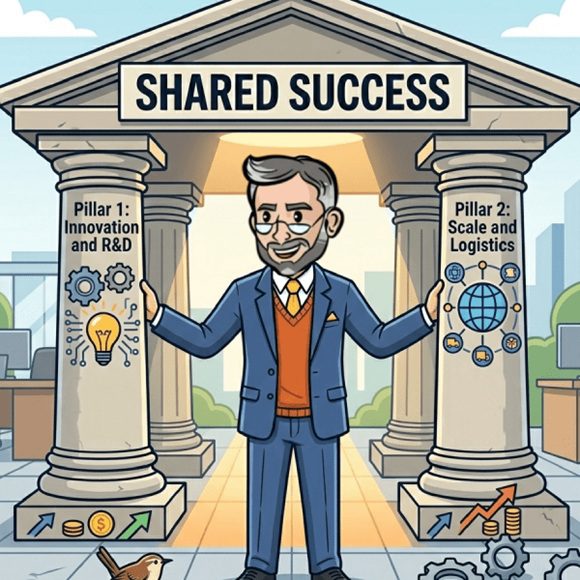
The foundation of any successful partnership in the heavy equipment sector is undeniable industry specialization.
Proven Track Record
Look for specific case studies or demonstrable experience in heavy equipment marketing strategy. This is not about generic client lists. It is about detailed accounts of how they have solved challenges identical or highly similar to yours for other heavy equipment or industrial clients. Request to see actual campaign results, not just testimonials.
Market Insight
A truly valuable partner possesses a deep understanding of your target segments. This means knowing the nuances of specific construction sectors like residential versus commercial infrastructure. It also includes the specific needs of aggregate production facilities, or the varying scales and technological adoption rates of farming operations. They should be able to articulate your customer’s pain points better than you can.
Technical Literacy
The ability to grasp complex product features and benefits is non-negotiable. Your agency partner must be able to translate the intricate engineering of a new engine, the advanced telematics of a fleet management system, or the ergonomic advantages of a cabin design into compelling messages. These messages must resonate with your highly technical and pragmatic buyers. They should be comfortable speaking with your product development team.
Industry Benchmarks
A specialized agency should have access to and routinely apply relevant B2B industrial marketing challenges and solutions. This includes understanding typical lead-to-opportunity conversion rates in your segment. It also involves effective channel utilization for heavy machinery digital strategy and the competitive landscape’s marketing spend and tactics. They should challenge your assumptions based on industry best practices, not just their generic experience.
A Unified Sales & Marketing Strategy: Bridging the Divide
The best agency will not just run marketing campaigns. They will orchestrate an integrated sales and marketing ecosystem.
Integrated Approach
Assess their capacity to develop and execute industrial marketing solutions. These solutions must align marketing efforts directly with sales goals. This means they understand the sales process, the role of sales enablement, and how marketing can proactively support sales teams. They do not just hand off raw leads. They should be able to describe how their strategy will specifically shorten sales cycles or increase deal size.
B2B Sales Alignment Capabilities
Inquire about their experience with CRM integration such as Salesforce, HubSpot, or Microsoft Dynamics. Ask about sales enablement tools like content platforms and presentation tools. Also inquire about lead nurturing processes specifically tailored for high-value lead generation in complex industrial sales. They should be able to demonstrate how they qualify leads. This means not just by interest, but by fit and intent. This ensures sales expend energy on genuinely promising prospects.
Account-Based Marketing (ABM) Proficiency
For high-value heavy equipment sales, account-based marketing (ABM) is often paramount. Demand their strategies for identifying, targeting, and engaging key accounts in the industrial space. This ensures a personalized and highly coordinated approach that involves both marketing and sales from the outset.
Internal Collaboration
Perhaps most critically, how does the agency facilitate communication and goal setting between your sales and marketing teams? Do they propose joint workshops, shared dashboards, or collaborative planning sessions? A true partner actively works to dismantle internal silos and foster a culture of shared accountability for revenue.
Data-Driven Performance and Measurable ROI
Stagnant growth stems from a lack of clarity and accountability. The right partner provides both through rigorous, transparent measurement.
Transparent Reporting
Demand clear metrics and dashboards focused on business outcomes. Do not accept only vanity metrics like website traffic or social media likes. You need to see how marketing activities directly contribute to pipeline value, qualified opportunities, and closed-won deals. Reports should be easy to understand and directly actionable for your C-suite.
Attribution Modeling
They must demonstrate an understanding of how marketing efforts contribute to sales. This ranges from customer acquisition in B2B industrial to pipeline velocity and average deal size. Can they show you the journey a lead takes from initial touchpoint to sale, and which marketing activities influenced that journey?
Predictive Analytics
A sophisticated partner leverages data not just to report on the past. They use it to forecast trends and optimize future campaigns. This includes identifying emerging market opportunities, predicting customer churn, or optimizing budget allocation across channels based on performance probabilities.
Heavy Machinery Digital Strategy Analytics
Specifically, they should possess expertise in tracking digital performance across specific industrial platforms and channels. This means understanding how buyers engage with product configurators, spec sheets, or virtual demonstrations. This goes beyond generic website analytics. It aims to understand the behavior of high-intent industrial buyers.
Strategic Approach Over Tactical Firepower
Many agencies are strong tacticians but weak strategists. You need the latter.
Holistic Strategy Development
The best partner moves beyond individual tactics such as SEO, PPC, or social media. They develop a comprehensive heavy equipment marketing strategy. This means a unified vision for how all marketing efforts intertwine to achieve your overarching business goals, not just siloed campaigns.
Customer Journey Mapping
They should be able to map and optimize every touchpoint for the heavy equipment buyer. This ranges from initial research and awareness to demonstration, purchase, and critical after-sales support. Understanding this complex journey allows for targeted, impactful interventions at each stage.
Content Strategy
A strong agency develops valuable, industry-specific content that genuinely resonates with decision-makers.
This goes beyond product brochures. It includes whitepapers on operational efficiency, technical guides for complex applications, industry trend reports, and thought leadership. This establishes your company as an authority.
Brand Building
Beyond immediate lead generation, a strategic partner considers strategies for enhancing your company’s reputation and authority within the industrial sector. This includes thought leadership, public relations, and consistent brand messaging. These build long-term trust and preference.
Cultural Fit and Collaborative Partnership
A successful strategic marketing partnership is also about people and chemistry.
Communication Style
Look for open, honest, and proactive communication. Your partner should be transparent about challenges as well as successes. They should provide clear explanations and collaborative solutions. They should be readily accessible and responsive.
Problem-Solving Mindset
You need a partner who brings solutions, not just problems. When obstacles arise, they should present well-thought-out options and actionable recommendations. This demonstrates a proactive approach to overcoming challenges.
Long-Term Vision
An agency invested in your sustained growth will demonstrate a long-term vision. They do not just focus on short-term project completion. They should propose multi-year roadmaps and show how their efforts build compounding value over time.
Team Integration
How seamlessly can they become an extension of your existing C-suite and marketing or sales teams? Do they foster a collaborative environment, or do they operate in isolation? The best partnerships feel like a true merger of efforts and expertise.
Implementing and Sustaining Growth with Your Chosen Partner
Selecting the best marketing agency for heavy equipment is only the first step. Maximizing the value of your strategic marketing partnership requires a deliberate approach to implementation and a commitment to continuous optimization. This establishes a foundation for enduring success and continuous improvement.
Onboarding for Success: Setting the Foundation
The initial phase of your partnership is crucial for laying a strong foundation.
Defining Clear, Measurable Objectives (OKRs/KPIs) Collaboratively
From day one, ensure both parties are aligned on what success looks like. This goes beyond vague goals like “more leads” to specific, measurable objectives. Examples include “increase qualified opportunities by 25% within 12 months” or “reduce customer acquisition cost by 15% through digital channels.” These should be jointly agreed upon and regularly reviewed.
Establishing Robust Communication Protocols and Meeting Cadences
Define how often you will meet, who needs to be present, and what the agenda will be. Regular, structured communication is vital for transparency, feedback, and agile adjustments. This could include weekly syncs, bi-weekly performance reviews, or monthly strategic discussions. This prevents miscommunication and ensures everyone is on the same page.
Integrating Tools and Platforms for Seamless Data Flow and Reporting
Work together to integrate your CRM, marketing automation platforms, and analytics tools. This ensures data flows seamlessly between your systems and the agency’s. It provides a single source of truth for performance tracking and enables truly integrated sales and marketing insights. The easier the data flow, the more precisely the marketing ROI for industrial companies can be measured.
Educating the Agency on Internal Processes and Key Stakeholders
No matter how specialized an agency is, your specific internal workings are unique. Dedicate time to educate your new partner on your sales process, product development roadmap, unique value propositions, and the roles of key stakeholders within your organization. This empowers them to act as a true extension of your team.
Continuous Optimization and Long-Term Value
The heavy equipment market is dynamic. Your marketing strategy must be equally agile.
Regular Performance Reviews and Strategic Adjustments
Performance reviews should go beyond simply reporting numbers. They should involve an in-depth analysis of what worked, what did not, and why. This leads to strategic adjustments. This iterative process of test, learn, and optimize is essential for maximizing campaign effectiveness. It also ensures customer acquisition in B2B industrial remains efficient.
Adapting to Market Changes, Technological Advancements, and Competitive Shifts
The heavy equipment industry is constantly evolving. This includes new infrastructure projects driving demand to advancements in electrification and automation. Your heavy equipment marketing strategy needs to be flexible enough to adapt. A strategic partner will proactively monitor these shifts and recommend adjustments to your strategy. This helps maintain relevance and competitive advantage.
Leveraging Data Insights to Refine Heavy Equipment Marketing Strategy and Explore New Opportunities
Continuous data analysis should not just be about fixing problems. It should also be about identifying new opportunities. Perhaps analytics reveal an untapped niche market or a highly effective content format you had not fully exploited. Your partner should use these insights to refine existing strategies and explore new avenues for demand generation and market penetration.
An industrial equipment manufacturer specializing in earthmoving machinery might initially focus their heavy machinery digital strategy on general contractors. However, their specialized agency, through continuous data analysis, identifies a sudden surge in search queries related to “wastewater infrastructure projects.” They also notice increased engagement with content related to compact excavators suitable for trenching. The agency proactively pivots a portion of the digital campaign and content creation efforts to capitalize on this specific, emerging opportunity. They shift resources to target engineering firms and specialized utility contractors, leading to a significant influx of highly qualified lead generation in a previously underserved segment. This proactive adaptation is a hallmark of true partnership.
Scaling Successful Initiatives to Drive Greater Customer Acquisition in B2B Industrial
When a campaign or strategy demonstrates clear success, a strategic partner will not just move on to the next task. They will identify opportunities to scale those successful initiatives. They will replicate winning formulas across different product lines, geographic regions, or target segments. This drives exponentially greater customer acquisition in B2B industrial and expands market share.
The ROI of a Strategic Partnership: Reaching Your Growth Potential
The journey from growth stagnation to sustainable expansion often feels arduous. You have navigated the complexities of product development, supply chains, and market shifts. However, the critical bridge to reaching your full revenue potential lies in a revitalized, integrated sales and marketing engine. This is the transformative impact of selecting the right strategic partner.
When integrated sales and marketing operate as a cohesive unit, the finger-pointing ceases. Instead, you witness a unified front. It is aligned on customer journeys, shared KPIs, and a common goal: driving revenue. This synergy streamlines operations, reduces wasted spend, and accelerates deal velocity. It directly addresses your core frustrations with disconnected tactics.
The right partner understands that the best marketing agency for heavy equipment is measured not by marketing outputs, but by business outcomes. They do not just promise leads. They deliver qualified opportunities that convert into sales, transitioning your company from stalled progress to sustained expansion. This allows you to break through the revenue ceiling and invest confidently in future innovation and market leadership.
This is not merely a vendor-client relationship focused on one-off projects. It is the cultivation of a long-term, strategic marketing partnership. Your partner becomes an embedded resource, an extension of your C-suite. They provide ongoing market intelligence, strategic foresight, and the agility to navigate an ever-evolving industrial landscape. This sustained relationship builds compounding value, cementing your market position for years to come.
Professor’s Note
There is a fundamental difference in how you engage a vendor versus a partner. A vendor is hired for “outputs,” such as producing five blog posts a month; this is viewed as a cost center. A partner is hired for “outcomes,” such as increasing pipeline velocity by 10%; this is viewed as an investment. When evaluating an agency, ask if their success is tied to activities or to business results.
Ultimately, a true strategic partner empowers your business. You gain clarity on your marketing investment, control over your growth trajectory, and renewed confidence. This applies to your ability to acquire, nurture, and retain high-value customers in a competitive industrial market. You move from drowning in tactics to commanding a clear, actionable strategy.
The definitive answer is clear. The best marketing agency for heavy equipment is not found by simply comparing service lists or price points. It is a true strategic ally. This ally understands your unique industry challenges, champions the integration of sales and marketing, and is singularly focused on delivering measurable, sustainable growth. This growth aligns precisely with your deepest aspirations.
Ready to bridge the gap between your sales and marketing efforts and reignite your revenue?
Schedule a strategic growth consultation to discuss how a specialized marketing partner can reignite your heavy equipment company’s revenue.
Frequently Asked Questions
What defines the best marketing agency for heavy equipment?
The best agency is not just a vendor that executes tasks; it is a strategic partner. It must possess deep industry specialization, including an understanding of long industrial sales cycles, technical product specifications, and the specific needs of niche audiences like construction, mining, or agricultural sectors.
Why shouldn’t I use a generalist digital marketing agency?
Generalist agencies often apply consumer-grade or software-centric tactics to industrial problems. They may lack the technical literacy required to speak to engineers or the strategic depth to navigate complex dealer networks and high-value, high-consideration capital expenditure cycles.
How can a marketing agency help bridge the sales and marketing divide?
A specialized agency acts as a unifying force by aligning both teams on shared revenue objectives and customer journey maps. By integrating tools like CRMs and implementing processes like Account-Based Marketing (ABM), they ensure that marketing efforts produce high-quality, sales-ready opportunities rather than just raw lead volume.
What metrics should I use to measure marketing ROI in the heavy equipment sector?
Avoid “vanity metrics” like social media likes or website hits. Instead, focus on business outcomes: pipeline value, the number of qualified opportunities, customer acquisition costs, and the speed of the sales cycle. A true partner will tie their efforts directly to these bottom-line figures.
Is Account-Based Marketing (ABM) effective for heavy machinery companies?
Yes, ABM is highly effective for heavy equipment because sales involve high-value transactions and complex Decision Making Units (DMUs). ABM allows you to target specific high-value accounts with personalized, coordinated messaging that engages everyone from the technical engineers to the C-suite executives.