
Definition: Lead time refers to the total time it takes from the initiation of a process to its completion—whether that’s fulfilling a customer order, launching a campaign, or delivering a product. In marketing, operations, or supply chain management, understanding lead time is crucial for meeting expectations, optimizing workflows, and maintaining customer satisfaction.
For startups and growing businesses, minimizing lead time can be a competitive advantage. A shorter lead time means faster response to market demands, better customer service, and more agility when scaling operations.
Use It In A Sentence: We’re working on reducing our lead time so customers receive their orders within 48 hours.
Benefits of Managing Lead Time Effectively

- Faster Delivery = Happier Customers: Shorter lead times enhance the customer experience by reducing wait times, improving satisfaction, and increasing the likelihood of repeat business.
- Improved Forecasting & Planning: Understanding this concept helps businesses better predict inventory needs, plan campaigns, and manage production schedules—especially during peak periods.
- Operational Efficiency: When this is optimized, workflows become smoother, with fewer bottlenecks and better coordination across teams or departments.
- Reduced Costs: Long lead times often mean more storage, delays, or manual intervention. Streamlining the process can lower overhead and improve cash flow.
- Competitive Advantage: In fast-paced industries, a business that delivers faster wins more business. Managing lead time is key to staying ahead of competitors.
Key Elements That Influence Lead Time
- Order Processing Speed: How quickly does your system acknowledge and begin fulfilling new requests? Automations and streamlined CRMs can reduce this lag.
- Inventory Management: Poor stock control can add days to your time. Real-time inventory tracking ensures you’re ready to ship or deliver without delays.
- Supplier Reliability: In B2B or manufacturing environments, vendor lead time directly affects your ability to deliver. Choosing reliable suppliers is critical.
- Production or Service Time: Whether you’re creating a product or delivering a service, the actual time it takes to complete your core offering will shape your overall time.
- Shipping & Logistics: For physical goods, final delivery time is a huge factor. Choose logistics partners wisely, and consider options like regional warehousing to speed things up.
- Communication & Coordination: Internal delays—between teams, departments, or systems—can inflate your lead time unnecessarily. Tight coordination is key to keeping things moving.
More Definitions
(From the Sales & Marketing Jargon Encyclopedia)
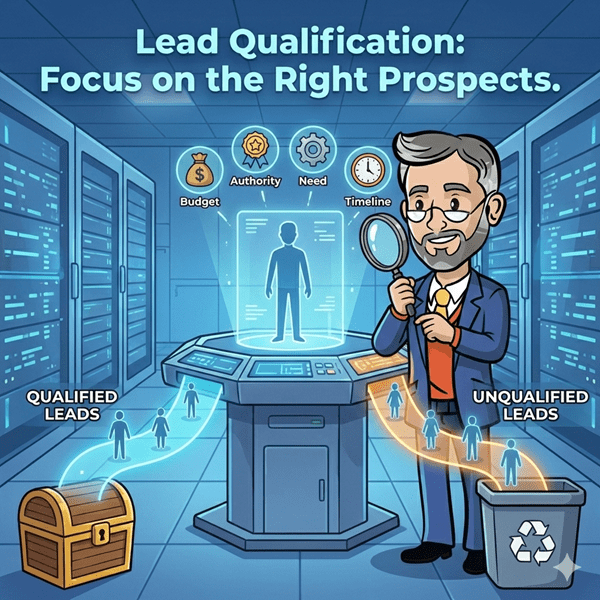
- Lead Source Analysis: The process of identifying and evaluating where your leads are coming from—such as social media, email, or search engines—to understand which channels are most effective.
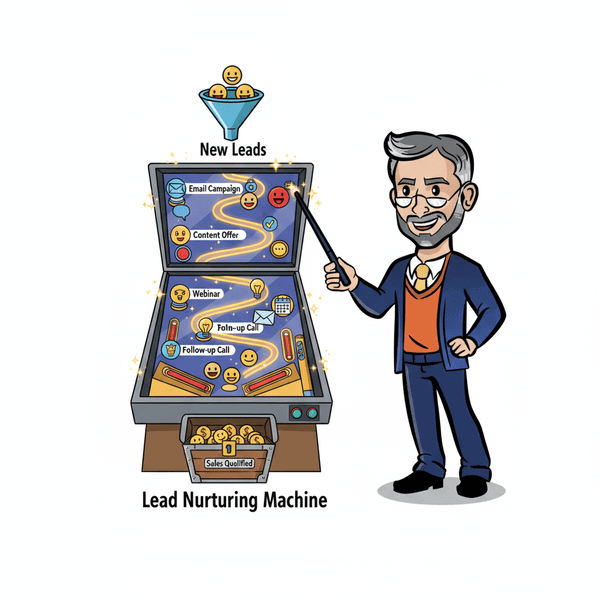
Read More> - Lead Nurturing: The process of building relationships with potential customers by providing relevant content and personalized communication throughout their buying journey.
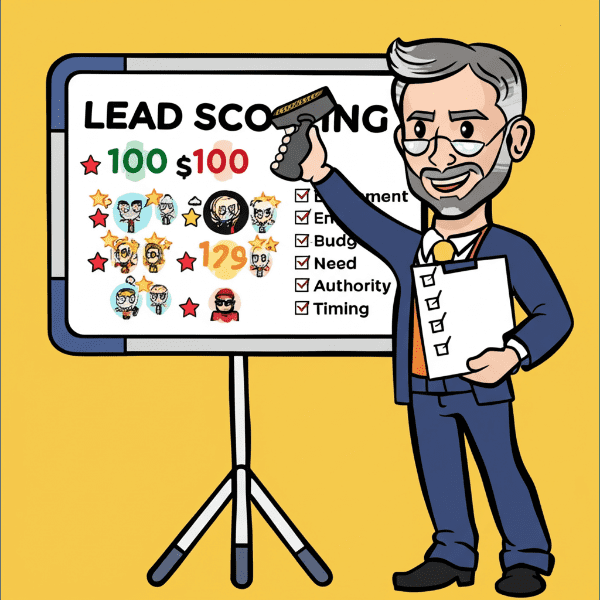
Read More> - Lead Scoring Model: A system that ranks leads based on their likelihood to convert, using criteria like engagement, demographics, and behavior to prioritize sales efforts.
Read More> - Demand Curve Analysis:
What is demand curve analysis? Learn how businesses use pricing data to map customer demand, set optimal prices, and increase revenue.
Read More> - Edge Computing:
What is edge computing? Learn how processing data closer to the source enables faster, smarter, and more secure digital experiences.
Read more › - Multi-Channel Lead Generation: The process of attracting prospects through multiple platforms, such as email, social media, and search, to maximise reach and conversions.
Read More>
Useful Posts
(From the Sales Funnel Professor Blog)
- Top of Funnel: Organic Social Strategies: Learn how to build brand awareness using unpaid social media content and outreach.
Read More> - SEO Top of Funnel Strategies: Dive into organic tactics that increase visibility at the awareness stage without a paid budget.
Read More> - How to Find Low-Hanging Fruit in Sales & Marketing: Discover practical ways to identify quick wins and easy-to-implement strategies that don’t require a big spend.
Read More>