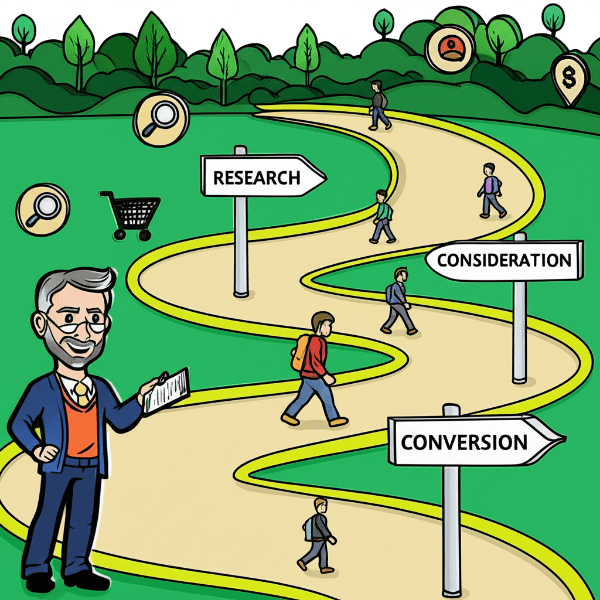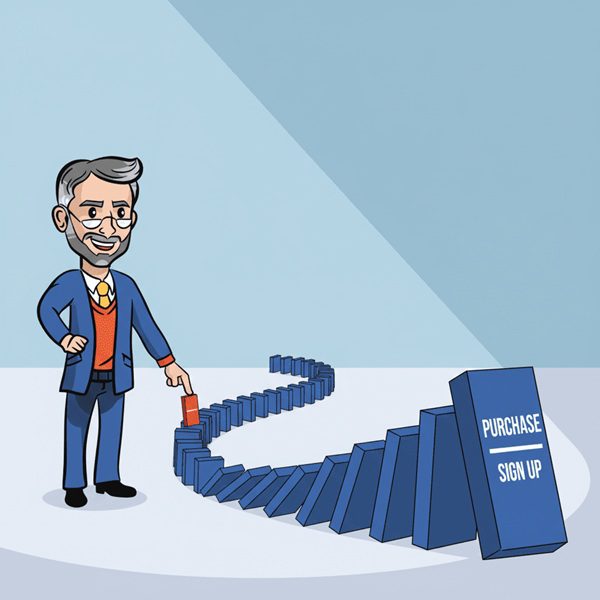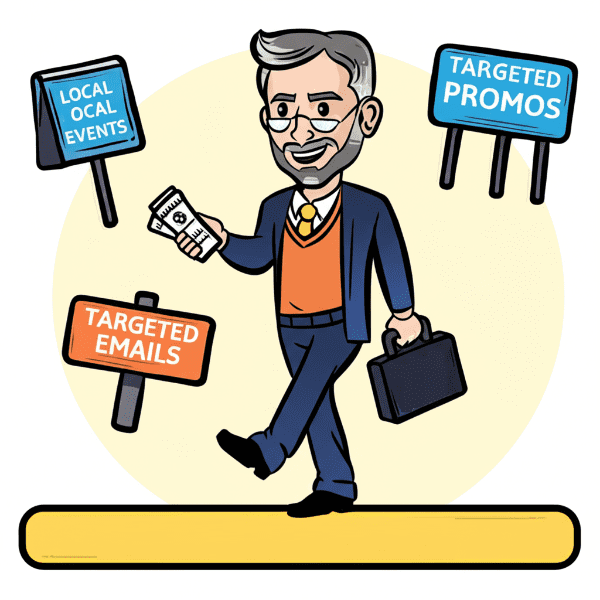

Definition: The buying cycle refers to the step-by-step journey a potential customer takes before making a purchase. It typically includes five key stages: awareness, consideration, evaluation, decision, and post-purchase. Understanding this cycle helps marketers deliver the right message at the right time to move prospects toward conversion.
Unlike impulsive purchases, the buying cycle emphasizes how customers gradually build trust, compare options, and assess value before committing to a purchase—especially in B2B or high-ticket consumer decisions.
Use It In a Sentence: By mapping content to each phase of the buying cycle, we nurtured leads more effectively and shortened our sales timeline.
Key Components of the Buying Cycle
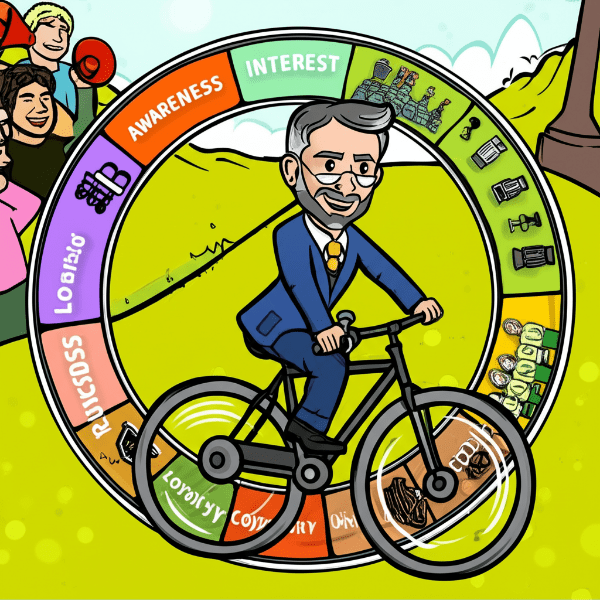
- Awareness Stage: The customer realizes they have a problem or need.
- Consideration Stage: They begin researching potential solutions and brands.
- Evaluation Stage: They compare offers, read reviews, and weigh pros and cons.
- Decision Stage: They choose a provider and make the purchase.
- Post-Purchase Stage: Follow-up support, satisfaction, and potential upsell opportunities.
Why the Buying Cycle Matters
- Improves Lead Nurturing: Helps tailor content and messaging to each stage of the journey.
- Increases Conversion Rates: Builds trust and authority over time, leading to more confident decisions.
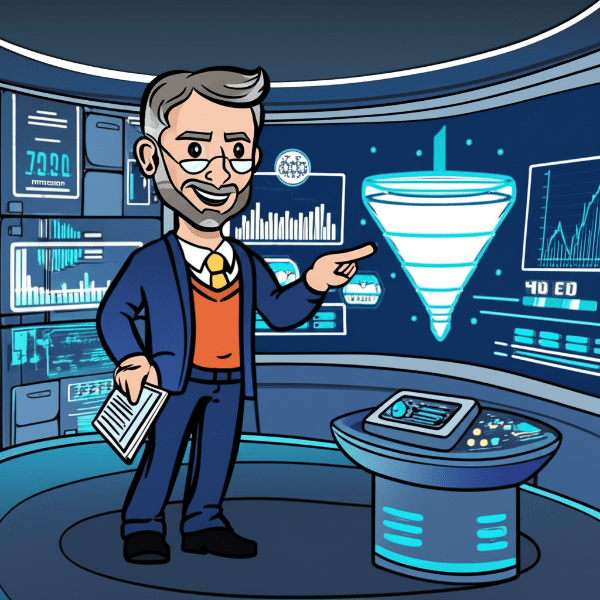
- Optimizes Funnel Strategy: Ensures each part of your funnel is aligned with customer behavior.
- Reduces Sales Friction: Prepares leads with information and social proof before they talk to sales.
How to Align Marketing with the Buying Cycle
- Create Stage-Specific Content: Use blog posts, lead magnets, webinars, and demos based on stage.
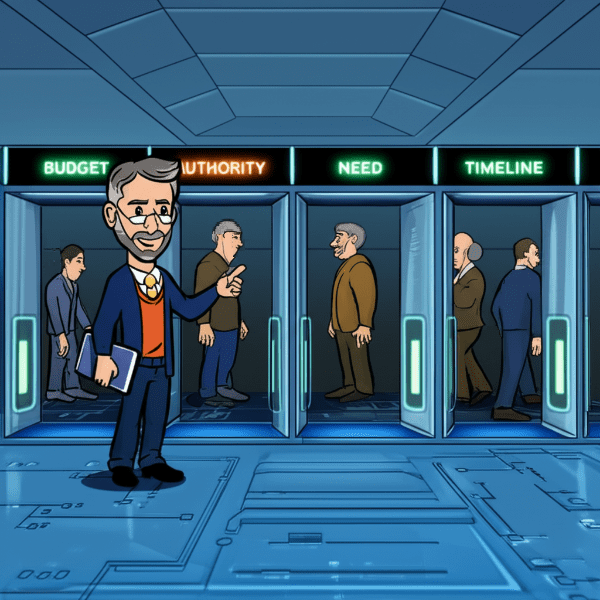
- Segment Your Audience: Use behavior-based tracking to identify where leads are in their journey.
- Automate Nurturing Sequences: Trigger email workflows and retargeting ads based on user activity.
- Use Multi-Touch Attribution: Track how each asset or touchpoint contributes to conversion.
- Monitor & Adjust: Continuously test and refine based on engagement and conversion data.
Master the Buying Journey with Our Funnel Training
Our Sales Funnel course teaches you how to understand and leverage the buying cycle to guide prospects from curiosity to conversion. Get the skills you need to align your marketing with real customer behavior.
More Definitions
- Customer Buying Lifecycle
- Pipe Stages
- Sequences
- Sales Qualification
- Demand Harvesting
- Peer-to-Peer Marketing
- Customer Data Platform (CDP)