
Understanding Zero-Cost Marketing
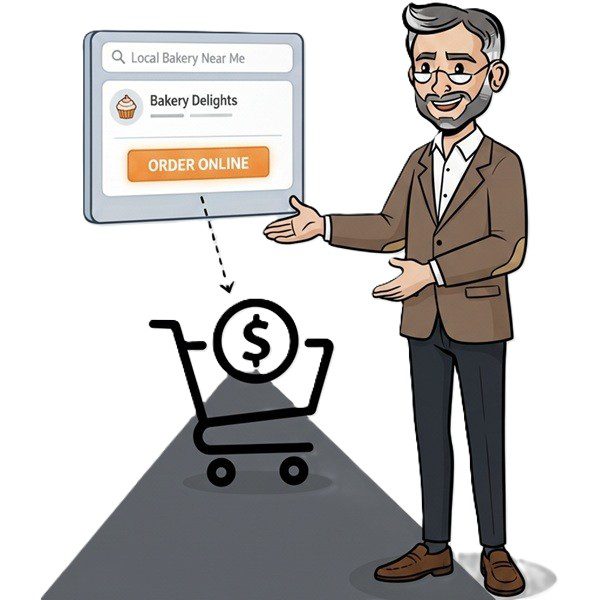
Definition: Zero-cost marketing involves promoting your products or services without any direct financial expenditure. Instead of allocating funds to advertising, businesses leverage free or low-cost channels to reach their target audience. This approach is especially valuable for startups and small businesses looking to grow on a budget.
Example in a Sentence: The entrepreneur grew her online store using zero-cost marketing techniques like social media engagement, SEO, and email newsletters—without spending a dollar on ads.
Why Is Zero-Cost Marketing Important?
1. Maximizes Budget Efficiency
Zero-cost marketing is ideal for lean teams, early-stage startups, and bootstrapped founders who want to grow without ad spend. Every action contributes to compounding, long-term brand equity.
2. Builds Authentic, Trust-Based Engagement
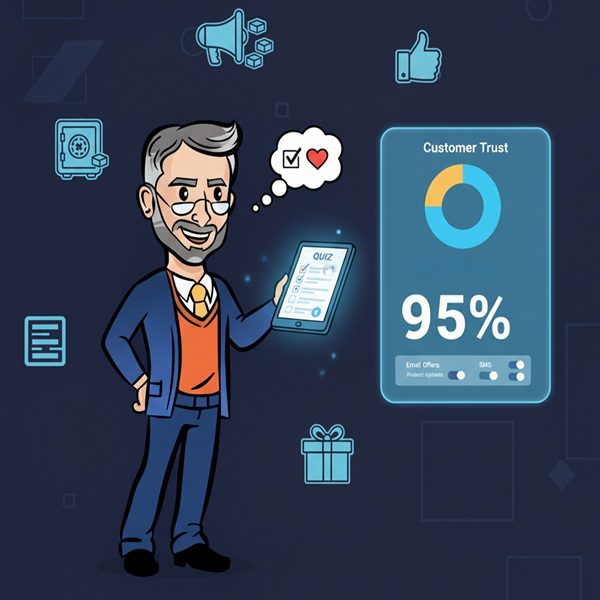
Organic marketing methods—like community building and educational content—encourage genuine customer relationships and social proof.
3. Creates Scalable, Long-Term Growth
Unlike paid campaigns that stop when the budget ends, zero-cost marketing assets (like blog posts, SEO content, and backlinks) continue driving leads over time.
4. Encourages Creative Agility
With no financial risk, businesses can experiment quickly, test new formats, and adapt based on audience feedback.

Best Practices
1. Content Marketing
Use blog posts, videos, or infographics to attract your audience. Educational and helpful content positions your brand as a trusted authority.
2. Search Engine Optimization (SEO)
Enhance your visibility by optimizing website content with relevant keywords, strong metadata, and internal linking.
3. Social Media Engagement
Interact directly with your audience via organic social content. Prioritize consistency and meaningful conversations.
4. Email Marketing
Build an email list and send regular value-driven updates to nurture your audience and drive engagement.
5. PR and Media Outreach
Get featured on podcasts, blogs, or online publications by pitching your brand story or unique expertise.
6. Referral and Word-of-Mouth Programs
Encourage loyal customers to promote your business. Incentivized referral programs can grow your reach organically.
7. Community Participation
Join relevant forums, Slack groups, or local meetups to establish credibility and build relationships.
More Definitions
(From the Sales & Marketing Jargon Encyclopedia)
- Zero-Cost Advertising: Marketing strategies that generate exposure without spending money on paid ads.
- Zero-Click Search Results: SERP features that provide instant answers, eliminating the need to click on a website link.
Useful Posts
(From the Sales Funnel Professor Blog)
- Defining Your Bank Marketing Strategy: Explore foundational steps to align your marketing message with customer needs.
- Credit Union Marketing: 7 Tips to Stand Out from Banks: Learn how CUs can compete by doubling down on member-first marketing.
- 10 Tips to Tighten Up Your Software Sales Pitch: Improve your pitch delivery and clarity with these tactical refinements.
- Top ‘Must Have’ Bank Marketing Ideas That Move The Needle: Discover top must-have bank marketing ideas that drive real results and boost customer engagement.
- Scalable Local Marketing Frameworks for Multi-Location Brands: Managing marketing across multiple locations is complex. This guide breaks down scalable local marketing frameworks.