
What Are Looky-Loos?
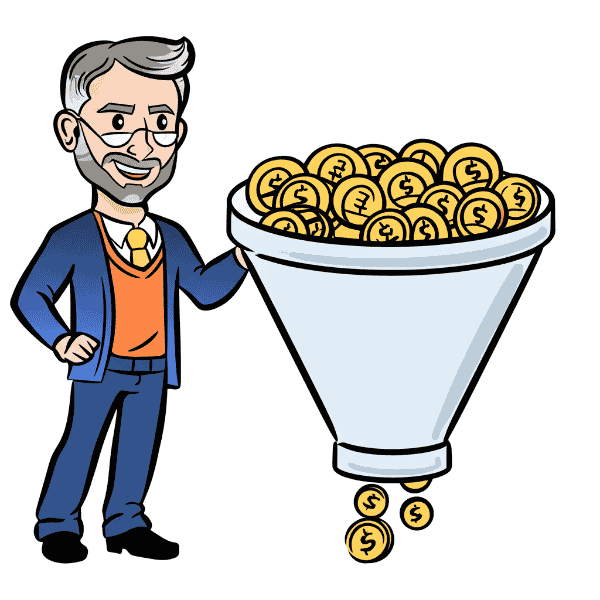
Looky-loos are people who browse, ask questions or request information but have little or no real intention of buying, at least not now.
In sales, they show up as showroom browsers, open house visitors, free-trial collectors and form-fillers who never answer the phone. They take up sales time without moving toward a purchase.
In everyday American English, a looky-loo is a curious onlooker, the kind of person who slows down to stare at a car accident. Merriam-Webster labels the word informal and often disparaging, and lists “lookie-loo” as the main spelling with “looky-loo” as a variant.

Looky-Loos in a Sentence
Our showroom had 40 visitors on Saturday, but 38 were looky-loos who came for the free espresso and stayed for the massage chairs.
Key Takeaways
- Looky-loos look like prospects but aren’t ready, able or willing to buy. The cost is the sales time they soak up.
- Not every looky-loo is a lost cause. Some are early researchers who will buy later, so the goal is to sort them, not insult them.
- Fast, polite qualification is the cure. A few questions about need, timeline and budget separate buyers from browsers.
- Give browsers a self-serve path, like content, pricing pages and email nurturing, so your salespeople can focus on buyers.
How Looky-Loos Work
Looky-loos enter your funnel the same way buyers do. They visit the website, fill out a form, walk into the store or book a demo. The difference is what happens next. A buyer has a problem, a timeline and a way to pay. A looky-loo has curiosity.
That’s not always a bad thing. Most buying starts with quiet research. Gartner research shows that B2B buyers typically spend only 17% of their time meeting with potential suppliers when they’re considering a purchase. Much of the rest is research on their own. So an early browser might be a real buyer who just isn’t ready to talk yet.
The job is to sort people quickly and send each group down the right path.
- Watch for the signals. Common looky-loo signs include no clear problem, no timeline, no answer when you ask about budget, no involvement from the person who makes the decision, and a habit of asking for “everything in writing” without agreeing to a next step.
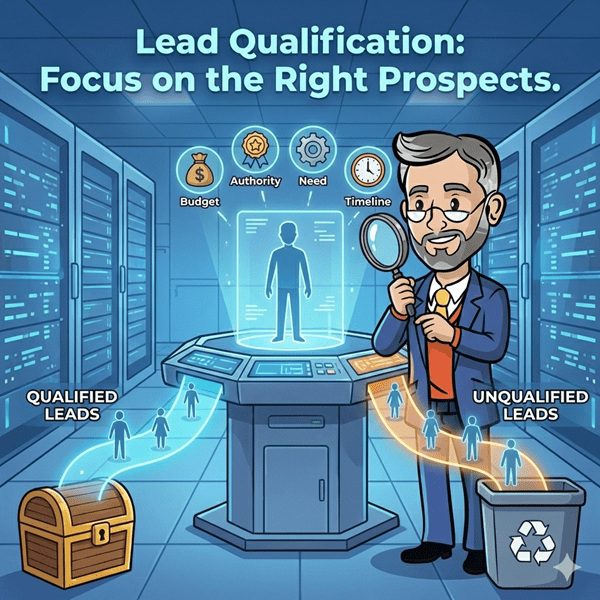
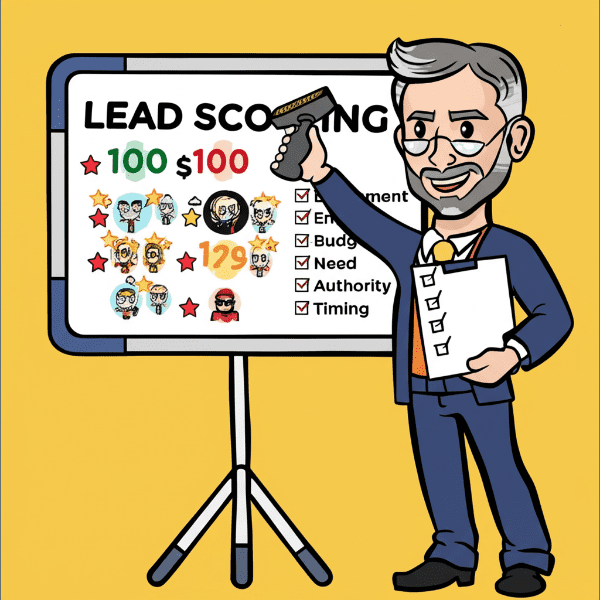
- Qualify early and politely. Use sales qualification before you invest serious time. A framework like BANT, which checks budget, authority, need and timing, works well for a short screening call.
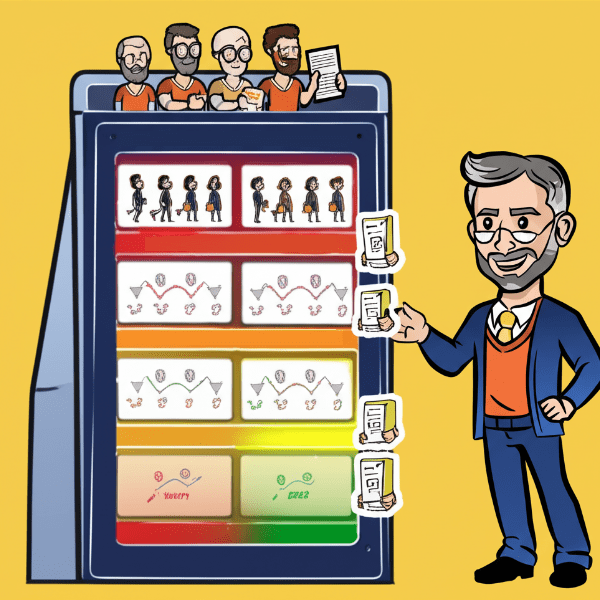
- Score what you can automatically. A lead scoring model can rank leads by fit and behavior, so pricing-page visits and demo requests rise to the top and casual content downloads don’t.
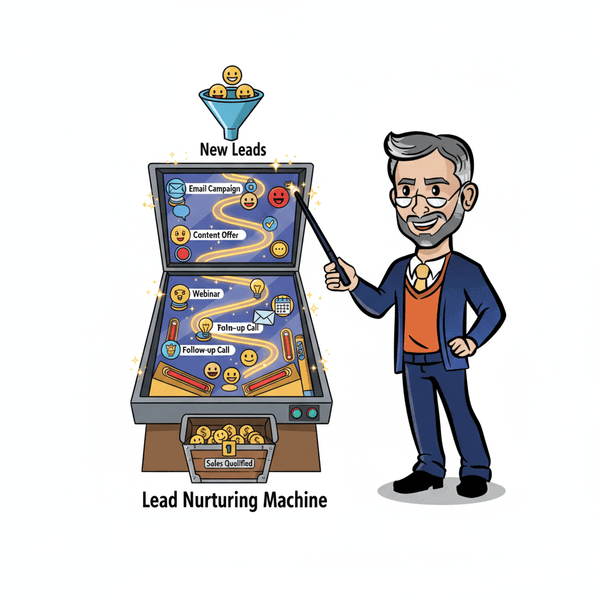
- Route each person to the right path. Send ready buyers to sales right away. Send “not yet” browsers into lead nurturing with useful emails and content. Politely close the loop with people who will never fit.
- Measure the time. Track how many sales hours go to leads that never become opportunities. A simple formula helps:
Looky-loo time share = sales hours spent on leads that never qualify ÷ total sales hours
If that number is high, tighten your screening or your lead sources before you hire more salespeople.
Looky-Loos Example
Imagine Summit Kitchens, a remodeling company that offers free in-home design consultations. It gets about 100 inquiries a month. Each consultation takes a designer about 2 hours, including travel.
At first, Summit books a consultation for everyone. That’s 200 designer hours a month. Suppose 10 of those 100 households sign a project. The other 90 visits include many looky-loos: people who were “just curious what it would cost,” renters who can’t remodel and homeowners with no timeline.
Summit adds a 10-minute phone screen before booking. It asks three questions: Do you own the home? When do you want the work done? What budget range are you planning for?
Suppose 40 inquiries pass the screen and get a consultation, which takes 80 designer hours. The 100 phone screens take about 17 hours. Total: roughly 97 hours instead of 200.
The other 60 aren’t thrown away. They get a design guide, a monthly email and an invitation to a showroom open house. Suppose the 40 consultations still produce 10 projects, and 2 more nurtured homeowners come back ready to buy a few months later.
Summit wins slightly more work with about half the designer time.
These are made-up round numbers. They only show how the concept works and are not real results.
Common Looky-Loos Mistakes
1. Treating every browser as a hot lead. Giving full sales attention to everyone burns your team’s time and pulls them away from real buyers. How to avoid it: Add a short qualification step before demos, consultations or custom quotes, and only give the full treatment to people who pass.
2. Being rude to people who aren’t ready. Brushing off a browser feels efficient, but today’s looky-loo may be next year’s buyer or may tell a friend about how they were treated. How to avoid it: Be friendly and helpful, then point “not yet” visitors to self-serve content and a nurture sequence instead of a sales call.
3. Making it hard to self-serve. Hiding prices and basic answers behind a “contact us” form forces casual browsers into your sales pipeline. How to avoid it: Publish clear pricing or price ranges, FAQs and comparison pages, so browsers can answer their own questions without tying up a salesperson.
4. Blaming leads instead of the source. If a channel keeps sending looky-loos, the problem is often the targeting or the offer, not the people. How to avoid it: Track which channels and campaigns produce qualified leads, and shift budget away from those that mostly attract browsers.
Next Step
Want help putting this into practice in your funnel? Book your free strategy session with Sales Funnel Professor.
Looky-Loos FAQs
What Does Looky-Loo Mean?
A looky-loo is someone who looks without intending to act. In everyday use, it means a curious onlooker, like a driver who slows down to stare at an accident. In sales, it means a person who browses, asks questions or requests information but has no real plan to buy. The term is informal and a little disparaging, so use it with your team, not your customers.
What Is the Difference between Looky-Loos and Tire Kickers?
Many salespeople use the two terms interchangeably. When people do draw a line, looky-loos mostly browse and look around, while tire kickers dig deeper. Tire kickers ask detailed questions, request demos or quotes and sometimes negotiate, then still don’t buy. Both cost sales time, but tire kickers usually cost more because they get further into your process.
How Do You Spot a Looky-Loo?
Look for missing basics. A looky-loo often can’t describe a specific problem, has no timeline, avoids questions about budget, isn’t the decision maker and won’t agree to a concrete next step. Behavior helps too. Someone who downloads content but never visits your pricing page or replies to follow-ups is usually browsing. Ask a few direct, friendly questions early to find out.
Should You Ignore Looky-Loos?
No, but you shouldn’t spend sales time on them either. Some looky-loos are simply early in their research and will buy later. Give them an easy way to keep learning, like helpful content, a newsletter or an open house. Keep your salespeople focused on qualified buyers. Then let your nurturing process tell you when a browser becomes ready.
What Is a Looky-Loo in Real Estate?
In real estate, a looky-loo is someone who tours homes or visits open houses without any real plan to buy. They might be curious neighbors, people dreaming about a future move or buyers who aren’t financially ready. Agents often handle them by asking about financing and timeline early, and by collecting contact details so they can follow up if the person becomes a serious buyer.
Related Terms
- Tire Kickers – A close cousin of looky-loos, describing prospects who engage deeply but still never buy.
- Sales Qualification – The process that separates real buyers from looky-loos before your team invests serious time.
- BANT – A simple qualification framework that checks budget, authority, need and timing to screen out browsers.
- Lead Scoring Model – A system for ranking leads by fit and behavior so likely looky-loos drop to the bottom of the list.
- Lead Nurturing – The follow-up path for browsers who aren’t ready yet but might buy later.
- Qualified Lead – The opposite of a looky-loo, a lead with a real need and the ability to buy.