

Understanding Brand Equity
Brand Equity refers to the value a brand adds to a product or service, stemming from consumer perceptions, recognition, and trust. It represents the premium that customers are willing to pay for a branded product over a generic equivalent due to their positive associations and experiences with the brand.
Example in a Sentence:
Apple’s strong brand equity allows it to command higher prices for its products compared to competitors.
Why It Matters
A well-developed brand presence creates lasting impact. Here’s why:
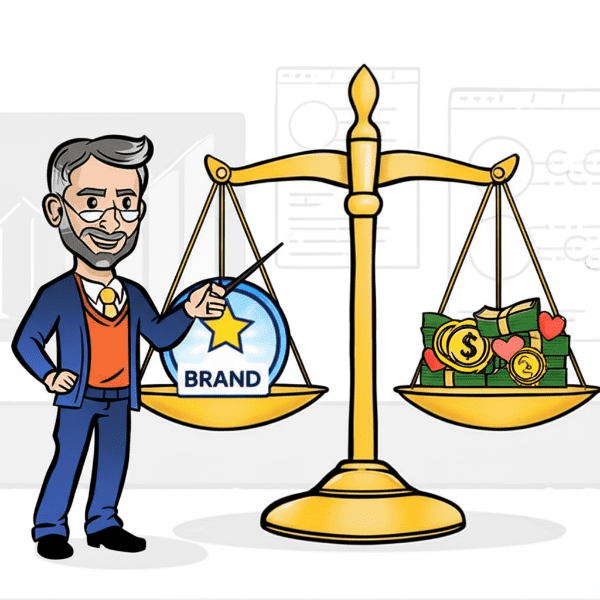
- Higher Margins – People are willing to pay more for products from names they know and trust.
- Stronger Loyalty – Customers are more likely to return when their experience consistently meets expectations.
- Easier Product Launches – Established names face less resistance when entering new markets.
- Standing Out – A trusted brand is harder to ignore and easier to recall—no matter the competition.
What Makes a Brand Valuable
To increase your company’s perceived value, focus on:
- Awareness – Ensure your name is known and recognized in your market.
- Associations – Create positive impressions tied to quality, innovation, or service.
- Customer Retention – Keep your customers coming back through exceptional experience.
- Perceived Quality – Deliver on your promises and exceed expectations.
- Legal Assets – Protect your brand identity through trademarks and patents.
Smart Strategies to Build Trust and Recognition
Looking to elevate your positioning? Start here:
- Stay Consistent – Present the same values and visuals across every touchpoint.
- Market Smartly – Use targeted messaging to highlight what makes you unique.
- Engage Customers – Respond to feedback and provide tailored service to boost satisfaction.
- Use Extension Wisely – Introduce new offerings that complement your brand, not confuse it.
- Protect What You’ve Built – Safeguard names, logos, and content that define your brand.
More Definitions
(From the Sales & Marketing Jargon Encyclopedia)
- Brand Extension: A marketing strategy where a company uses its established brand name to introduce new products in different categories.
- Cross-Channel Marketing: Coordinating marketing efforts across different channels to create a seamless customer experience.
- Brand Loyalty: The tendency of consumers to continuously purchase one brand’s products over another.
- Co-hosting: Partnering with another brand or individual to jointly run an event, webinar, or campaign.
Useful Posts
(From the Sales Funnel Professor Blog)
- Neil Bainton: Mailchimp’s Origin & Focusing on What Matters When Taking Technology to Market: Insights into Mailchimp’s journey and the importance of focusing on core brand values.
- How Does 3D Proofreading Help Startups?: Exploring the role of meticulous content review in building a credible brand image.