
Table of Contents
What is Growth Consulting and How Does it Serve Sales and Marketing Leaders?
Why Sales and Marketing Leaders Seek External Growth Expertise
Core Areas of Growth Consulting for Sales and Marketing Functions
The Growth Consulting Process: A Framework for Accelerated Performance
Tangible Outcomes and ROI of Engaging Growth Consultants
Choosing the Right Growth Consulting Partner
Growth Consulting: A Strategic Investment for Future-Proof Performance
Futher Reading
As a strategic business advisor, I frequently encounter talented sales and marketing leaders who have built strong teams and achieved commendable results. Yet, despite their best efforts, they find themselves facing a common, frustrating challenge: growth has stalled. Initiatives that once yielded impressive returns now feel less effective. Internal resources are stretched thin. The path forward isn’t as clear as it once was.
If this scenario resonates with you, you’re not alone. Leading growth in today’s complex, dynamic market requires not just operational excellence, but also sharp strategic vision and the ability to execute significant shifts. This is precisely where growth consulting offers a powerful solution.
This article will explore what growth consulting is, how it differs from general business consulting, why sales and marketing leaders turn to this external expertise, and the tangible benefits you can expect from a structured engagement focused squarely on performance improvement and accelerated, sustainable revenue growth. The key takeaway here is that growth consulting provides external expertise and structured frameworks to help sales and marketing leaders identify and execute strategies for accelerated, sustainable performance improvement.
What is Growth Consulting and How Does it Serve Sales and Marketing Leaders?
At its core, growth consulting is a specialized form of strategic consulting focused specifically on identifying opportunities for revenue acceleration and market expansion, and then developing and supporting the execution of plans to capitalize on those opportunities. It goes beyond incremental improvement, aiming for significant, measurable shifts in performance.
Defining Growth Consulting in the Context of Business Performance Improvement
Growth consulting, unlike broader strategic or operational consulting, has a singular focus: top-line revenue growth and expansion. While it may touch upon operations or overall business strategy, every recommendation and action is directly tied back to unlocking new avenues for increasing sales and market share. This means dissecting existing sales funnels, analyzing marketing effectiveness, exploring new markets, optimizing pricing strategies, and improving customer retention – all with the explicit goal of accelerating growth.
Distinguishing Growth Consulting from General Business Consulting
General business consulting can cover a vast spectrum, from organizational structure and cost reduction to M&A integration and IT systems. While these areas can indirectly support growth, their primary objectives may differ. Growth consulting, by contrast, is laser-focused. It starts with the fundamental question: “How can this business achieve faster, more sustainable, and more profitable growth?”
This distinction is vital for sales and marketing leaders. When facing specific growth challenges, you need expertise that understands the intricacies of market dynamics, customer acquisition, lead generation, sales processes, and branding, rather than generalist business advice.
Focus on Measurable, Accelerated, and Sustainable Revenue Growth
The emphasis in growth consulting is on results that are:
Measurable: Strategies must be trackable with clear KPIs, demonstrating impact on revenue, conversion rates, market share, etc.
Accelerated: The goal isn’t just slow, steady progress, but often achieving growth targets faster than the current trajectory.
Sustainable: Solutions aren’t quick fixes but build capabilities, processes, and strategies that continue to drive growth long after the engagement concludes.
For sales and marketing functions, this translates directly into improving metrics like MQL-to-SQL conversion rates, average deal size, sales cycle length, customer lifetime value (CLV), marketing ROI, and ultimately, overall revenue growth.
The Role of External Consultants in Bringing Objective Analysis and Expert Advice
One of the most significant values of engaging a growth consulting partner is the external perspective they provide. Internal teams are often deeply immersed in the day-to-day operations, which, while necessary, can sometimes lead to blind spots or unconscious biases. An external consultant brings a fresh, objective view.
They are not subject to internal politics or historical assumptions. They can look at your data, processes, and market position with unbiased eyes. Furthermore, experienced growth consultants have seen what works and what doesn’t across multiple companies and industries. They bring battle-tested frameworks, best practices, and specialized knowledge that may not exist within your organization. This expert advice is crucial for navigating complex business challenges and developing effective business strategy.
Overview of the Specific Value Proposition for Sales and Marketing Functions
For sales and marketing leaders, the value proposition of growth consulting is clear: it provides a structured, expert-driven approach to overcoming growth obstacles and capitalizing on opportunities. It helps you move beyond reactive measures to proactive, data-informed strategic planning.
Whether it’s refining your sales strategy, overhauling your marketing strategy, improving operational efficiency within your teams, or developing a completely new go-to-market plan, growth consulting offers the frameworks and support needed to achieve significant performance improvement and realize ambitious revenue growth goals.
Why Sales and Marketing Leaders Seek External Growth Expertise
Even highly competent sales and marketing organizations can hit performance ceilings. Recognizing when external expertise is needed is a sign of strong leadership. Leaders typically turn to growth consulting when they face specific challenges that require a level of objectivity, specialized knowledge, or dedicated capacity that is difficult to muster internally.
Addressing Stalled Growth or Performance Plateaus
Perhaps the most common trigger for seeking growth consulting is persistent, stalled growth. You’re working hard, running campaigns, managing your sales team, but the numbers just aren’t moving the way they should be.
Identifying Common Indicators of Growth Stagnation: Are you seeing declining revenue or stagnant market share? Is your lead volume plateauing, or are conversion rates slipping? Are your sales cycles getting longer, or is forecast accuracy declining? These are classic indicators that your current approach may have hit its limits. An experienced growth consultant can help you identify the root causes of these issues, which are often multifaceted, involving everything from market shifts to internal process inefficiencies.
Lack of Internal Capacity or Expertise for Significant Strategic Shifts: Often, internal teams are fully consumed by hitting current targets. Undertaking a major strategic planning initiative, like redefining your ideal customer profile or implementing a new sales methodology, requires dedicated time, specialized analytical skills, and experience in change management that busy operational teams simply don’t have. Growth strategy consulting provides that dedicated bandwidth and expertise.
Need for a Fresh Perspective on Persistent Business Challenges: Sometimes, internal teams become so accustomed to certain processes or assumptions that they can’t see alternative solutions. An external business consultant brings an outsider’s perspective, free from internal history or biases, which can be invaluable in identifying novel approaches to long-standing business challenges.
Navigating Complexity and Market Disruption
The market landscape is constantly evolving. New technologies emerge, customer behaviors shift, and competitive pressures intensify. Navigating this complexity requires specialized knowledge.
Responding to Changing Customer Behaviors and Market Dynamics: How are your customers’ buying journeys changing? Are new digital channels becoming dominant? Understanding these shifts requires deep market analysis and the ability to adapt your marketing strategy accordingly. Marketing growth consulting can provide insights into these trends and help you restructure your approach.
Adapting to New Technologies and Competitive Pressures: Implementing AI in sales forecasting, leveraging account-based marketing platforms, or responding to aggressive moves by new competitors demands expertise that your team might not possess internally. Competitive analysis conducted by a growth consultant can reveal strategic vulnerabilities and opportunities.
Requirement for Specialized Knowledge in Specific Growth Levers: Perhaps you need to optimize your pricing model, build out a channel partner program, or significantly improve your SEO performance. These areas often require specialized knowledge that isn’t part of the core competencies of a general sales or marketing team. Sales growth consulting or marketing growth consulting can provide deep expertise in these specific levers.

Gaining Objective Analysis and Validation
Internal analysis, no matter how well-intentioned, can be influenced by internal perspectives. Leaders seek growth consulting for objective, data-driven insights.
Overcoming Internal Biases and Assumptions: Teams might hold onto beliefs about what customers want or why certain initiatives failed, even if data suggests otherwise. A consultant can challenge these assumptions with data and provide an unbiased assessment of performance and potential.
Obtaining Data-Driven Insights and Strategic Planning Support: Growth consultants are skilled at collecting, analyzing, and interpreting vast amounts of data – sales data, marketing metrics, customer feedback, market trends. They translate this data into actionable insights that form the foundation of a robust strategic planning process.
Validating Potential Growth Strategies Before Significant Investment: Before committing substantial resources to a new market entry or a radical shift in sales strategy, leaders often want an independent, expert validation. Growth strategy consulting can provide this rigorous evaluation, reducing the risk of costly missteps.
Core Areas of Growth Consulting for Sales and Marketing Functions
While growth consulting has a unified goal – accelerating revenue – it manifests in specific ways across sales and marketing, often requiring specialized expertise. Understanding these core areas helps leaders identify the right kind of support for their particular challenges.
Sales Growth Consulting
Sales growth consulting focuses specifically on optimizing the people, processes, and technology involved in converting leads into paying customers and expanding existing relationships.
Optimizing Sales Strategy and Execution: This involves defining or refining your target customer segments, developing tailored value propositions for different buyers, optimizing your sales messaging, and ensuring your sales methodology aligns with how customers buy today.
Improving Sales Processes and Methodologies: Consultants analyze your entire sales funnel, from lead qualification to close. They identify bottlenecks, streamline workflows, and implement best practices from proven methodologies to improve efficiency and effectiveness.
Sales Team Performance Analysis and Improvement: This can involve analyzing individual and team performance metrics, identifying skill gaps, recommending training programs, optimizing territory design, and refining compensation structures to drive desired behaviors.
CRM Optimization and Sales Technology Integration: Consultants assess your current tech stack, ensure your CRM is configured to support your processes, and help integrate tools that enhance productivity, data visibility, and reporting.
Sales Forecasting and Pipeline Management: Improving the accuracy of sales forecasts and ensuring robust pipeline hygiene are critical for predictable growth. Consultants help establish clear pipeline stages, data entry standards, and forecasting methodologies.
Business Development Initiatives: Identifying and building relationships with strategic partners, developing referral programs, or exploring new distribution channels are all areas where sales growth consulting can provide expert guidance and execution support.
Marketing Growth Consulting
Marketing growth consulting centers on enhancing the strategies and execution needed to attract, engage, and convert target audiences effectively, driving qualified leads and building brand equity.
Developing Comprehensive Marketing Strategy: This goes beyond campaign planning to defining your overall market positioning, brand narrative, target audience deep dives, channel strategy, and how marketing directly supports revenue growth objectives.
Enhancing Lead Generation and Conversion Funnels: Consultants analyze your entire marketing funnel, from awareness to MQL. They identify where prospects drop off, optimize landing pages, refine calls-to-action, and improve lead nurturing processes to increase conversion rates.
Optimizing Digital Marketing Performance (SEO, PPC, Content, Social): With deep expertise in digital channels, consultants can audit and improve your performance in search engine optimization (SEO), pay-per-click advertising (PPC), content marketing, social media engagement, and email marketing to maximize reach and impact.
Branding and Market Positioning Strategy: Ensuring your brand message resonates with your target audience and differentiates you from competitors is fundamental. Consultants help refine your positioning, develop compelling messaging, and ensure consistency across all marketing touchpoints.
Customer Segmentation and Targeting: Precisely identifying and understanding your most profitable customer segments is key to efficient marketing spend. Consultants use data to refine segmentation and develop highly targeted campaigns.
Marketing Technology Stack Evaluation and Implementation: Assessing your current marketing automation, analytics, and other tools, and helping you select, implement, and integrate the right technology to support your marketing goals is a crucial area of marketing growth consulting.
Integrated Growth Strategy Consulting
Often, the biggest growth opportunities lie at the intersection of sales and marketing. Integrated growth strategy consulting takes a holistic view, aligning these functions for maximum impact.
Aligning Sales and Marketing Strategies for Unified Revenue Growth: Ensuring sales and marketing work together seamlessly, from lead handoff processes to consistent messaging, is paramount. Consultants help define SLAs between teams and establish shared goals focused on overall revenue contribution.
Developing Go-to-Market Strategies for New Products or Markets: Launching successfully into new territory requires a cohesive strategy that integrates product positioning, sales readiness, and targeted marketing efforts. Growth strategy consulting provides the framework for this complex endeavor.
Strategic Planning Across the Entire Customer Lifecycle: Growth doesn’t stop at the first sale. Consultants look at the entire customer journey, identifying opportunities for upsell, cross-sell, and retention to maximize customer lifetime value, often involving both sales and marketing touchpoints.
Market Analysis and Competitive Analysis Informing Strategy: A comprehensive understanding of the external landscape – market trends, customer needs, and competitor strategies – is foundational. Consultants provide rigorous market analysis and competitive analysis to ensure your growth strategy is grounded in reality.
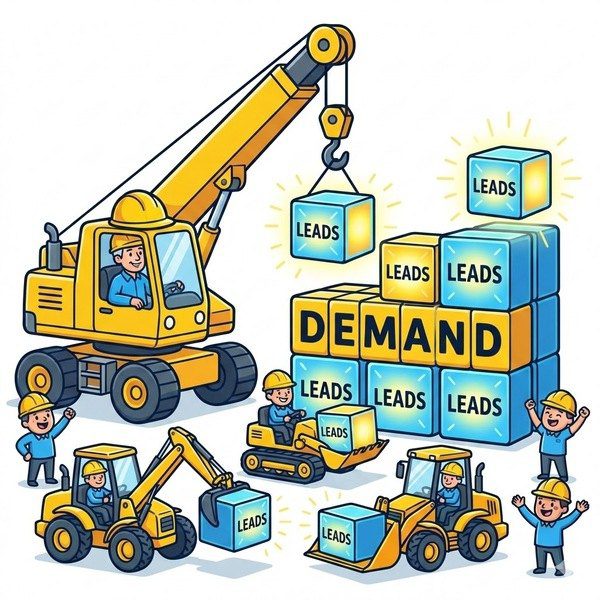
Identifying Cross-Functional Dependencies Impacting Growth: Growth is rarely solely a sales or marketing issue. It can be impacted by product development, customer success, or even finance. Consultants identify these dependencies and help align efforts across the organization to remove roadblocks.
This interconnected approach ensures that investments in sales growth consulting and marketing growth consulting aren’t made in silos but contribute to a unified, accelerating revenue growth trajectory.
The Growth Consulting Process: A Framework for Accelerated Performance
Engaging with a growth consulting firm typically follows a structured, phased approach designed to move from understanding challenges to implementing solutions and measuring impact. This rigorous process is a key component of the expert advice and structured framework that consultants provide, contributing significantly to the E-E-A-T of the engagement.
Phase 1: Discovery and In-Depth Assessment
This initial phase is about gaining a deep understanding of your current situation, challenges, and opportunities. It’s foundational for building a relevant and effective growth strategy.
Understanding the Client’s Current State, Goals, and Business Challenges: Consultants invest time learning about your company’s history, mission, market position, and the specific growth goals you aim to achieve. They work to understand the business challenges that are hindering progress.
Comprehensive Data Collection and Analysis: This is a data-intensive phase. Consultants collect and analyze all relevant data: historical sales data, marketing metrics (website traffic, conversion rates, campaign performance), customer data (segments, churn rates, CLV), financial performance data, and any available operational data that might impact growth.
Market Analysis and Competitive Landscape Review: Understanding the external environment is critical. This involves analyzing market size and trends, identifying target customer segments, and conducting a thorough competitive analysis to understand competitor strategies, strengths, and weaknesses.
Internal Capabilities Assessment (People, Process, Technology): Consultants evaluate your internal resources. Do your teams have the right skills and structure? Are your processes efficient and scalable? Is your technology stack supporting or hindering your growth efforts? This assessment helps identify internal gaps.
Identifying Key Growth Bottlenecks and Opportunities: Based on the data and assessments, the consulting team identifies the primary reasons behind stalled growth (bottlenecks) and the most promising avenues for future acceleration (opportunities). This provides clarity on where to focus strategic efforts.
Phase 2: Strategy Development and Planning
Once the assessment is complete, the focus shifts to designing the roadmap for growth. This phase requires creativity, strategic thinking, and detailed planning.
Translating Assessment Insights into a Clear Growth Strategy: The findings from Phase 1 are synthesized into a cohesive narrative explaining why growth has stalled and where the biggest opportunities lie. This forms the basis for the new business strategy focused on growth.
Developing Actionable Strategic Initiatives: The overall strategy is broken down into specific, actionable initiatives. These could range from launching a new lead nurturing program (marketing) to implementing a new sales training program (sales) or developing a new pricing model.
Setting Clear, Measurable Objectives and Key Results (OKRs): For each initiative and the overall strategy, clear objectives are defined, along with specific, measurable key results that will indicate success. This ensures accountability and provides a framework for tracking progress.
Strategic Planning for Resource Allocation and Budget Alignment: The plan details the resources (people, budget, technology) required to execute the initiatives. Consultants help align budgets and allocate resources effectively to maximize the impact of the growth strategy.
Creating a Detailed Roadmap for Implementation: A phased roadmap is developed, outlining the sequence of initiatives, timelines, dependencies, and key milestones. This provides a practical guide for execution.
Focus on Growth Strategy Consulting Principles: This phase heavily relies on growth strategy consulting principles, ensuring that the developed plan is not only innovative but also practical, sustainable, and integrated across relevant functions.
Phase 3: Implementation Support and Enablement
Developing a brilliant strategy is only half the battle; execution is key. Growth consultants often provide support during the implementation phase to ensure the plan translates into real-world results.
Providing Guidance and Support During Strategy Execution: Consultants act as advisors during implementation, helping teams navigate challenges, make decisions based on the strategic framework, and stay on track.
Hands-on Assistance or Project Management Support for Key Initiatives: Depending on the engagement model, consultants may take a more active role, managing specific projects, piloting new processes, or even temporarily filling expertise gaps to ensure critical initiatives gain traction. This applies particularly to complex sales growth consulting or marketing growth consulting initiatives.
Training and Enablement for Sales and Marketing Teams: For new strategies or processes to succeed, teams need to be equipped with the right skills and knowledge. Consultants can develop and deliver training programs, coaching, and workshops.
Establishing Necessary Systems and Processes: Implementing new workflows, setting up reporting dashboards, or configuring technology platforms are crucial steps. Consultants provide expertise in establishing the operational backbone needed to support the new growth strategy.
Focus on Practical Application of Sales Growth Consulting and Marketing Growth Consulting Recommendations: This phase is about turning the strategic recommendations from sales growth consulting and marketing growth consulting into tangible actions and embedding them within the daily operations of the teams.
Phase 4: Performance Measurement and Optimization
The final, ongoing phase is about monitoring progress, analyzing results, and continuously refining the strategy based on performance data.
Defining Key Performance Indicators (KPIs) Aligned with Objectives: Ensuring the right metrics are being tracked is essential. Consultants help define KPIs that directly reflect the OKRs set in Phase 2, providing clear visibility into performance.
Establishing Reporting and Tracking Mechanisms: Setting up dashboards, reporting cadences, and data analysis processes ensures that performance data is accessible, accurate, and regularly reviewed by leadership and the teams.
Regular Performance Reviews and Analysis: Consultants facilitate regular reviews, analyzing performance against targets, identifying what’s working and what’s not, and diagnosing the reasons behind variances.
Iterative Adjustments and Optimization of Strategies Based on Results: Growth strategy is not static. Based on performance data and market feedback, consultants help teams make necessary adjustments, refine initiatives, and optimize resource allocation to maximize impact. This iterative approach is crucial for sustained performance improvement.
Ensuring Sustainable Growth Frameworks are Embedded: The ultimate goal is to leave the organization with the capabilities and processes to continue driving growth independently. This phase ensures that the reporting structures, data analysis skills, and strategic planning processes are fully embedded within the sales and marketing teams for sustainable growth.
This structured approach provides a clear path forward, transforming abstract goals into concrete actions and measurable outcomes.
Tangible Outcomes and ROI of Engaging Growth Consultants
Investing in growth consulting is an investment in your future performance. The returns are typically seen not just in immediate metric improvements but also in the development of long-term capabilities. Leaders look for quantifiable results and a clear return on investment (ROI).
Accelerating Revenue and Market Share Growth
This is the primary objective, and successful growth consulting engagements deliver measurable increases in top-line performance.
Quantifiable Improvements in Sales Pipeline and Conversion Rates: For example, a hypothetical client, a B2B software company struggling with low conversion rates from qualified leads, might see a 20% increase in MQL-to-Opportunity conversion and a 15% reduction in sales cycle length within six months of implementing recommended changes to their sales process and lead scoring model, directly attributable to the sales growth consulting engagement.
Increased Marketing-Generated Leads and Customer Acquisition: Consider a hypothetical e-commerce business with stagnant online sales. A marketing growth consulting project focused on SEO, PPC optimization, and conversion rate optimization (CRO) might lead to a 30% increase in qualified website traffic and a 10% improvement in overall conversion rate, resulting in significantly higher customer acquisition numbers.
Expansion into New Markets or Customer Segments: Imagine a company looking to enter a new geographic region or target a new industry vertical. Growth strategy consulting provides the market analysis and go-to-market plan, potentially leading to generating the first sales and achieving initial market penetration targets within the projected timeframe.
Achieving Ambitious Revenue Growth Targets: Ultimately, the aggregated impact of these improvements is accelerated revenue growth. Engagements are designed to help companies hit growth targets that were previously out of reach with their existing approaches.
Improving Operational Efficiency and ROI
Growth isn’t just about increasing revenue; it’s also about doing so profitably and efficiently. Growth consulting often reveals opportunities to optimize how sales and marketing resources are utilized.
Optimizing Sales and Marketing Spend for Higher Return on Investment: By analyzing performance data, consultants can identify which channels and activities are delivering the highest ROI and recommend shifting investment away from underperforming areas. This ensures your marketing budget and sales efforts are focused on the most effective levers, improving overall operational efficiency.
Streamlining Processes to Reduce Costs and Improve Productivity: Inefficiencies in sales handoffs, lead nurturing, or data management cost time and money. Consultants help streamline workflows, automate tasks where possible, and eliminate redundant activities, freeing up valuable resources.
Better Utilization of Technology and Data Assets: Many companies underutilize their CRM, marketing automation, or data analytics tools. Consultants ensure your technology stack is properly configured and integrated, and that teams are trained to leverage data effectively for decision-making, enhancing performance improvement.
Building Sustainable Capabilities
Perhaps the most lasting impact of a successful growth consulting engagement is the strengthening of the internal organization.
Developing Stronger Internal Sales and Marketing Expertise: Through training, coaching, and working alongside internal teams, consultants transfer knowledge and build skills within your organization, making your teams more effective and self-sufficient in driving future growth.
Implementing Robust Processes for Continuous Improvement: Consultants leave behind not just a plan, but also the frameworks and methodologies for ongoing performance analysis, strategic planning, and iterative optimization, embedding a culture of continuous performance improvement.
Fostering a Data-Driven Decision-Making Culture: By establishing clear KPIs, reporting mechanisms, and analytical processes, growth consulting helps instill a culture where decisions are based on data and insights, not just intuition or assumptions.
Examples of Results Achieved: While specific client names and numbers are confidential, experienced growth consultants can point to a track record across industries, such as helping SaaS companies reduce customer acquisition cost (CAC) by optimizing their digital funnels, or assisting manufacturing firms in shortening sales cycles for complex enterprise deals through targeted sales enablement. These are common outcomes stemming from expert advice and structured engagements.
The ROI of growth consulting extends beyond immediate revenue bumps to the long-term health and capability of your sales and marketing organizations.
Choosing the Right Growth Consulting Partner
Selecting the right partner is crucial for the success of any growth consulting engagement. It’s not just about finding technical expertise, but also about finding a firm or consultant whose approach and culture align with your organization. This selection process itself is a key E-E-A-T signal, as you are evaluating the credentials and experience of potential partners.
Identifying Consultants with Relevant Experience and Proven Track Record: Look for consultants or firms that have experience working with companies in your industry, of a similar size, or facing similar growth challenges. Ask for examples of past projects and results they’ve helped clients achieve. A proven track record demonstrates their Expertise and Authority.
Evaluating Specialization (Sales Growth Consulting, Marketing Growth Consulting, Industry Focus): Consider whether you need broad growth strategy consulting or specialized help in sales growth consulting or marketing growth consulting. Some firms specialize in specific areas, which can be beneficial if your challenges are concentrated in one function. Industry specialization can also mean they have a deeper understanding of your market dynamics.
Assessing Their Methodology and Approach to Growth: How do they conduct their assessments? What frameworks do they use for strategy development? How do they support implementation? Ensure their approach is data-driven, collaborative, and aligns with your organization’s way of working. A transparent and structured methodology is an Authoritativeness signal.
Understanding Engagement Models (Project-Based, Retainer) and Fee Structures: Clarify how they structure engagements – as a fixed project with a defined scope and timeline, or on a retainer basis for ongoing support. Understand their fee structure and ensure it aligns with your budget and expectations.
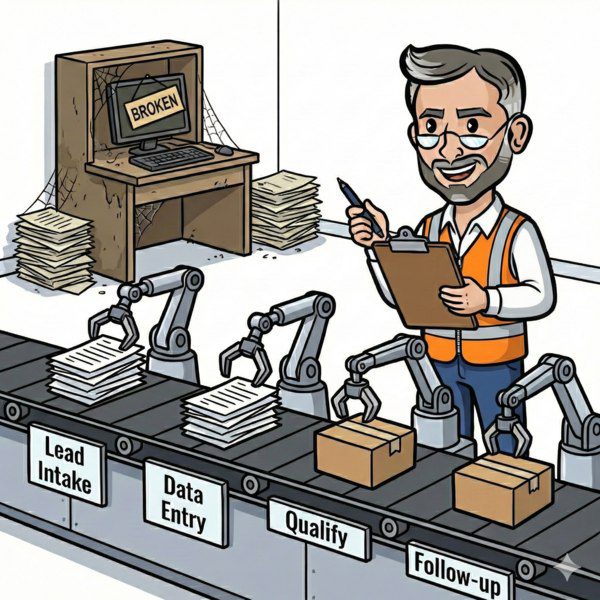
Importance of Chemistry and Cultural Fit: You and your team will be working closely with the consultants. A good working relationship and cultural fit are essential for open communication and effective collaboration. Don’t underestimate the importance of feeling comfortable and trusting your consulting partner.
Checking Credentials, Testimonials, and References: This is perhaps the most direct way to assess E-E-A-T. Review the consultants’ professional backgrounds and certifications. Ask for testimonials and speak directly with past clients (references) to understand their experience working with the firm and the results they achieved. This provides third-party validation of their Trustworthiness and the impact of their Experience.
Taking the time to thoroughly vet potential partners will significantly increase the likelihood of a successful and impactful growth consulting engagement.
Growth Consulting: A Strategic Investment for Future-Proof Performance
In conclusion, navigating the complexities of today’s market and achieving accelerated, sustainable growth is a significant challenge for sales and marketing leaders. Relying solely on internal resources, especially when facing plateaus or disruption, can limit potential.
Growth consulting represents a strategic investment. It brings the external expertise, objective analysis, and structured frameworks necessary to diagnose the root causes of stalled growth, identify the most promising opportunities, and develop actionable, data-driven strategies. It helps you move beyond incremental improvements to achieve step-change performance improvement and realize ambitious revenue growth goals.
The benefits extend far beyond immediate metric improvements. A successful engagement builds stronger internal capabilities, embeds more robust processes, and fosters a data-driven culture that can sustain growth long into the future. Whether your focus is on sales growth consulting, marketing growth consulting, or a comprehensive growth strategy consulting approach, the value proposition is clear: a strategic partnership designed to unlock your organization’s full growth potential.
If your sales and marketing teams are grappling with stalled growth, market shifts, or a lack of internal capacity for strategic initiatives, exploring growth consulting could be the catalyst you need to accelerate your performance and secure your future success.
Further Reading
- Inside Sales vs. Outside Sales: Choosing the Right Model
- What is ICP? A Guide to Creating Your Ideal Customer Profile
- How HubSpot Training Translates to Measurable Performance Gains
- HubSpot for Startups: An In-Depth Guide
- What do Gym Marketing Agencies Do Best? Unlocking Growth for Fitness Businesses