
Table of Contents
The Strategic Imperative: Why HubSpot Training is Essential for High-Performing Sales & Marketing Teams
Navigating the HubSpot Training Landscape: Finding the Best Path for Your Teams
Driving Measurable Sales Performance Gains Through Strategic HubSpot Training
Unlocking Marketing Efficiency & Amplifying Results with HubSpot Training
Building and Implementing a Successful HubSpot Training Program within Your Organization
Measuring the Real Impact: Tracking ROI and Performance Improvement from Training
Cultivating a Culture of Continuous Learning and HubSpot Mastery
Further Reading
Are your sales cycles stretching unnecessarily? Is your marketing team creating content that just isn’t converting leads effectively? As a sales or marketing leader, you’ve likely invested significantly in HubSpot, recognizing its potential to streamline operations and drive growth. But are your teams truly unlocking the platform’s full power? Or are they operating at a fraction of its capacity, hindered by knowledge gaps and inconsistent application?
You’re seeking concrete, actionable strategies to boost efficiency and achieve measurable results from your technology investments. This isn’t about simply ‘using’ HubSpot; it’s about strategically mastering it to gain a competitive edge. As your Strategic Advisor for Performance Improvement, my perspective is clear: targeted, results-oriented HubSpot training isn’t an optional perk – it’s a strategic imperative. This article will guide you through leveraging HubSpot training to significantly improve your team’s performance, efficiency, and overall return on investment.
The Strategic Imperative: Why HubSpot Training is Essential for High-Performing Sales & Marketing Teams
In today’s fast-paced digital landscape, businesses rely heavily on sophisticated platforms like HubSpot to manage customer relationships, automate workflows, and gain critical insights. However, the modern challenge many organizations face is the underutilization of their technology stack. Teams often grasp the basics but fail to harness the advanced features and strategic functionalities that deliver true leverage. This gap between basic platform use and strategic mastery is where significant performance potential is lost.
Identifying this skills gap is the first step in unlocking maximum ROI from your technology investments. Perhaps your sales team isn’t fully using the sales enablement tools to shorten follow-up times, or your marketing team isn’t segmenting lists effectively for personalized campaigns. These are not platform limitations; they are skill limitations. This is precisely where targeted hubspot training becomes not just beneficial, but crucial.
Effective training bridges these knowledge gaps, transforming passive users into proficient experts. It enhances individual capabilities and, more importantly, elevates collective team performance. When everyone understands how to best use the shared CRM, automation tools, and reporting features, collaboration improves, processes become more efficient, and the overall impact on the customer journey is amplified.
Linking training investment directly to competitive advantage and business growth requires a shift in perspective. View hubspot training not as an expense, but as an investment in human capital that directly impacts your ability to generate revenue, build relationships, and scale effectively. It’s about moving beyond simply knowing how to click buttons and moving towards understanding the why behind strategic workflows and leveraging the platform to execute sophisticated growth initiatives. This sets the stage for your teams to move beyond basic use to strategic mastery.
Navigating the HubSpot Training Landscape: Finding the Best Path for Your Teams
The good news is that HubSpot provides a robust ecosystem for learning. Understanding this landscape is key to choosing the right training paths tailored to your specific team needs and goals.
HubSpot’s primary and most comprehensive training resource is HubSpot Academy. This platform offers a vast library of free courses, lessons, and official certifications covering every aspect of the HubSpot platform and the inbound methodology. It’s an invaluable resource for building foundational knowledge and specialized expertise.
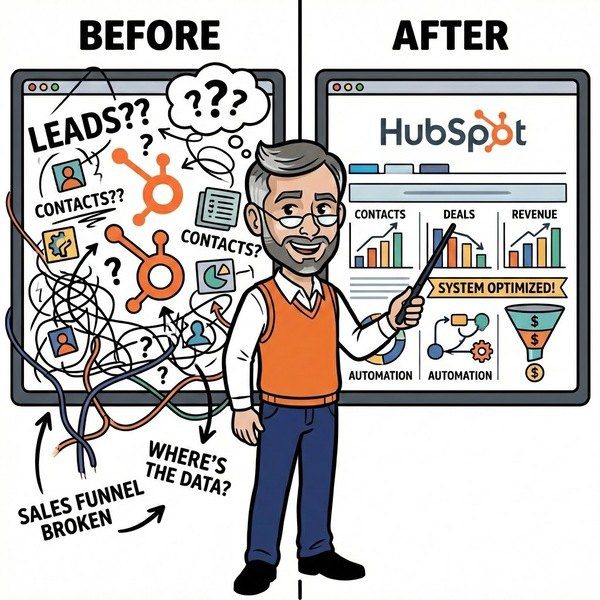
Exploring the breadth of free courses and certifications available on HubSpot Academy reveals options for every role and skill level. From introductory “HubSpot for Marketers” or “HubSpot for Sales” courses to highly specialized certifications in topics like Revenue Operations, CMS for Developers, or Service Hub Implementation, the academy provides structured learning paths. Identifying the best hubspot courses for your team means aligning the training content with specific job functions and desired outcomes. For sales professionals, this might mean focusing on CRM utilization, sales enablement features, and sales process optimization. For marketers, it’s likely centered around marketing automation, lead generation, content strategy, and analytics.
The value of official certifications cannot be overstated. They provide a standardized way to validate expertise, offering a clear benchmark for assessing individual and team proficiency. Encouraging team members to pursue relevant certifications can boost confidence and demonstrate a commitment to professional development.
While HubSpot Academy is the cornerstone, alternative and supplementary training options can provide added depth or customized approaches. HubSpot Partner-led training offers expertise often tailored to specific industries or complex use cases. Partners can provide hands-on workshops, customized implementation training, or strategic coaching sessions that go beyond the standard curriculum. Additionally, creating customized in-house training programs, perhaps leveraging internal experts or focusing on your company’s specific HubSpot setup and workflows, can reinforce learning and ensure practical application. Workshops, webinars, and active participation in the HubSpot community resources also offer valuable opportunities for continuous learning and staying updated on platform changes.
Choosing the right training format and depth requires a thorough assessment of your team’s roles, existing skill levels, and overarching business goals. A foundational team might benefit from broad introductory courses and core certifications (like Inbound or RevOps), while a more experienced team might need advanced training on specific Hub features or strategic concepts like account-based marketing within HubSpot. Examples of foundational certifications relevant for both sales and marketing teams include the Inbound Certification (essential for understanding the core methodology), the Revenue Operations Certification (critical for aligning revenue teams and processes), and specific Hub certifications like the Marketing Hub Implementation or Sales Hub Implementation certifications. Aligning the training choice with clear objectives ensures that the learning translates directly into applicable skills and performance improvements.
Driving Measurable Sales Performance Gains Through Strategic HubSpot Training
Improving sales performance is a top priority for any leader, and hubspot training offers a direct pathway to achieving this. Simply having access to HubSpot’s Sales Hub isn’t enough; your team needs to master it to leverage its full potential.
How HubSpot Training Directly Improves Sales Team Efficiency and Results
Strategic hubspot training for your sales team focuses on practical application within their daily workflows. Mastering the HubSpot CRM is foundational. This goes beyond just adding contacts; it involves effectively managing deal stages, utilizing custom properties for robust segmentation, logging activities consistently for clear historical context, and leveraging CRM views for quick access to critical information. Training on efficient CRM use streamlines contact and deal management, ensuring no opportunities fall through the cracks.
Leveraging sales enablement features within Sales Hub is another critical area where training delivers significant value. Features like templates, snippets, and sequences are designed to automate repetitive tasks and standardize communication. Proper training ensures your reps know how to effectively use these tools to send personalized emails quickly, respond to common questions efficiently, and automate follow-up sequences. The practical application here is clear: reducing administrative tasks frees up valuable selling time, allowing reps to focus on building relationships and closing deals. Training on effective use of sales automation within HubSpot can drastically cut down on manual data entry and follow-up reminders.
Training also significantly improves pipeline management, forecasting accuracy, and reporting. Learning how to properly manage deals through custom pipeline stages, utilize deal probability settings, and log accurate forecast data allows leaders to gain a clearer picture of the sales pipeline and make more informed decisions. Furthermore, training on utilizing reporting dashboards enables reps and managers to track individual and team performance post-training, identifying bottlenecks and celebrating successes based on real data points within the CRM.

Effective hubspot training also focuses on strategies for better lead qualification and handoff from marketing using HubSpot tools. When sales understands the lead scoring criteria set up by marketing and knows how to use views and automation within the CRM to identify and prioritize high-quality leads, the handoff becomes seamless and efficient.
Ultimately, how to improve sales performance with hubspot hinges on developing specific skills enabled by the platform. This includes modules on prospecting strategies using HubSpot data, optimizing the closing process within the CRM by leveraging deal workflows and task management, and sales process optimization aligned with the HubSpot pipeline stages. Training turns the platform from a data repository into an active tool for driving deals forward.
Consider a hypothetical scenario: A sales team was struggling with slow follow-up times and inconsistent communication. After targeted HubSpot training focused on utilizing email templates, snippets, and sales sequences within Sales Hub, reps reduced the time spent on initial outreach and follow-up by 30%. They also reported higher response rates due to more personalized (but efficiently delivered) messages. This directly translated to a potential improvement in metrics like conversion rates from MQL to SQL and a reduction in average sales cycle length. This illustrates how focused training on specific platform features can yield tangible performance gains.
Highlighting the best hubspot courses specifically tailored for sales professionals is key. Look for training on Sales Hub (covering all its core features), Frictionless Sales (focusing on optimizing the buyer journey), and Sales Reporting (essential for data-driven decision-making). Certifications like the Sales Hub Implementation or Sales Management certifications are also valuable goals.
Unlocking Marketing Efficiency & Amplifying Results with HubSpot Training
For marketing teams, HubSpot is the engine driving lead generation, nurturing, and customer engagement. Yet, many teams are only using a fraction of its capabilities. Strategic hubspot training is essential for unlocking its full potential and delivering measurable marketing outcomes.
The Tangible Benefits of HubSpot Training for Marketing Teams
The tangible benefits of hubspot training benefits for marketing teams are numerous and directly impact key performance indicators. Mastering marketing automation workflows is perhaps the most impactful area. Training enables marketers to design and implement sophisticated workflows for lead nurturing, customer onboarding, re-engagement campaigns, and internal task automation. Effective training here means understanding trigger events, branching logic, delays, and goal setting within the workflow builder, allowing for highly personalized and timely communication at scale.
Training also ensures the effective use of Marketing Hub features beyond just automation. This includes mastering the creation and optimization of landing pages for lead capture, designing high-performing email campaigns with proper personalization and A/B testing, leveraging the blog tool for content marketing, and effectively using social media publishing and monitoring tools.
Improving lead generation strategies and execution within the platform is a core outcome of marketing hubspot training. This involves understanding how to use forms, CTAs, and landing pages in concert, implementing effective SEO practices within the CMS, and tracking lead source data accurately. Training empowers marketers to build end-to-end lead generation machines within HubSpot.
Crucially, training on utilizing HubSpot’s analytics and reporting tools is vital for data-driven campaign optimization. Marketing teams need to understand how to build custom reports, analyze data from sources like the traffic analytics dashboard, campaign analytics, and contact reports to measure performance, identify what’s working, and make informed decisions to improve future campaigns.
Segmenting audiences effectively for personalized messaging is another area significantly enhanced by training. Learning how to build active and static lists based on rich CRM data, behavioral triggers, and demographic information allows marketers to deliver highly relevant messages, increasing engagement and conversion rates.
Furthermore, hubspot training benefits for marketing teams include improved alignment with sales through shared CRM data and processes. Training on lead scoring, lead handoff processes, and utilizing shared dashboards fosters better collaboration and ensures a smooth journey from marketing qualified lead to closed-won deal.
The hubspot training benefits for marketing teams focus on key outcomes like increased lead quality, improved conversion rates at various stages of the funnel, and higher marketing ROI due to more efficient processes and optimized campaigns.
Imagine a hypothetical scenario: A marketing team was spending excessive time on manual email sends and struggling to nurture leads effectively. After receiving targeted training on Marketing Hub automation workflows and email personalization features, they implemented automated lead nurturing sequences. This resulted in a 20% increase in MQL to SQL conversion rates within three months and freed up 15 hours per week previously spent on manual tasks, allowing the team to focus on strategic content creation and campaign planning. This demonstrates how mastering automation and personalization through training leads to both efficiency gains and measurable results.
Highlighting the best hubspot courses specifically tailored for marketing professionals involves recommending training on Marketing Hub (covering automation, email, landing pages, etc.), the Email Marketing Certification, and the Content Marketing Certification. Training on specific features like SEO, social media, or reporting within Marketing Hub is also highly beneficial.
Building and Implementing a Successful HubSpot Training Program within Your Organization
Implementing hubspot training effectively requires a structured approach, not just providing access to courses. As a leader, your role is to champion this initiative and ensure it yields the desired results.
The first step is conducting a thorough needs assessment. This involves identifying specific skill gaps by role and team. Where are your sales reps struggling in the CRM? What marketing automation features are your marketers underutilizing? Surveys, performance data analysis, and direct conversations with team members and managers can help pinpoint these areas.
Based on the needs assessment, setting clear, measurable objectives for the training initiative is critical. These objectives must tie back directly to business KPIs. For example, an objective might be: “Increase sales team’s CRM adoption rate by 25% within six months” or “Improve MQL to SQL conversion rate by 15% through better marketing automation use.”
Securing leadership buy-in is non-negotiable. You must effectively communicate the strategic value of the investment, linking training costs directly to anticipated performance gains and ROI. Present the needs assessment findings and the proposed objectives to build a compelling case.
Structuring the training plan requires careful consideration. Should you opt for a phased rollout, focusing on core functionalities first before moving to advanced features? Or would an intensive boot camp style be more effective for a rapid skill uplift? The approach depends on your team’s size, availability, and learning preferences. Choosing the right delivery methods is also key – balancing self-paced learning through HubSpot Academy with instructor-led sessions (either internal, external, or Partner-led) can cater to different learning styles and provide opportunities for hands-on practice and Q&A.
Allocating necessary resources is essential. This includes dedicated time for employees to complete training (it shouldn’t be an ‘after-hours’ activity), budgeting for any supplementary external training or certifications, and ensuring teams have access to the necessary platforms and materials.
Addressing common implementation challenges upfront is vital for success. Overcoming resistance to change requires clear communication about the ‘why’ behind the training and its benefits to individual roles. Managing time constraints means factoring training time into workload planning. Establishing internal champions and support systems post-training, such as designated subject matter experts within the team or a dedicated Slack channel for questions, helps reinforce learning and provides ongoing support.
Measuring the Real Impact: Tracking ROI and Performance Improvement from Training
To truly demonstrate the value of your hubspot training investment, you must measure its impact. This goes beyond tracking course completion rates; it’s about connecting training directly to business outcomes.
Demonstrating the Value of Your HubSpot Training Investment
Before training begins, define Key Performance Indicators (KPIs) relevant to sales and marketing that you expect the training to influence. For sales, relevant KPIs could include sales cycle length, conversion rates at different stages of the pipeline (e.g., MQL to SQL, Opportunity to Close), deal velocity, average deal size, or CRM adoption rate (e.g., percentage of deals with complete data). For marketing, KPIs might include website traffic growth, lead generation volume, conversion rates (like visitor to lead, or MQL to SQL), email open and click-through rates, marketing automation usage (e.g., number of active workflows), or specific campaign performance metrics.
Methods for tracking improvements directly attributable to increased HubSpot proficiency include comparing these KPIs before and after the training period, analyzing usage data within HubSpot to see if features covered in training are being adopted, and tracking the performance of specific initiatives launched or optimized post-training (e.g., a new automation workflow, a refined sales process).
Calculating the ROI of training involves quantifying the business impact in financial terms. If training leads to a reduction in sales cycle length, estimate the increased revenue generated by closing deals faster. If marketing automation training boosts conversion rates, calculate the value of those additional converted leads. While precisely isolating the impact of training from other factors can be complex, tracking KPIs provides a strong correlational basis for demonstrating value.
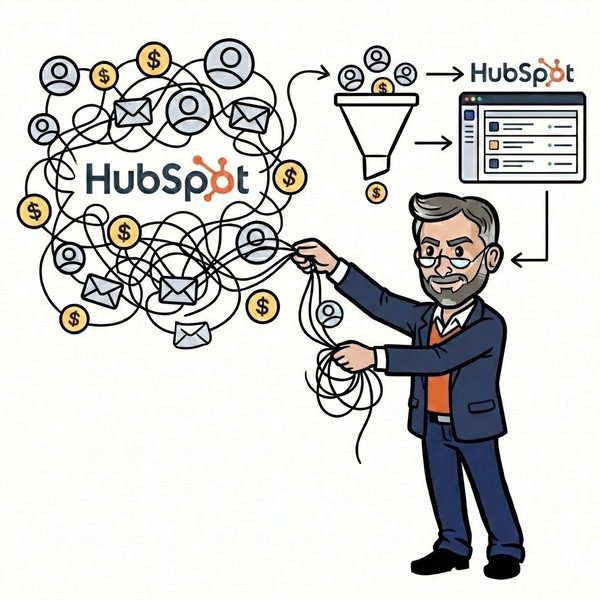
Gathering qualitative feedback from trainees and team leaders is also important. Understand their perception of how the training impacted their daily work, efficiency, and confidence in using HubSpot. This provides valuable context alongside the quantitative data.
Presenting results effectively to stakeholders and leadership is crucial for justifying ongoing professional development initiatives and securing future training budgets. Use clear data visualizations showing KPI trends and highlight success stories or hypothetical scenarios (grounded in real improvements) that illustrate the practical impact.
Industry data consistently shows a positive correlation between software training and team performance. Companies that invest in effective training programs typically see higher user adoption rates, increased productivity, and a greater return on their technology investments compared to those that do not. While specific numbers vary, the principle holds true: skilled users leverage tools more effectively to drive results. Our hypothetical scenarios earlier illustrate this principle – demonstrating potential improvements in metrics like conversion rates or reduced administrative time directly linked to enhanced HubSpot skills.
Cultivating a Culture of Continuous Learning and HubSpot Mastery
Investing in hubspot training cannot be a one-off event. HubSpot is a dynamic platform that evolves constantly (as of April 28, 2025, staying updated is critical to leveraging the latest features). Cultivating a culture of continuous learning is essential for maintaining proficiency and maximizing the platform’s long-term value.
Recognizing that HubSpot training is an ongoing journey sets the expectation for perpetual improvement. Encourage advanced certification and specialized training for key roles as they gain experience. This allows team members to become true subject matter experts in specific areas like advanced automation, reporting, or integration.
Fostering internal knowledge sharing is a powerful way to reinforce learning and build collective intelligence. Encourage teams to hold internal workshops, pair experienced users with newer ones for peer coaching, and create shared documentation outlining best practices and company-specific workflows within HubSpot.
Staying updated with HubSpot’s frequent platform changes and new features is crucial. Regularly checking HubSpot’s product updates blog, subscribing to HubSpot Academy newsletters, and encouraging key team members to explore new training content ensures your team is always leveraging the latest capabilities.
Integrating HubSpot skill development into performance reviews and career pathing reinforces its importance. Recognize and reward employees who pursue certifications and demonstrate mastery of the platform. Make proficiency in relevant HubSpot areas a factor in advancement opportunities.
Finally, building a team of proficient users who can train and support others internally creates a scalable model for ongoing education. Empower your internal champions to lead training sessions, onboard new hires on HubSpot best practices, and serve as go-to resources for their colleagues. This reduces reliance on external resources for basic support and fosters a self-sufficient, high-performing team.
Strategic hubspot training is not merely a checkbox activity; it is a fundamental lever for sales and marketing leaders aiming to significantly boost team efficiency, elevate performance, and effectively leverage the expertise residing within their teams. By making targeted training a priority, you empower your people, optimize your processes, and unlock the full potential of your HubSpot investment, driving measurable growth and competitive advantage.
Explore our resources on optimizing sales and marketing team performance.
Further Reading
- Inside Sales vs. Outside Sales: Choosing the Right Model
- What is ICP? A Guide to Creating Your Ideal Customer Profile
- HubSpot for Startups: An In-Depth Guide
- What is Growth Consulting? A Leader’s Guide to Accelerating Sales & Marketing Performance
- What do Gym Marketing Agencies Do Best? Unlocking Growth for Fitness Businesses